9 Vital Steps to Grow Ponytail Palm Trees
Crushing a handful of dry, gritty substrate reveals the structural requirements of Beaucarnea recurvata. The tactile resistance of the swollen caudex indicates high turgor pressure; this is the primary reservoir for a plant that thrives on neglect. Mastery of the steps to grow ponytail palm trees requires a shift in perspective. You are not cultivating a standard tropical palm but a high-capacity succulent disguised as a tree. Success depends on managing the rhizosphere to prevent anaerobic conditions while maintaining a strict photoperiod of high-intensity light. This species is an exercise in hydraulic management. The thick, corky bark of the base serves as a biological water tank, allowing the specimen to survive prolonged desiccation. If the foliage feels limp or the base loses its rigidity, the cellular integrity is compromised. We begin by establishing a foundation of mineral-heavy soil and intense solar radiation to mimic the arid highlands of eastern Mexico.
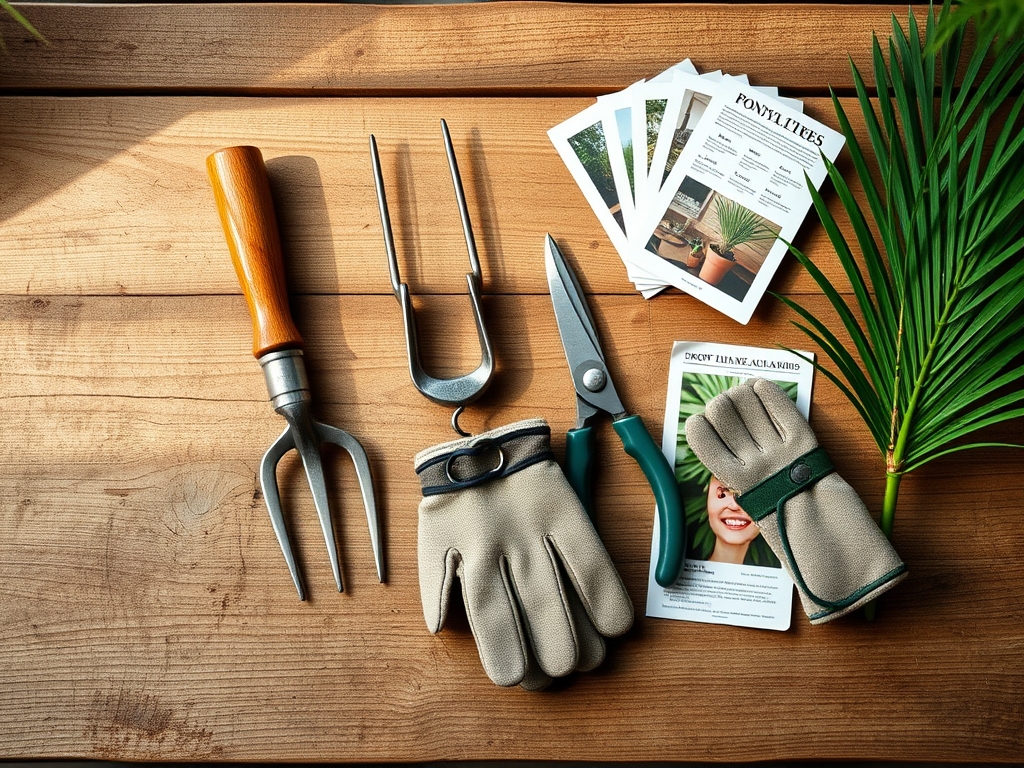
Materials:
The substrate must be a **friable loam** with high porosity to ensure rapid drainage. Aim for a **soil pH between 6.5 and 7.5**. A standard potting mix is insufficient; you must engineer a medium consisting of **2 parts coarse sand, 1 part perlite, and 1 part organic peat**. This composition ensures a low Cation Exchange Capacity (CEC) which prevents the dangerous accumulation of mineral salts.
For fertilization, use a controlled-release formula with an NPK ratio of 10-11-11 or 8-8-8. The goal is balanced growth rather than a nitrogen-heavy surge that weakens the structural integrity of the leaves. Ensure the container has multiple drainage ports. A terracotta vessel is preferred over plastic because the porous clay walls facilitate gas exchange and allow moisture to evaporate from the sides of the root ball.
Timing:
Beaucarnea recurvata is hardy in USDA Zones 9 through 12. In these regions, the biological clock is dictated by the rainy season. For those in cooler climates, the plant must remain indoors once ambient temperatures drop below 50 degrees Fahrenheit (10 degrees Celsius). The transition from the vegetative state to the slow-growth dormant phase occurs as the photoperiod shortens in late autumn.
Planting or repotting should strictly occur in late spring or early summer. This timing aligns with the peak metabolic rate of the plant, allowing the root system to recover from mechanical stress before the growth slows. Avoid any root disturbance during the winter months, as the lack of active transpiration leads to root rot in damp, cool soil.
Phases:
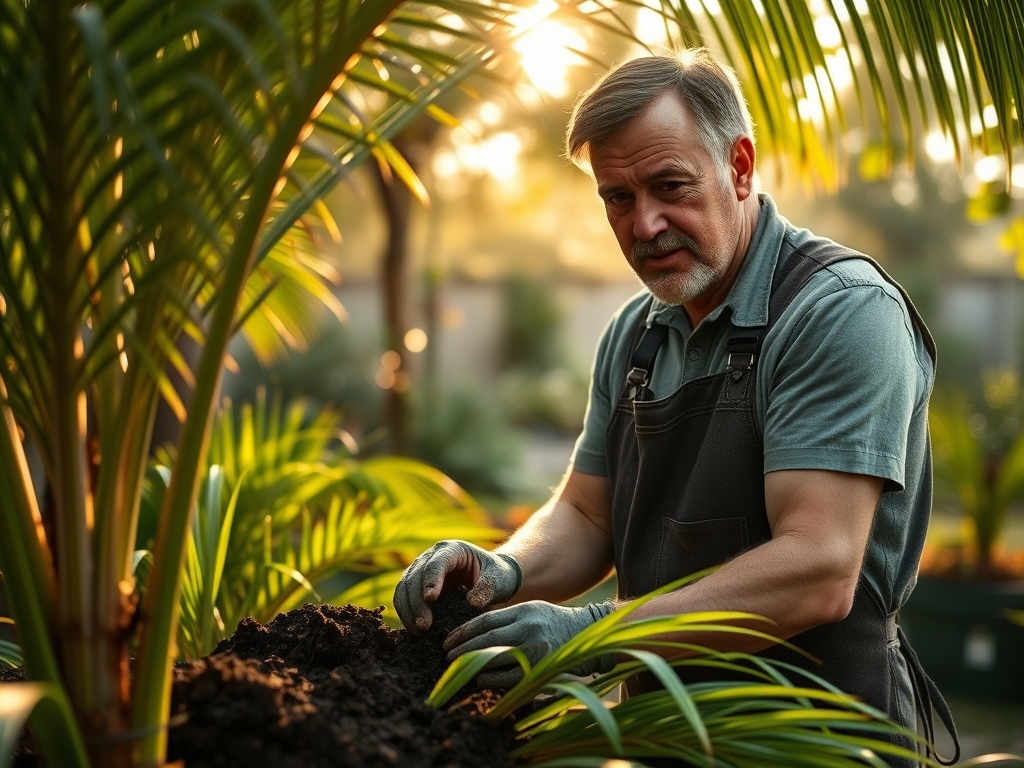
Sowing and Germination
If starting from seed, scarify the seed coat slightly and soak in room-temperature water for 24 hours. Sow in a shallow tray filled with a sterile seed-starting mix. Maintain a consistent temperature of 70 to 75 degrees Fahrenheit. Germination is erratic and may take three weeks to several months.
Pro-Tip: Maintain high humidity during the first 60 days of seedling life to prevent the desiccation of the emerging primary root. This is the only stage where the plant requires consistent moisture; the biological why is that the caudex has not yet developed enough volume to store sufficient water for cellular expansion.
Transplanting and Root Management
When the seedling reaches three inches or when a nursery plant outgrows its pot, move it to a container only one inch wider than the current root mass. Position the base so the "elephant foot" sits entirely above the soil line. Burying the caudex invites fungal pathogens and stem rot.
Pro-Tip: Use a hori-hori knife to gently loosen any circling roots. This mechanical stimulation breaks auxin suppression at the root tips, encouraging lateral branching and a more robust anchoring system.
Establishing and Hardening
Place the plant in a location receiving at least 6 to 8 hours of direct sunlight. If moving a plant from a dim interior to a bright patio, do so incrementally over 14 days to prevent photo-oxidation (sunburn) of the leaves.
Pro-Tip: Rotate the pot 90 degrees every week. This counteracts phototropism, ensuring the trunk grows vertically rather than leaning toward the light source, which maintains the center of gravity over the heavy base.
The Clinic:
Physiological disorders in Beaucarnea recurvata are almost always linked to hydraulic extremes or light deficiency.
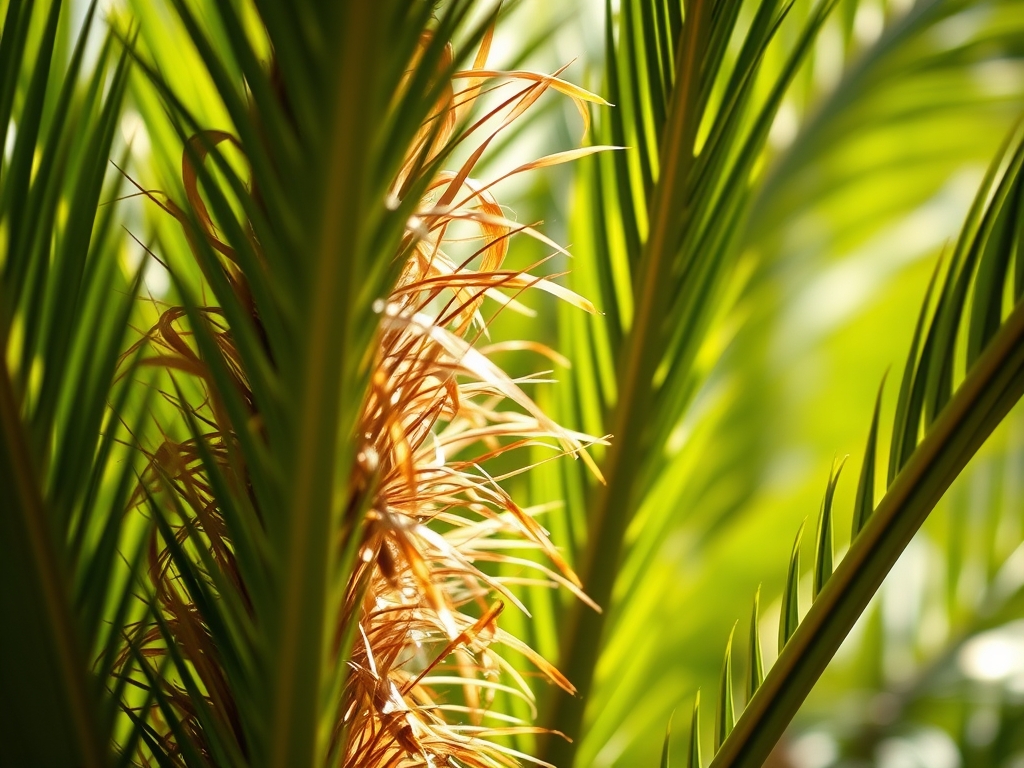
Symptom: Brown, crispy leaf tips.
Solution: This usually indicates a buildup of fluoride or salts from tap water. Flush the soil with distilled water and trim the dead tissue using bypass pruners.
Symptom: Soft, mushy caudex.
Solution: This is the result of root rot (Pythium). Cease all irrigation immediately. If the rot has not reached the center of the stem, repot in 100 percent dry perlite to wick away moisture.
Symptom: Pale, yellowing new growth (Nitrogen Chlorosis).
Fix-It: Apply a water-soluble fertilizer at half-strength. Ensure the soil pH is not too high, as alkaline conditions lock out micronutrients like iron and manganese.
Maintenance:
Precision is required in the irrigation schedule. During the active growing season, provide 1.5 inches of water every two weeks, ensuring the water reaches the drip line of the leaves. Between waterings, the soil must be allowed to dry completely. Use a soil moisture meter to verify that the bottom third of the pot is dry before reintroducing water.
Pruning is rarely necessary except for the removal of lower leaves as they undergo senescence. Use sterilized bypass pruners to cut away spent foliage. Never "top" the tree by cutting off the growing point; this destroys the apical meristem and will permanently stunt the plant or cause it to sprout multiple, unsightly heads.
The Yield:
While not an edible crop, the "yield" of a ponytail palm is its structural stature and the eventual production of flower spikes on mature specimens (usually 10 years or older). The inflorescence is a large panicle of small, cream-colored flowers. Once the flowering cycle concludes, the stalk should be removed at the base with a sharp blade to redirect energy back to the vegetative growth of the caudex.
FAQ:
How often should I water my ponytail palm?
Water only when the soil is completely dry from top to bottom. In most indoor environments, this occurs every 3 to 4 weeks. Use a moisture meter to confirm the absence of water in the lower root zone.
Why are the leaves on my palm turning yellow?
Yellowing is typically a sign of overwatering or poor drainage. If the soil stays damp for more than five days, the roots cannot breathe. Check for root rot and ensure the pot has adequate drainage holes.
Does a ponytail palm need direct sunlight?
Yes, for optimal growth, it requires high-intensity light. While it can survive in lower light, the trunk will not thicken and the leaves will become spindly. Aim for a south-facing window or full outdoor sun.
How fast do ponytail palms grow?
They are extremely slow-growing specimens. Expect only a few inches of vertical growth per year. The focus of the plant is expanding the diameter of the caudex rather than increasing height rapidly.
Should I mist the leaves of my ponytail palm?
No. Misting is unnecessary and can promote fungal leaf spot. This plant is adapted to arid environments with low humidity. Focus on soil moisture levels rather than atmospheric humidity for the health of the foliage.