5 Easy Ways How to Care for Areca Palms
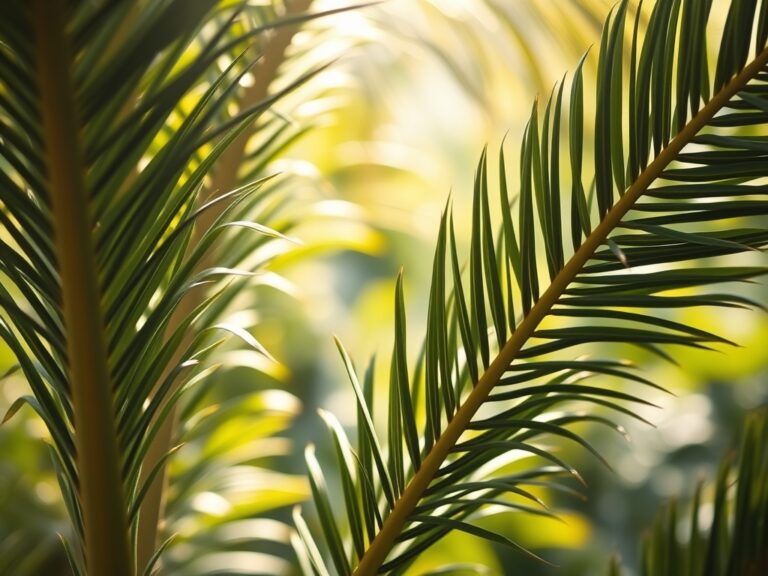
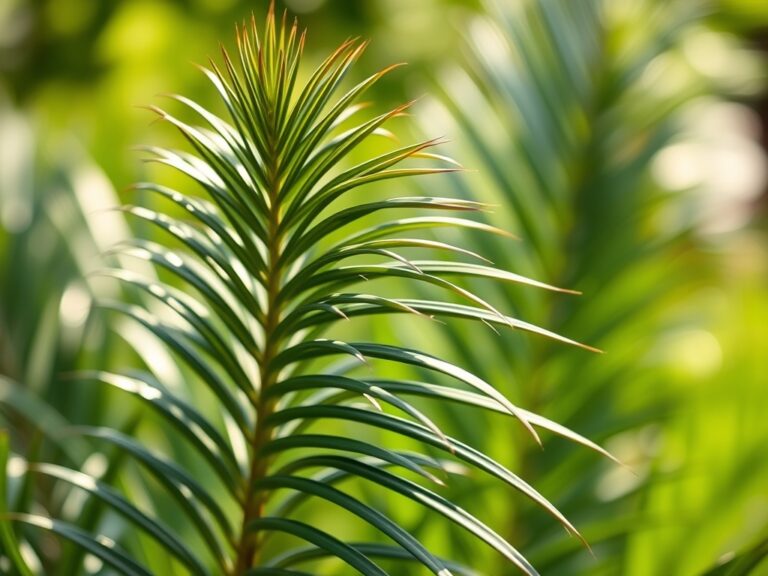
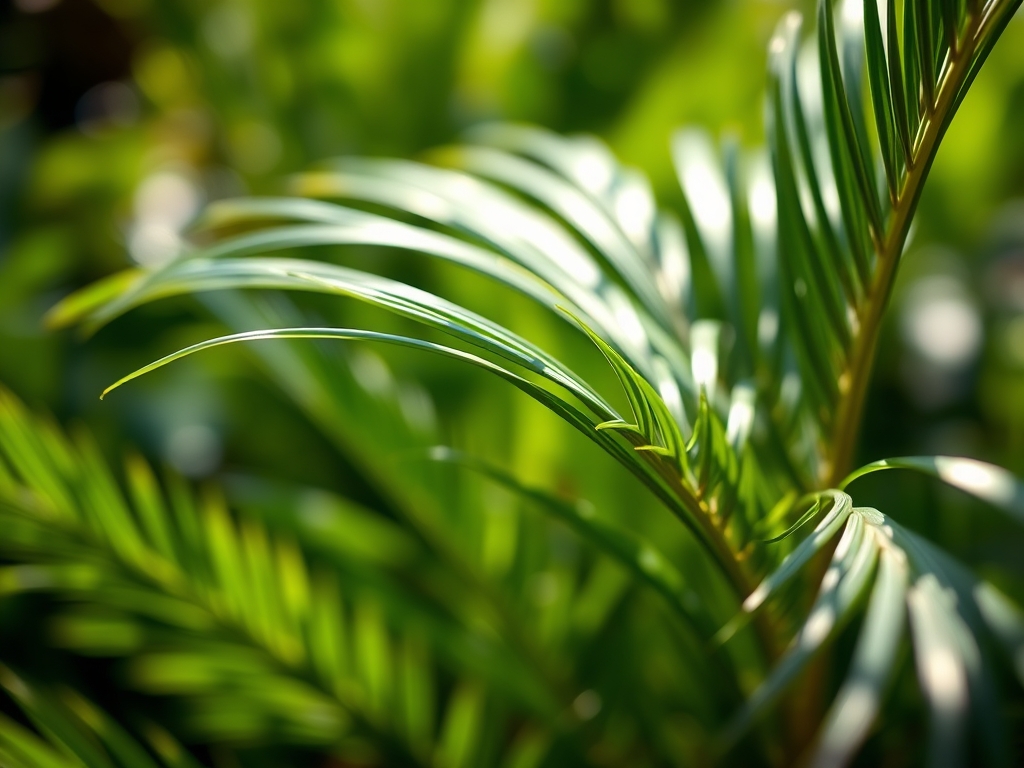
Healthy Dypsis lutescens specimens exhibit a distinct rigidity known as turgor pressure; their pinnate fronds should feel firm and resist bending. When you crush a fallen leaf, the scent of damp earth and cellulose should dominate the air. Learning how to care for areca palms requires an understanding of their tropical origins in Madagascar. These plants demand high humidity and specific soil chemistry to maintain their structural integrity and prevent leaf tip necrosis.
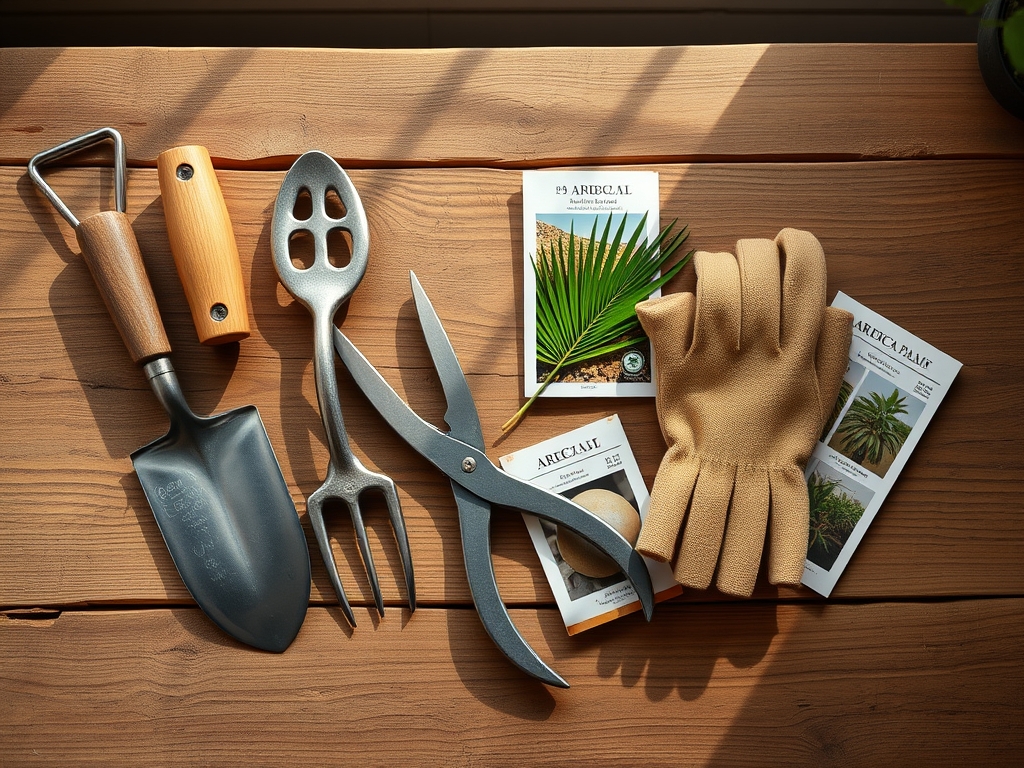
Materials:
Successful cultivation begins with a substrate that balances drainage and nutrient retention. You must use a **friable loam** consisting of two parts peat moss, one part pine bark, and one part coarse perlite. This mixture ensures a high **Cation Exchange Capacity (CEC)**, allowing the roots to access essential minerals efficiently.
Target a soil pH between 6.0 and 6.5. If the pH climbs above 7.0, micronutrients like iron and manganese become chemically locked, leading to interveinal chlorosis. For fertilization, select a slow-release granular product with an NPK ratio of 8-2-12. This high potassium content is vital for palm health; it supports cellular water regulation and disease resistance. Avoid standard lawn fertilizers which often contain too much nitrogen for these slow-growing monocots.
Timing:
Areca palms are strictly tropical and thrive in USDA Hardiness Zones 10 and 11. They cannot tolerate temperatures below 50 degrees Fahrenheit without experiencing metabolic slowdown. If you live in a cooler zone, transition the plant indoors before the first frost date.
The biological clock of the Areca palm is driven by the photoperiod. During the spring and summer months, the plant enters its peak vegetative stage, producing new spears from the center of the clump. As light levels decrease in autumn, the palm enters a semi-dormant phase. During this period, reduce irrigation and halt fertilization to prevent the accumulation of salts in the rhizosphere.
Phases:
Sowing and Propagation
Most growers propagate Areca palms via division or seeds. Seeds must be fresh; old seeds have a significantly lower germination rate. Soak seeds in warm water for 24 hours to soften the endocarp before planting them in a sterile seed-starting mix at 80 to 85 degrees Fahrenheit.
Pro-Tip: Maintain high soil temperatures during germination to stimulate auxin production. These hormones are essential for initial root elongation and the establishment of the primary radicle.
Transplanting
When the palm becomes root-bound, the turgor pressure may drop as the roots struggle to absorb sufficient water. Select a container that is only 2 inches wider than the current root ball. Areca palms prefer a slightly cramped root environment. When moving the plant, do not bury the crown deeper than its original level.
Pro-Tip: Inoculate the new substrate with mycorrhizal fungi. This symbiotic relationship extends the reach of the root system, increasing the surface area for phosphorus uptake and water absorption.
Establishing
Once transplanted, place the palm in a location with bright, filtered light. Direct midday sun will cause solarization, destroying the chlorophyll and leaving white or brown scorched patches on the fronds.
Pro-Tip: Use a soil moisture meter to monitor the root zone. Consistent moisture levels prevent osmotic shock, which occurs when the plant is forced to rapidly adjust to fluctuating water availability in the substrate.
The Clinic:
Physiological disorders in Areca palms are often the result of environmental stressors or nutrient imbalances.
- Symptom: Brown Leaf Tips. This is usually caused by fluoride or boron toxicity in tap water.
- Solution: Use distilled water or rainwater. Flush the soil with three times the volume of the pot to leach out accumulated salts.
- Symptom: Yellowing Fronds (Chlorosis). This indicates a nitrogen or magnesium deficiency.
- Solution: Apply a supplemental dose of magnesium sulfate (Epsom salts) at a rate of one tablespoon per gallon of water to restore green pigment.
- Symptom: Pink Rot (Gliocladium). This fungal pathogen attacks the base of the stems in overly wet conditions.
- Solution: Increase airflow and reduce irrigation frequency. Remove infected canes using a sterilized hori-hori knife.
Maintenance:
Precision is the hallmark of professional palm care. Provide 1.5 inches of water per week during the growing season. Apply water directly to the soil surface; do not wet the crown, as standing water can lead to bacterial rot.
Pruning should be minimal. Use sharp bypass pruners to remove only completely brown fronds. Do not remove yellowing leaves prematurely; the plant is often reallocating mobile nutrients like potassium from the old growth to the new spears.
Check the undersides of leaves monthly for spider mites or mealybugs. These pests thrive in dry indoor air. Increasing the local humidity to above 50 percent creates a physical environment that is less conducive to pest reproduction.
The Yield:
While Areca palms are primarily ornamental, their "yield" is measured in air purification and biomass. To maintain the aesthetic quality of the foliage, wipe the fronds with a damp cloth every two weeks. This removes dust that can clog the stomata and interfere with gas exchange. If you are thinning a large clump, the removed canes can be composted, provided they are free of fungal pathogens.
FAQ:
How much light do Areca palms need?
Areca palms require bright, indirect sunlight. They thrive near south or west facing windows with sheer curtains. Direct sun exposure for more than two hours will cause leaf scorch and permanent damage to the photosynthetic tissue.
How often should I water my Areca palm?
Water when the top 1 to 2 inches of soil feels dry. This typically occurs every 7 to 10 days depending on humidity. Use a soil moisture meter to ensure the root ball remains consistently damp but never waterlogged.
Why are the bottom leaves of my palm turning brown?
This is often a natural process called senescence. The plant redirects nutrients to new growth. However, if multiple leaves brown simultaneously, check for underwatering or a buildup of salts in the rhizosphere from hard tap water.
What is the best fertilizer for Areca palms?
Use a specialized palm fertilizer with an NPK ratio of 8-2-12. It must contain micronutrients like manganese and iron. Apply granular formulas three times per year during the spring and summer to support vigorous frond development.
Can Areca palms grow in low light?
They can survive in low light, but growth will stagnate and the plant will lose its structural density. Low light reduces the rate of photosynthesis, leading to weak, spindly fronds that lack the necessary turgor pressure to stand upright.