6 Simple Steps to Grow Dragon Trees Indoors
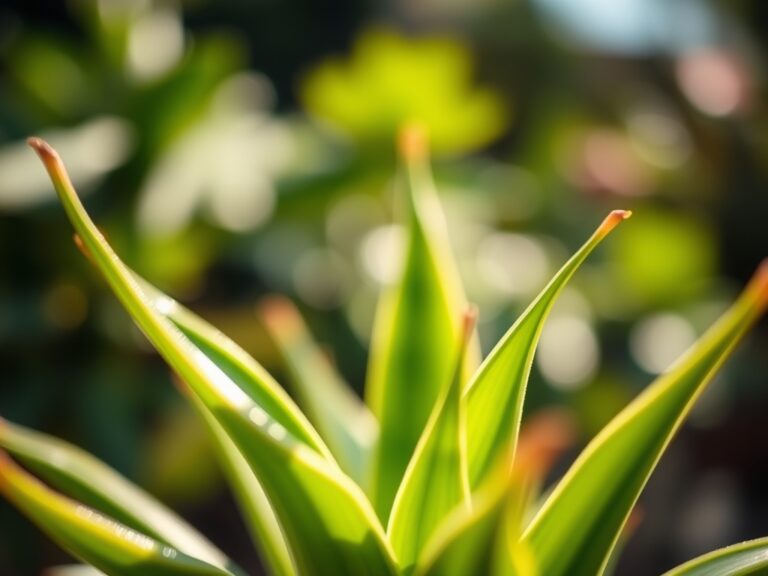
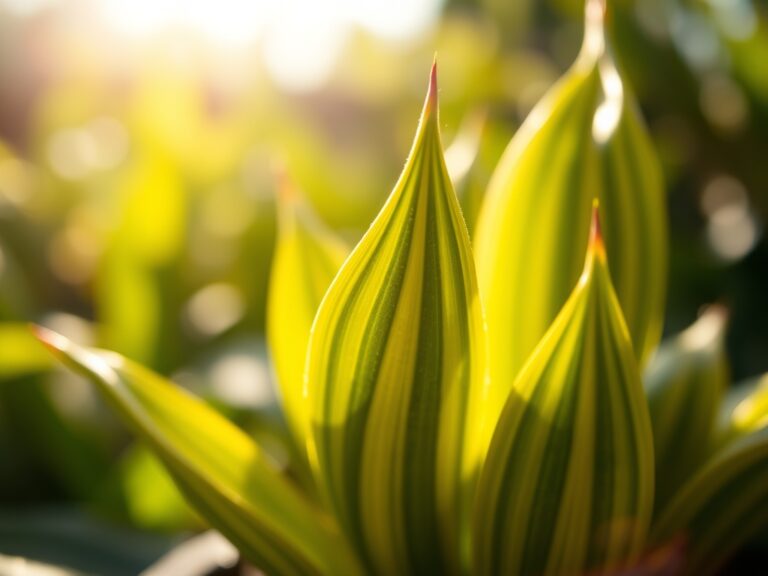
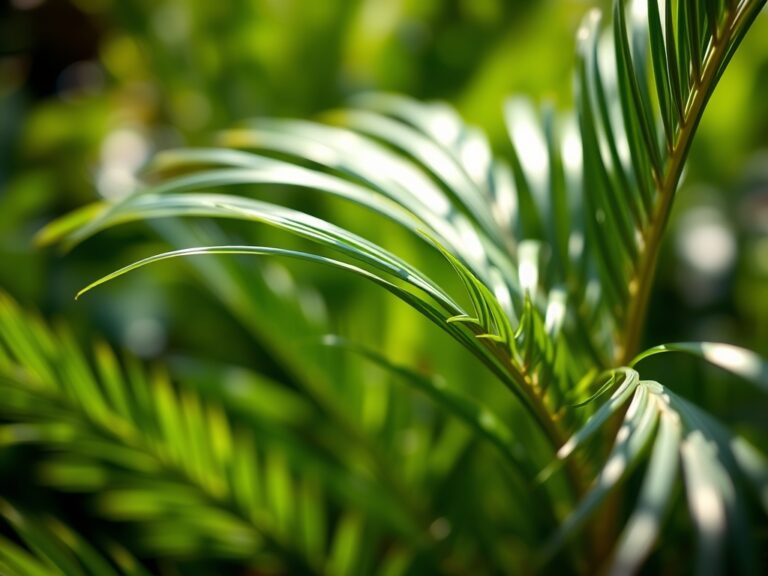
Turgor pressure within the xylem of a Dracaena marginata determines the structural integrity of its sword-like foliage. When the cellular walls are fully hydrated, the leaves stand rigid; a slight softening indicates a drop in osmotic potential. Success in these steps to grow dragon trees indoors requires a clinical understanding of tropical physiology. You are managing a woody monocot that thrives on atmospheric stability and precise substrate drainage. This is not a passive decorative element but a biological entity requiring specific environmental parameters to maintain its metabolic rate.
Materials:
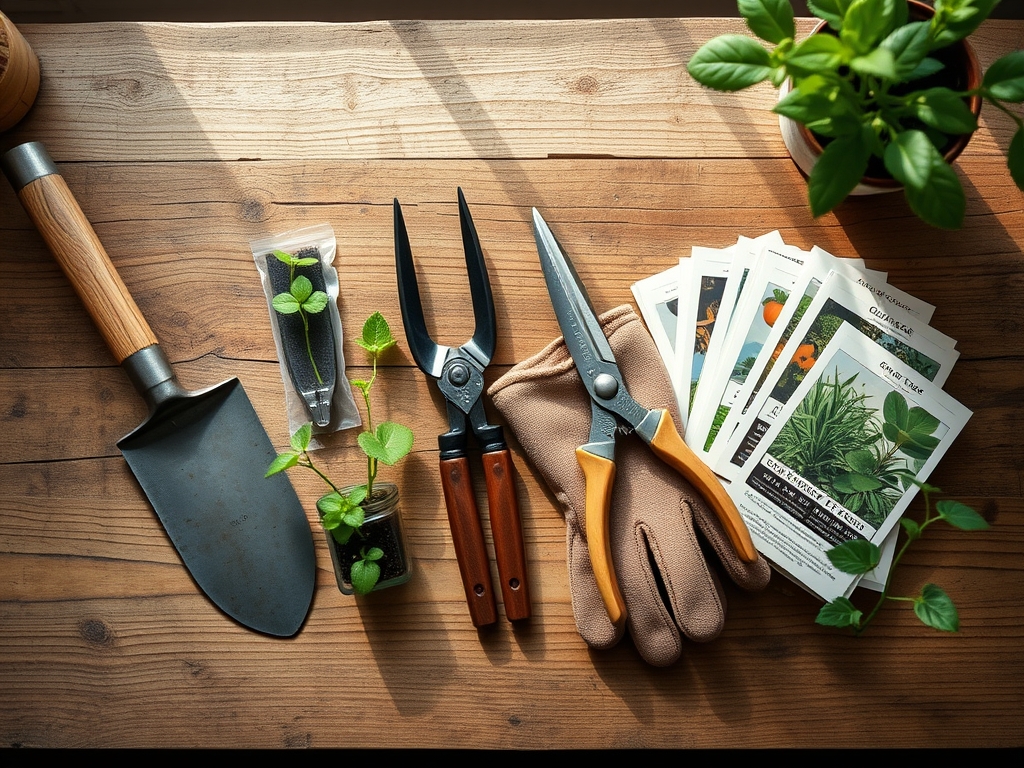
The ideal substrate is a friable loam characterized by high porosity and a Cation Exchange Capacity (CEC) that allows for efficient nutrient uptake. You must avoid heavy clays that suffocate the rhizosphere. Prepare a medium with a pH between 6.0 and 6.5.
- Substrate Composition: 40 percent peat moss or coco coir; 30 percent coarse perlite; 30 percent pine bark fines.
- Nutrient Profile: Use a controlled-release fertilizer with an NPK ratio of 3-1-2. High nitrogen levels are essential for foliar development; however, Dracaena are sensitive to fluoride and boron.
- Container: A heavy ceramic or terracotta pot with a minimum of three drainage holes. Terracotta facilitates gas exchange through the sidewalls; this prevents anaerobic conditions.
Timing:
Dracaena marginata is hardy in USDA Zones 10 through 12. Indoors, the biological clock is governed by the photoperiod and ambient temperature rather than frost dates. The vegetative growth phase accelerates when indoor temperatures remain between 70 and 80 degrees Fahrenheit.
Growth slows significantly during the winter solstice when light intensity drops below 1,000 lux. Initiate major repotting or propagation during the spring equinox. This timing aligns with the plant's natural surge in auxin production; it ensures the root system can recover from mechanical stress before the high-transpiration demands of summer.
Phases:

Sowing and Propagation
Dragon trees are rarely grown from seed in a domestic setting due to low germination rates and slow initial growth. Propagation via stem cuttings is the standard. Select a healthy terminal shoot and make a clean cut using a bypass pruner. The cutting should be 4 to 6 inches long.
Pro-Tip: Dip the basal end in an indole-3-butyric acid (IBA) rooting hormone. This synthetic auxin triggers the dedifferentiation of parenchyma cells into root primordia; it accelerates the establishment of a secondary root system.
Transplanting
When the root mass occupies more than 80 percent of the current container volume, transplanting is required. Gently extract the specimen and inspect the roots for circling. Use a hori-hori knife to make vertical scores in the root ball if it has become pot-bound. This mechanical disruption encourages lateral root branching into the new substrate.
Pro-Tip: Ensure the root flare is positioned exactly at the soil surface. Deep planting leads to stem rot because the bark tissues at the base are not adapted for the constant moisture levels found within the rhizosphere.
Establishing
The first 90 days post-transplant are critical for hydraulic integration. Place the tree in a location receiving bright, indirect light (approximately 2,500 to 4,000 lux). Direct solar radiation will cause photo-oxidation; this manifests as bleached patches on the leaf lamina.
Pro-Tip: Avoid moving the plant frequently. Dracaena leaves undergo physiological acclimation to specific light angles. Frequent repositioning forces the plant to expend metabolic energy reorienting its petioles; this reduces the net carbon gain available for new growth.
The Clinic:
Physiological disorders in Dracaena are often mistaken for fungal pathogens. You must differentiate between biotic stress and abiotic mineral imbalances.
- Symptom: Necrotic leaf tips (brown, crispy ends).
- Solution: This is typically caused by fluoride toxicity or low humidity. Switch to distilled water or rainwater. Dracaena cannot metabolize fluoride; it accumulates in the leaf tips until it reaches toxic concentrations that kill the tissue.
- Symptom: Lower leaf senescence (yellowing and dropping of bottom leaves).
- Solution: If the rate is slow, this is natural aging. If rapid, it indicates Nitrogen chlorosis. Apply a water-soluble 20-20-20 fertilizer diluted to half strength to restore the nitrogen gradient.
- Symptom: Soft, blackened stems at the soil line.
- Solution: This is Pythium root rot caused by over-saturation. Immediately cease irrigation and treat the substrate with a copper-based fungicide. In severe cases, take top cuttings to salvage the genetics.
Fix-It for Micronutrients: If new growth appears distorted or pale, check the iron availability. High pH (above 7.0) locks out iron. Lower the pH using a sulfur-based acidifier to ensure the plant can synthesize chlorophyll efficiently.
Maintenance:
Precision irrigation is the cornerstone of Dracaena longevity. Do not water on a calendar schedule. Use a soil moisture meter to verify that the top 2 inches of substrate are dry before applying water. When you irrigate, apply water until it exits the drainage holes to flush out accumulated mineral salts.
Maintain ambient humidity at 40 to 50 percent. While the dragon tree is drought-tolerant, excessively dry air increases the transpiration rate beyond what the roots can supply; this leads to a loss of turgor. Use bypass pruners to remove dead foliage. Make cuts at a 45-degree angle to prevent water from pooling on the wound site. Every six months, wipe the leaf surfaces with a damp cloth to remove dust. Dust accumulation blocks stomata and reduces photosynthetic efficiency by up to 30 percent.
The Yield:
While not an edible crop, the "yield" of a dragon tree is its biomass and air-filtration capacity. To maximize growth, maintain a consistent thermal environment. If the tree reaches the ceiling, perform a "heading cut." Use a sharp saw to remove the top section. Within 4 to 6 weeks, dormant axillary buds below the cut will activate; this results in a multi-headed, bushier specimen. This technique relies on the removal of apical dominance to redistribute growth hormones to the lower nodes.
FAQ:
How much light does a dragon tree need?
Dragon trees require bright, indirect light between 2,500 and 4,000 lux. Direct sun causes leaf scorch. If the plant is in a low-light corner (under 1,000 lux), growth will stall and the leaves will lose their variegation.
Why are the tips of my dragon tree leaves turning brown?
This is usually caused by fluoride or chlorine in tap water. These chemicals accumulate in the leaf tips and cause necrosis. Use distilled water or allow tap water to sit for 24 hours to dissipate chlorine before irrigation.
How often should I water my Dracaena?
Water only when the top 50 to 75 percent of the soil is dry. Use a soil moisture meter to confirm. Over-watering leads to root rot; under-watering causes leaf drooping. Generally, this occurs every 10 to 14 days.
Is my dragon tree toxic to pets?
Yes, Dracaena marginata contains saponins. If ingested by cats or dogs, it can cause vomiting, hypersalivation, and dilated pupils. Place the plant on an elevated stand or in a restricted room to prevent accidental ingestion by domestic animals.
What is the best fertilizer for a dragon tree?
Use a balanced, water-soluble fertilizer with an NPK ratio of 3-1-2 or 10-10-10. Apply at half-strength once a month during the spring and summer. Avoid fertilizing in winter when the plant is in a semi-dormant metabolic state.