10 Pro Tips How to Grow Chinese Money Plants
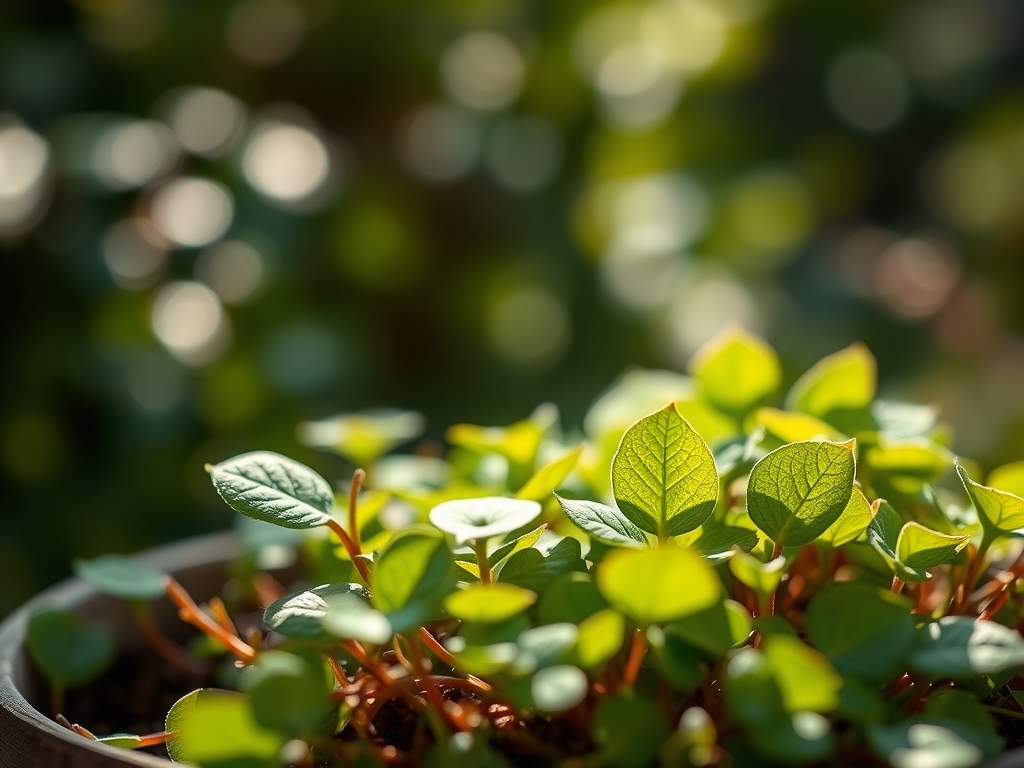
Turgor pressure defines the structural integrity of Pilea peperomioides; a healthy specimen exhibits rigid, peltate leaves that resist bending. When you press your thumb into the substrate, the scent of geosmin and decomposing organic matter should be subtle rather than stagnant. Learning how to grow chinese money plants requires a shift from casual hobbyist to disciplined horticulturist. You must manage the delicate balance between hydraulic conductivity and gas exchange within the rhizosphere. These plants are not merely aesthetic ornaments; they are biological systems that respond to light intensity and mineral availability with mathematical precision. Success depends on maintaining a steady state of environmental variables. If the cellular walls lose their internal pressure, the petioles droop, signaling a failure in the vascular system. To master this species, you must monitor the subtle shifts in leaf angle and petiole strength. This guide provides the technical framework to ensure your Pilea thrives through cellular health and structural stability.
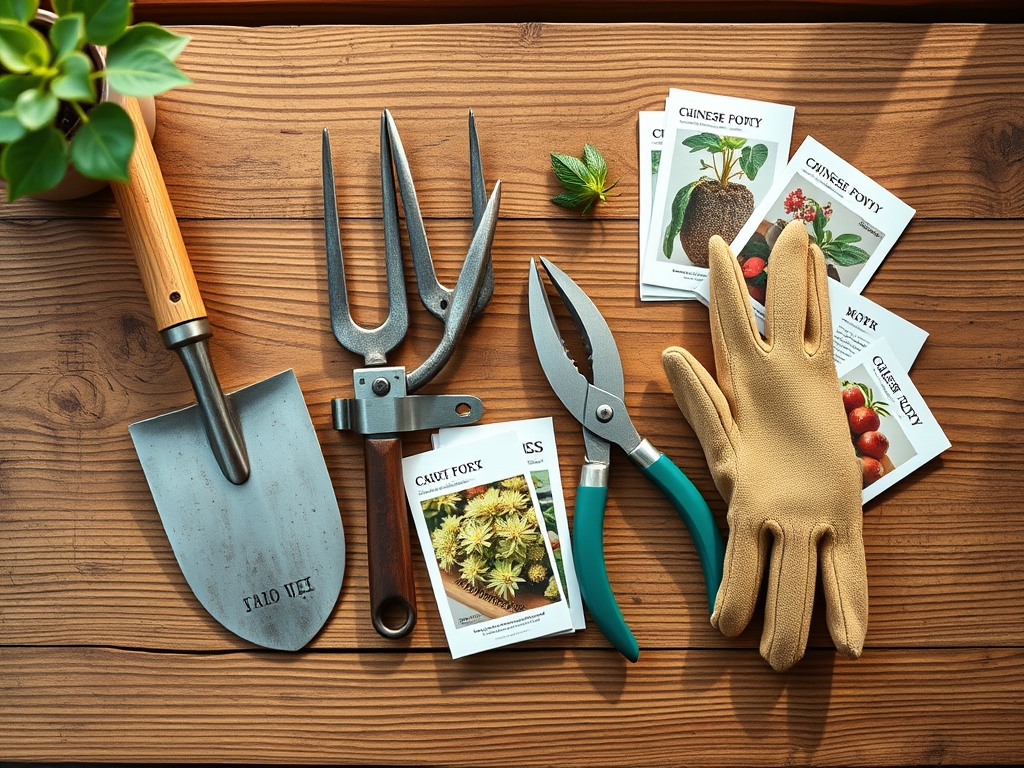
Materials:
The substrate must be a **friable loam** with high porosity to prevent anaerobic conditions. Aim for a **soil pH between 6.0 and 7.0** to ensure optimal nutrient bioavailability. A high Cation Exchange Capacity (CEC) is necessary to hold essential minerals without causing salt buildup.
Use a fertilizer with an NPK ratio of 10-10-10 or 20-20-20 diluted to half strength during the active growing season. The physical texture should consist of 60 percent peat or coco coir, 20 percent perlite for aeration, and 20 percent composted organic matter. Avoid heavy clay soils that collapse and suffocate the root hairs. The container must have a drainage hole to facilitate the leaching of excess salts.
Timing:
Pilea peperomioides is typically grown indoors, but it corresponds to USDA Hardiness Zones 10 through 11. It cannot tolerate temperatures below 50 degrees Fahrenheit (10 degrees Celsius). The biological clock of the plant is dictated by the photoperiod. During the spring and summer, the plant enters its primary vegetative phase, characterized by rapid leaf production and the emergence of offsets.
As the light duration decreases in autumn, the plant enters a period of slower metabolic activity. You should perform propagation and repotting in early spring, just as the plant exits its semi-dormant winter state. This timing aligns with the increase in auxin production, which facilitates faster root development in new cuttings.
Phases:
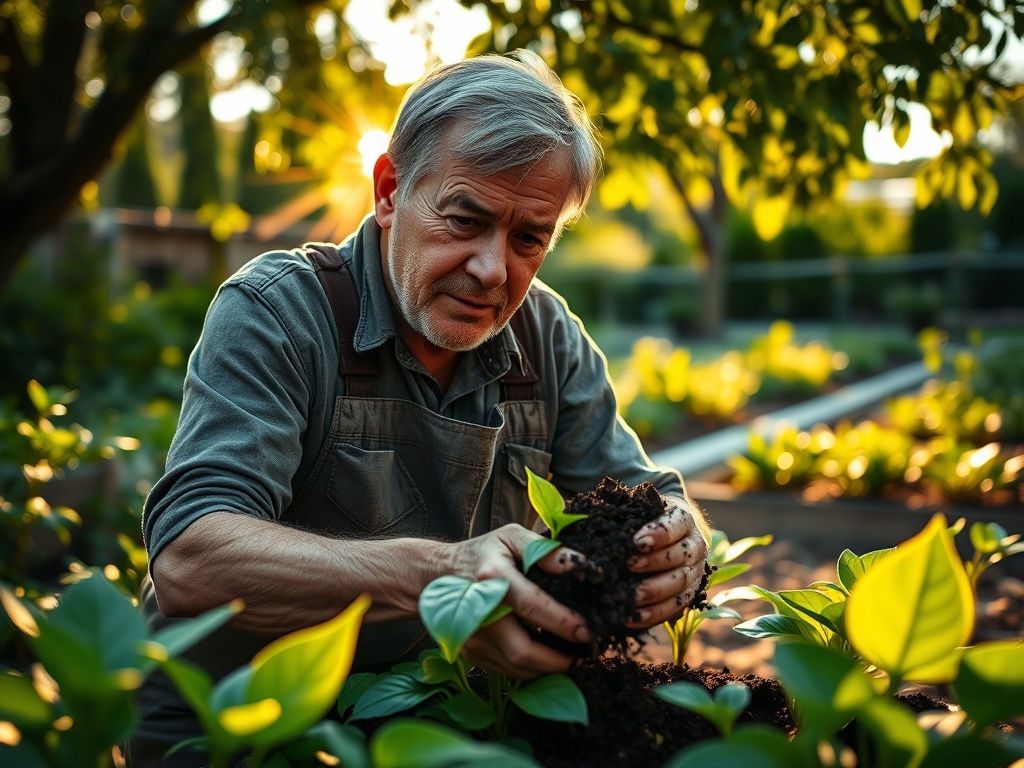
Sowing and Propagation
While seeds are rare, propagation via offsets or "pups" is the standard. Locate an offset that has reached at least 3 inches in height. Use a sterilized blade to sever the connecting rhizome at least 1 inch below the soil surface.
Pro-Tip: Maintain high humidity around the new cutting to reduce the transpiration rate. This is necessary because the severed cutting lacks a mature root system to maintain turgor pressure via the xylem.
Transplanting
Move the offset into a 4-inch starter pot. Ensure the transition occurs quickly to prevent the root hairs from desiccating. The substrate should be pre-moistened to a field capacity where it holds shape when squeezed but does not drip water.
Pro-Tip: Use a rooting hormone containing Indole-3-butyric acid (IBA). This chemical mimics natural auxins, signaling the undifferentiated cells at the cut site to transform into root tissue rather than leaf tissue.
Establishing
The establishment phase lasts approximately 4 to 6 weeks. During this time, the plant focuses on subterranean biomass. Do not fertilize during this window, as the young roots are sensitive to osmotic shock from concentrated salts.
Pro-Tip: Rotate the pot 90 degrees every week. This prevents extreme phototropism, where the plant leans toward the light source due to the elongation of cells on the shaded side of the stem.
The Clinic:
Physiological disorders in Pilea often stem from irrigation errors or light imbalances.
- Symptom: Lower leaves turning yellow (Chlorosis).
- Solution: This is often a sign of Nitrogen deficiency or over-saturation of the soil. If the soil is wet, cease irrigation. If the soil is dry, apply a balanced 10-10-10 fertilizer.
- Symptom: Brown, crispy leaf edges.
- Solution: This indicates low ambient humidity or localized salt burn. Flush the substrate with distilled water to lower the electrical conductivity (EC) of the soil.
- Symptom: Domed or curling leaves.
- Solution: This is a response to insufficient light. The plant increases leaf surface area to capture more photons. Move the plant to a location with 200 to 400 foot-candles of indirect light.
- Symptom: White spots on the underside of leaves.
- Solution: These are often mineral spots caused by guttation. The plant excretes excess minerals through its pores. Use filtered water to reduce mineral intake.
Maintenance:
Precision in maintenance prevents the onset of senescence. Use a soil moisture meter to verify that the top 2 inches of soil are dry before adding water. On average, the plant requires approximately 1.5 inches of water per week, delivered directly to the substrate to avoid wetting the foliage.
Use bypass pruners to remove any necrotic tissue at the base of the stem. If the main stalk becomes leggy, you may perform a "beheading" using a sharp hori-hori knife to encourage lateral branching. Always sterilize tools with 70 percent isopropyl alcohol to prevent the transmission of pathogens. During the winter, reduce watering frequency by 50 percent to account for lower evaporation rates and slower metabolic uptake.
The Yield:
For the Chinese Money Plant, the "yield" is the production of healthy offsets for further propagation. To harvest an offset, wait until it has developed at least four true leaves. Use a small trowel to lift the offset, ensuring you retain a portion of the parent's root system.
Handle the offsets by the root ball rather than the leaves to avoid damaging the delicate petioles. Place the harvested pups in a shaded, humid environment for 48 hours to recover from the mechanical stress of the separation. This ensures the plant remains "day-one" fresh and ready for independent growth.
FAQ:
How often should I water my Chinese Money Plant?
Water when the top 2 inches of substrate are dry. This typically occurs every 7 to 10 days. Use a moisture meter to ensure the root zone is not sitting in standing water, which causes root rot.
Why are the leaves on my Pilea falling off?
Sudden leaf drop is usually caused by temperature shock or extreme moisture fluctuations. Ensure the plant is away from cold drafts and that the soil does not stay bone-dry for extended periods, causing cellular collapse.
Does a Chinese Money Plant need direct sunlight?
No. Direct ultraviolet rays will scorch the leaves, causing permanent tissue damage. Provide bright, indirect light. A north or east-facing window usually provides the necessary 2,000 to 4,000 lux for optimal photosynthesis without burning the plant.
What is the best fertilizer for Pilea?
Use a water-soluble, balanced 10-10-10 NPK fertilizer. Apply at half-strength once a month during the spring and summer. Avoid fertilizing in winter when the plant is dormant and cannot effectively process the added nutrients.