7 Best Pachira Aquatica Tips for Success
Crushing a handful of well-aerated potting media releases the sharp, metallic scent of active microbes and damp humus. A healthy Pachira aquatica exhibits high turgor pressure; its palmate leaves feel like taut leather rather than limp silk. Achieving this structural integrity requires more than casual watering. Success depends on managing the plant's hydraulic conductivity and light absorption. These best pachira aquatica tips focus on the physiological requirements of a species evolved for the wetlands of Central and South America. You must balance high humidity with rapid drainage to prevent cellular collapse.
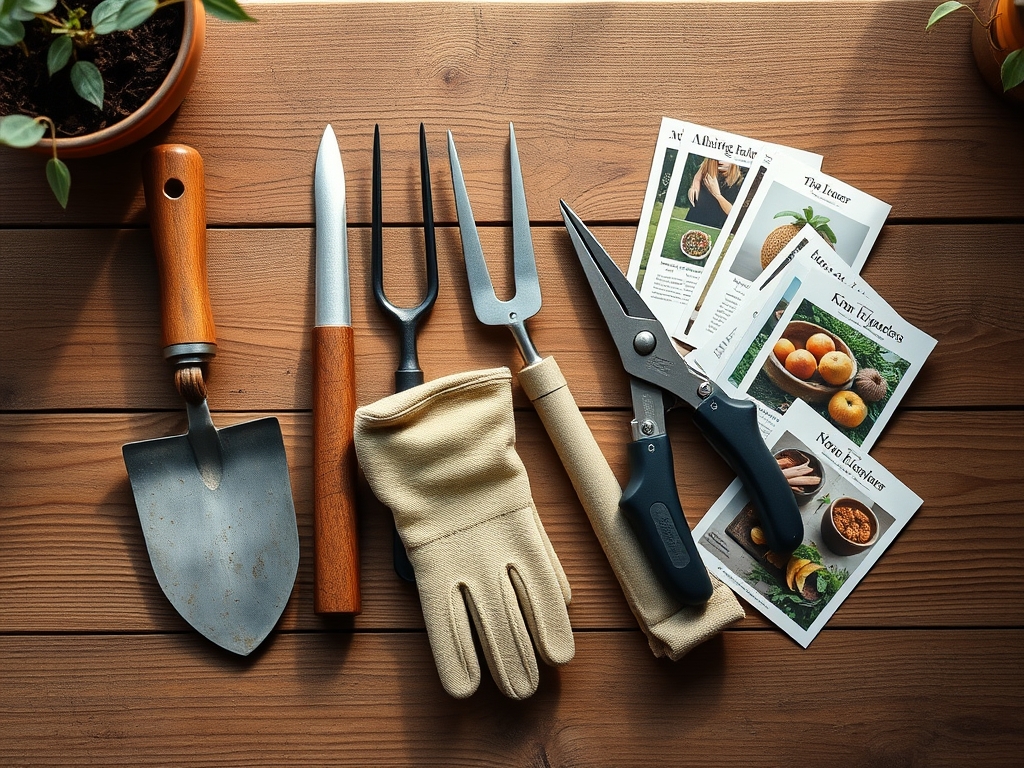
Materials:
The foundation of Pachira health is a substrate with a high Cation Exchange Capacity (CEC) to ensure nutrient availability. Aim for a pH range of 6.0 to 7.0. The physical texture should be a friable loam; a mix of two parts peat or coco coir, one part perlite, and one part coarse river sand provides the necessary macropores for oxygen diffusion to the rhizosphere.
For nutritional support, utilize a fertilizer with an NPK ratio of 10-10-10 or 20-20-20. During the active growing season, dilute this to half-strength to avoid salt accumulation in the soil, which can lead to osmotic stress. Ensure the container has ample drainage holes to prevent the saturation of the lower root zone.
Timing:
Pachira aquatica is hardy in USDA Zones 10 through 12. In these regions, it can remain outdoors year-round. For growers in cooler climates, the biological clock is dictated by the photoperiod. As daylight hours increase in late spring, the plant transitions from a semi-dormant state to vigorous vegetative growth.
Move the plant outdoors only when night temperatures consistently remain above 50 degrees Fahrenheit (10 degrees Celsius). The transition to reproductive stages is rare in indoor environments, but maintaining a consistent temperature between 65 and 85 degrees Fahrenheit ensures the metabolic rate remains optimal for biomass production.
Phases:
Sowing and Propagation
While most hobbyists purchase braided specimens, propagation via stem cuttings is efficient. Select a 6-inch terminal cutting with at least two nodes. Place the cutting in a sterile medium or water.
Pro-Tip: Dip the basal end in an indole-3-butyric acid (IBA) rooting hormone. This mimics the plant's natural auxin production, signaling the undifferentiated cells at the node to begin root morphogenesis rather than leaf production.
Transplanting
Repot every two years to prevent the plant from becoming root-bound, which limits the volume of the rhizosphere. Increase the pot size by only 2 inches in diameter at a time.
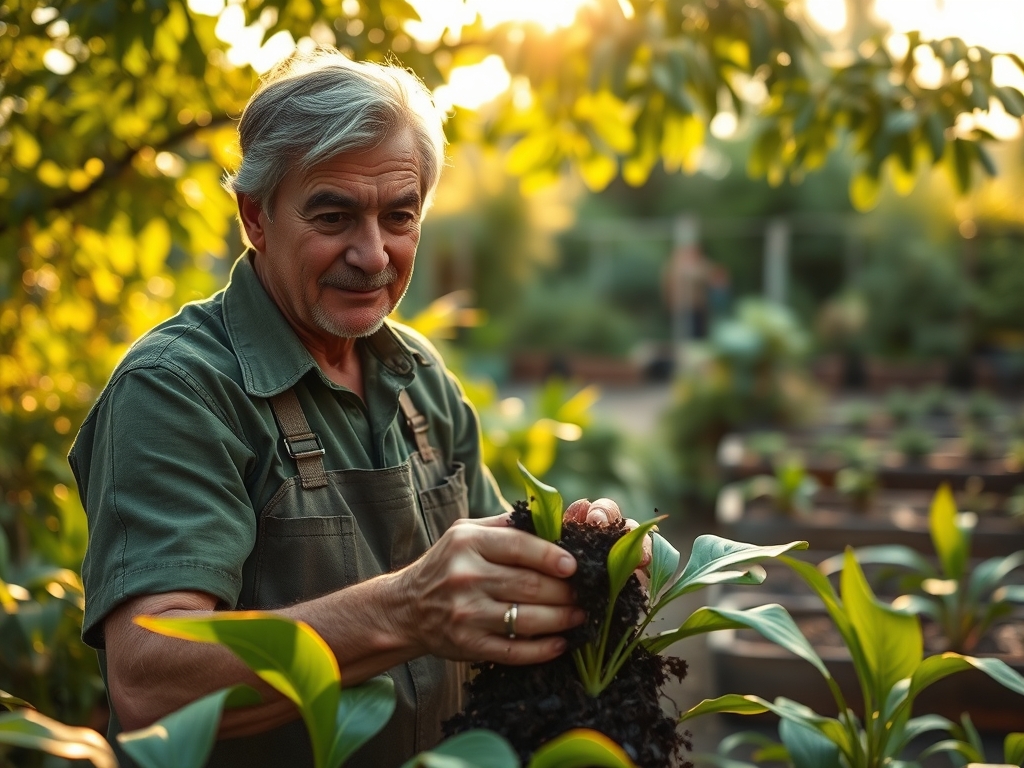
Pro-Tip: When transplanting, lightly tickle the outer roots to break the circular growth pattern. This encourages mycorrhizal symbiosis when fresh soil is introduced, as the fungi colonize the new root tips to enhance phosphorus uptake.
Establishing
Once moved to a new container or location, the plant undergoes a period of acclimation. Limit direct solar radiation for the first 14 days to prevent photoinhibition.
Pro-Tip: Maintain high ambient humidity (above 50 percent) during this phase. High humidity reduces the vapor pressure deficit (VPD), allowing the plant to keep its stomata open for carbon dioxide intake without losing excessive water through transpiration.
The Clinic:
Physiological disorders in Pachira aquatica are usually a response to environmental stressors rather than pathogens.
- Symptom: Interveinal chlorosis (yellowing between leaf veins).
Solution: This typically indicates a Magnesium deficiency or a pH imbalance blocking iron uptake. Apply a chelated iron supplement or a small dose of Epsom salts (magnesium sulfate) to restore chlorophyll synthesis. - Symptom: Leaf Abscission (sudden leaf drop).
Solution: This is a stress response to rapid changes in temperature or light. Stabilize the environment and ensure the plant is not in the path of HVAC vents. - Symptom: Edema (small corky bumps on the underside of leaves).
Solution: This occurs when the roots take up more water than the leaves can transpire. Reduce watering frequency and increase air circulation to lower the hydrostatic pressure within the leaf cells. - Fix-It: Nitrogen Chlorosis: If the oldest leaves turn uniformly pale green or yellow, the plant is scavenging nitrogen for new growth. Apply a high-nitrogen liquid fertilizer (e.g., 3-1-2 ratio) to restore the nitrogen pool.
Maintenance:
Precision is required for long-term vigor. Use a soil moisture meter to ensure the top 2 inches of soil are dry before adding more water. In a standard indoor environment, this usually equates to a deep soak every 7 to 10 days.
Use bypass pruners for all structural cuts. When the plant exceeds its designated space, prune just above a leaf node to stimulate lateral branching. If the braided trunks become constricted, use a hori-hori knife to gently loosen the soil at the base, ensuring the root flare is not buried too deeply, which can lead to stem rot. For dust accumulation, wipe leaves with a damp cloth to ensure maximum light interception for photosynthesis.
The Yield:
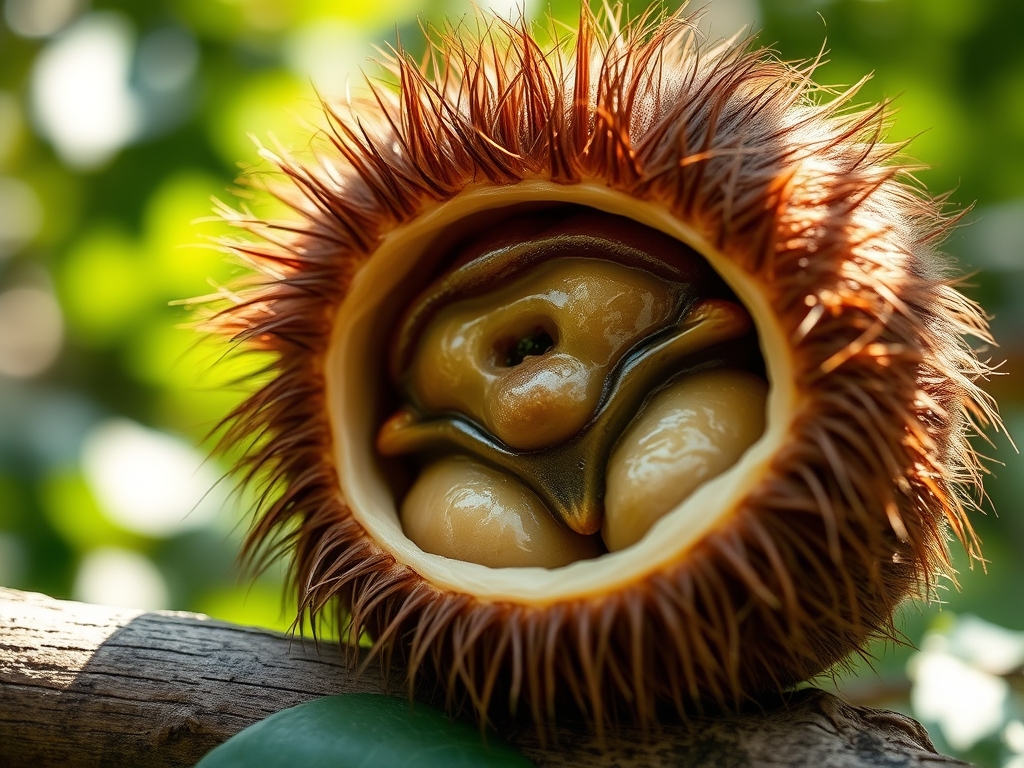
In its native habitat, Pachira aquatica produces large ovoid pods containing edible nuts. While rare indoors, a successful "yield" for the home gardener is the maintenance of the braided trunk and a dense canopy. To maintain this aesthetic, prune the apical meristems regularly to prevent leggy growth.
If your plant does produce fruit, harvest when the pod turns brown and begins to crack. The seeds should be consumed or planted immediately; they are recalcitrant and lose viability quickly if allowed to dry out. For day-one freshness of the foliage, maintain a consistent fertilization schedule through the end of the summer before tapering off for the winter rest period.
FAQ:
How much light does a Pachira aquatica need?
Pachira aquatica thrives in bright, indirect light. Aim for 200 to 400 foot-candles. Avoid direct afternoon sun, which causes leaf scorch and destroys chlorophyll. A north or east-facing window provides the most consistent solar radiation without heat stress.
Why are the tips of my Money Tree leaves turning brown?
Low humidity or excess salt buildup from tap water causes tip necrosis. Maintain humidity above 50 percent and flush the soil with distilled water monthly to leach out accumulated minerals and carbonates that impede water uptake.
How often should I fertilize my Pachira?
Apply a balanced, water-soluble fertilizer every four weeks during the spring and summer. Cease fertilization during the winter months when the plant's metabolic rate slows. Over-fertilizing during dormancy leads to root burn and toxic salt accumulation in the substrate.
Can I grow Pachira aquatica in water permanently?
While cuttings root in water, long-term hydroponic growth is difficult without specialized equipment. The roots require oxygen; stagnant water leads to hypoxia and rot. Transition rooted cuttings to a porous, soil-based medium for long-term structural development and nutrient access.
What is the best way to fix a leaning trunk?
Leaning is usually a result of phototropism, where the plant grows toward the light source. Rotate the pot 90 degrees every week. If the lean is severe, use a bamboo stake and soft horticultural tape to provide mechanical support.