9 Vital Steps to Strelitzia Reginae Care
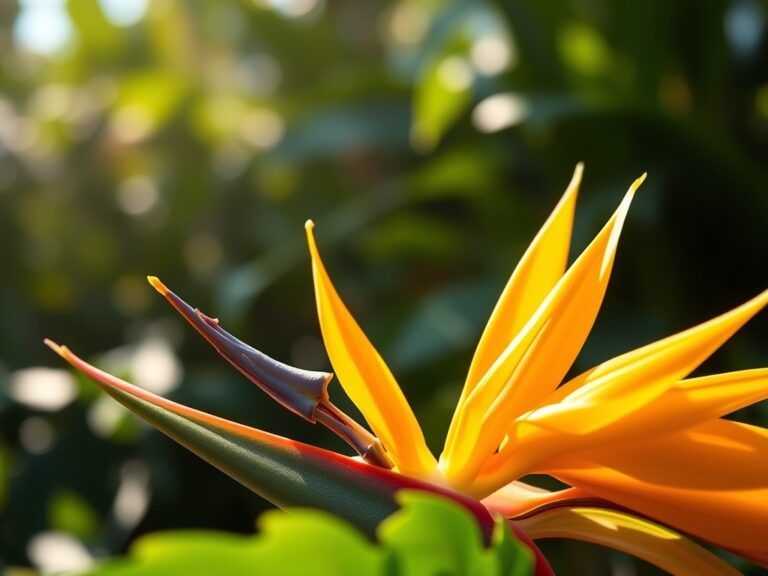
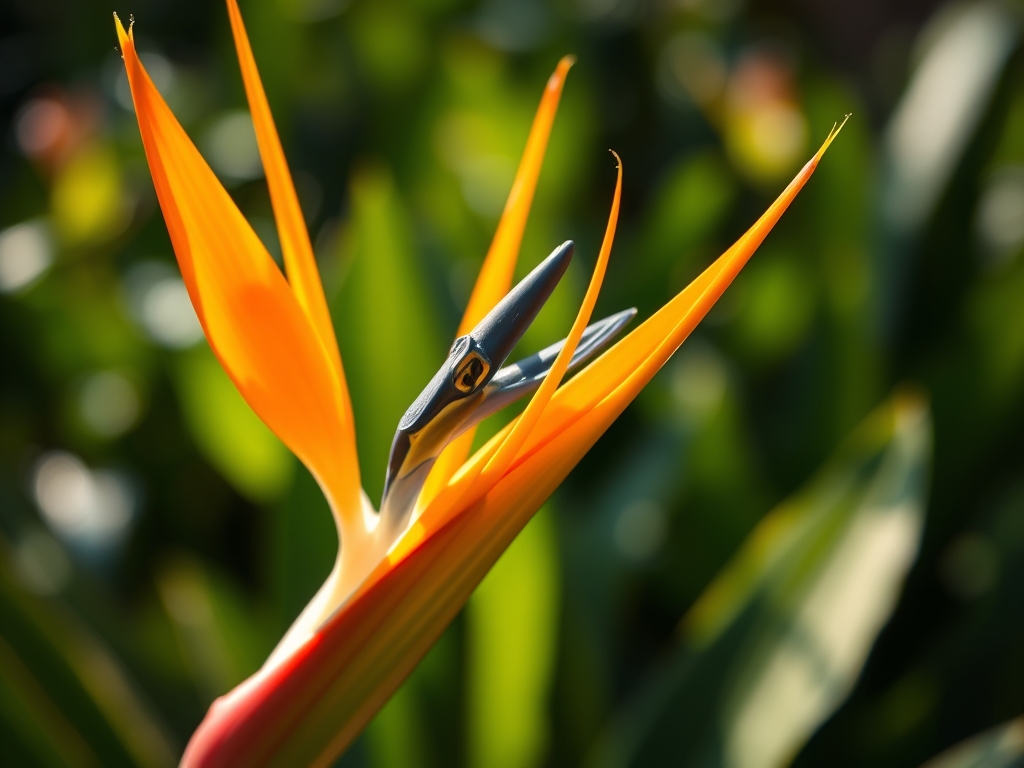
The smell of damp, oxygenated loam and the high turgor pressure of a rigid, waxy leaf signal a thriving specimen. Strelitzia reginae, commonly known as the Bird of Paradise, is a monocotyledonous perennial that demands specific physiological conditions to move from vegetative growth to its iconic floral display. Mastering the steps to strelitzia reginae care requires a focus on soil mechanics and light saturation. This plant is not merely a decorative object; it is a complex biological system that responds to precise environmental inputs. Achieving the characteristic orange and blue crane-like inflorescence depends on the accumulation of thermal units and the maintenance of a robust rhizosphere. Without the correct balance of moisture and mineral availability, the plant may remain in a perpetual state of leaf production without ever reaching reproductive maturity. Success is found in the data of the soil and the intensity of the light.
Materials
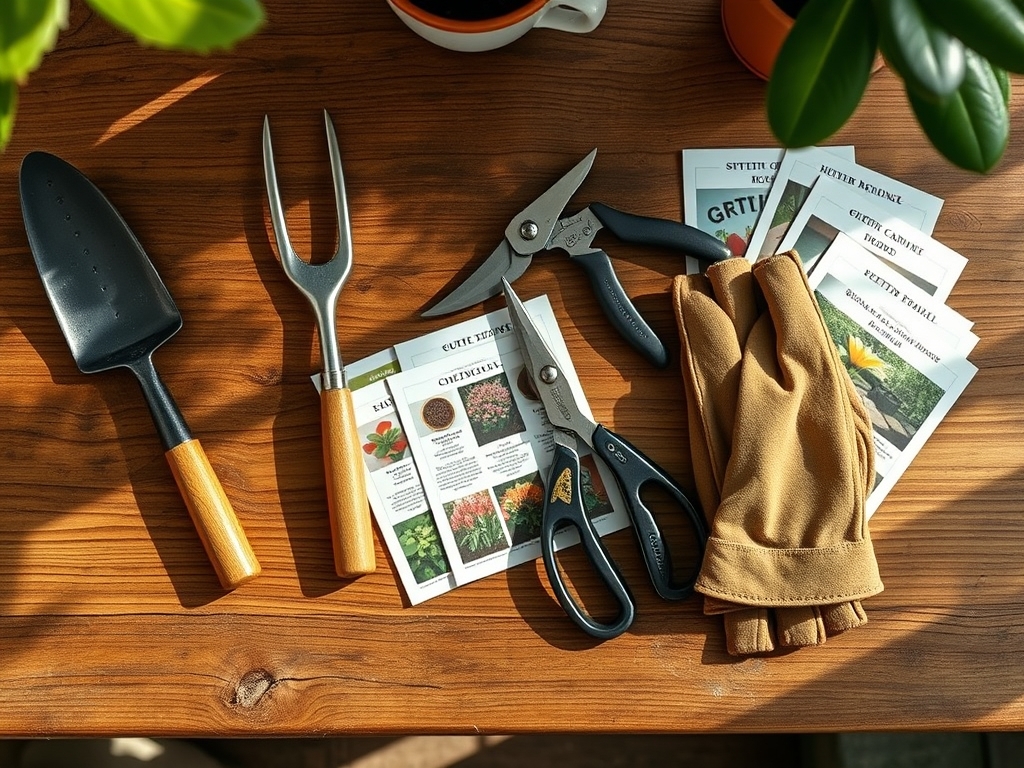
The foundation of health starts with the substrate. Strelitzia reginae requires a pH range of 5.5 to 7.5. The ideal medium is a friable loam that facilitates high Cation Exchange Capacity (CEC), allowing the roots to efficiently uptake metallic ions like potassium and magnesium.
For fertilization, utilize a granular, slow-release formula with an NPK ratio of 10-10-10 or 3-1-2 during the active growing season. High phosphorus levels are necessary during the transition to the reproductive phase to support bud development. Ensure the potting mix contains at least 20 percent perlite or coarse sand to prevent anaerobic conditions. If planting in-ground, incorporate organic matter to improve the soil structure while maintaining a drainage rate of at least one inch of water per hour.
Timing
Strelitzia reginae is hardy in USDA Zones 9 through 12. In these regions, the plant can remain outdoors year-round. In Zone 8, it requires protection or relocation when temperatures drop below 24 degrees Fahrenheit. The biological clock of this species is governed by light intensity and age; a plant typically requires three to five years of growth before it possesses the carbohydrate reserves necessary for flowering.
The primary growth window occurs when ambient temperatures remain between 65 and 80 degrees Fahrenheit. Reproductive initiation usually begins in late autumn as the photoperiod shortens, leading to winter and spring blooms. Avoid transplanting during the peak of summer heat to prevent moisture stress and vascular collapse.
Phases
Sowing and Propagation
Starting from seed requires patience and mechanical intervention. The seeds possess a hard integument (seed coat) that must be scarified. Soak seeds in room-temperature water for 24 to 48 hours before planting. Maintain a consistent substrate temperature of 75 degrees Fahrenheit using a heat mat to encourage germination, which can take one to three months.
Pro-Tip: Scarification breaks physical dormancy by allowing water to penetrate the seed coat, triggering the hormonal shift from abscisic acid to gibberellins, which initiates the metabolic processes of the embryo.
Transplanting
When moving a specimen, ensure the new site or container is only two to three inches wider than the current root ball. Strelitzia reginae often performs better when slightly root-bound, as this stressor can trigger the reproductive phase. Use a hori-hori knife to loosen any circling roots, ensuring they can extend into the new medium.
Pro-Tip: Maintaining a tight root environment limits the space for vegetative expansion, which encourages the plant to allocate energy toward "survival" through seed production, effectively forcing an earlier bloom cycle.
Establishing
Once planted, the first 90 days are critical for root establishment. Provide consistent moisture without saturating the soil. The plant uses its thick, fleshy rhizomes to store water, but young roots are susceptible to desiccation. Monitor the turgor of the leaves; if they begin to curl inward, the plant is transpiring faster than it can uptake water.
Pro-Tip: Mycorrhizal fungi inoculation during this phase improves the surface area of the root system, enhancing the uptake of phosphorus and micronutrients through a symbiotic exchange of carbohydrates for minerals.
The Clinic
Physiological disorders often stem from environmental imbalances rather than pathogens.
Symptom: Leaf Margins Turning Brown and Crispy.
Solution: This usually indicates low humidity or high salt accumulation in the substrate. Flush the soil with three volumes of distilled water to one volume of soil to leach excess salts. Increase ambient humidity to at least 50 percent.
Symptom: Yellowing of Older Leaves (Chlorosis).
Solution: This is a classic sign of Nitrogen deficiency. Nitrogen is a mobile nutrient, so the plant pulls it from older foliage to support new growth. Apply a liquid fertilizer with a high N rating to restore chlorophyll production.
Symptom: Split Leaves.
Solution: This is a natural evolutionary adaptation to allow wind to pass through the large leaf blades without uprooting the plant. If splitting is excessive, move the plant to a location with lower wind velocity.
Symptom: Root Rot (Soft, Black Rhizomes).
Solution: This is caused by overwatering or poor drainage. Remove the plant from the soil, excise the necrotic tissue with sterilized bypass pruners, and repot in a fresh, well-draining medium.
Maintenance
Precision is required for long-term health. Supply 1.5 inches of water per week at the drip line during the summer months. In winter, reduce this by half to accommodate the slower metabolic rate. Use a soil moisture meter to verify that the top two inches of soil are dry before re-irrigating.
Pruning should be done with sharp bypass pruners to remove spent flower stalks and senescent leaves. Cut the stalks as close to the base as possible to prevent fungal pathogens from colonizing the decaying tissue. Every three years, consider top-dressing the soil with two inches of fresh compost to replenish micronutrients and maintain soil structure.
The Yield
While not an edible crop, the "yield" of Strelitzia reginae is its striking inflorescence. For floral arrangements, harvest the flower when the first orange bract emerges from the spathe. Use a sterilized blade to cut the stem at a 45-degree angle.
To maintain "day-one" freshness, place the stems in water immediately. You can manually encourage the remaining petals to emerge by gently inserting a finger into the spathe and lifting them out. Change the water every 48 hours to prevent bacterial growth from clogging the xylem vessels.
FAQ
Why is my Bird of Paradise not blooming?
The most common cause is insufficient light. These plants require at least six hours of direct sunlight daily. Additionally, plants under five years of age often lack the carbohydrate reserves necessary to produce a bloom.
How often should I fertilize?
Apply a balanced fertilizer every four to six weeks during the spring and summer. Cease fertilization during the winter months when the plant enters a period of slower growth to avoid salt buildup in the rhizosphere.
Can I grow Strelitzia reginae indoors?
Yes, provided it is placed near a south-facing window. Indoor plants often suffer from low light and dry air. Use a humidifier to maintain levels above 40 percent to prevent leaf desiccation.
What is the best soil for Bird of Paradise?
A mixture of peat moss, perlite, and pine bark provides the necessary drainage and acidity. The goal is a medium that holds moisture but allows for rapid gas exchange around the root system.
How do I fix curling leaves?
Curling is a defense mechanism against transpiration stress. It reduces the surface area exposed to light and air. Increase watering frequency or move the plant to a cooler location to restore leaf turgor.