5 Best Evergreen Trees for Structure
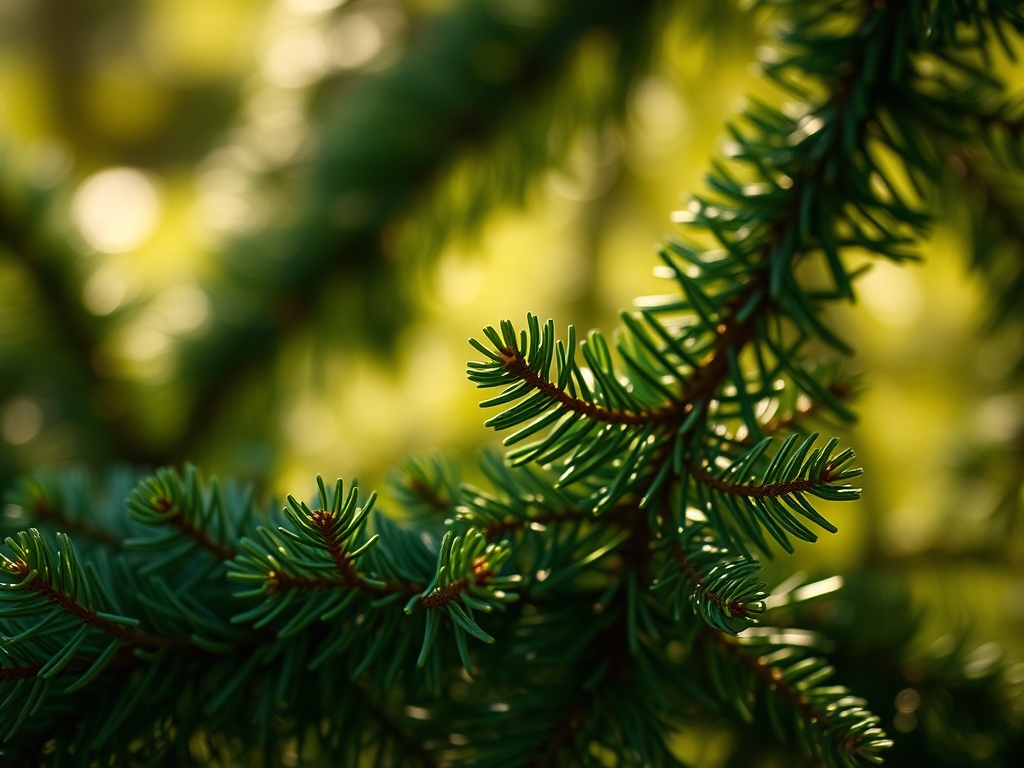
Crushed pine needles release a sharp, resinous scent that signals high terpene concentrations and a healthy metabolic state. When you grasp a needle from a prime specimen, the turgor pressure should be sufficient to resist snapping under moderate tension. This internal hydraulic force is the foundation of architectural integrity in the landscape. Selecting the best evergreen trees for structure requires more than an aesthetic eye; it demands an understanding of lignification and apical dominance. These trees serve as the skeletal framework of the garden, maintaining form through the desiccation of winter and the heat of summer. A structural evergreen must possess a reliable growth habit and a root system capable of deep soil penetration to prevent heaving. Without these living pillars, a garden loses its spatial definition the moment deciduous species enter senescence. We prioritize species with high wood density and predictable branching patterns to ensure the design remains intact for decades.
Materials:
The success of a structural evergreen begins with the Cation Exchange Capacity (CEC) of the soil. You require a friable loam with a granular structure that allows for rapid gas exchange in the rhizosphere. Soil pH should ideally sit between 5.5 and 6.5 for most conifers to ensure the bioavailability of micronutrients like iron and manganese.
Prepare your planting site with a specific nutrient profile based on the species' requirements:
- Taxus baccata (English Yew): Prefers a pH closer to 7.0. Use a balanced 10-10-10 NPK ratio during the establishment phase to support both root elongation and foliar density.
- Cupressus sempervirens (Italian Cypress): Requires excellent drainage. Amend heavy clay with expanded shale to increase macropores. Use a low-nitrogen 5-10-10 fertilizer to prevent leggy growth that compromises wind resistance.
- Thuja occidentalis 'Smaragd' (American Arborvitae): Thrives in moist, well-drained soils. Maintain a high organic matter content (above 5 percent) to buffer against moisture fluctuations.
- Picea abies 'Cupressina' (Columnar Norway Spruce): Needs a slightly acidic environment. Apply an acid-forming 12-6-6 fertilizer in early spring.
- Juniperus virginiana (Eastern Red Cedar): Highly adaptable but performs best in soils with a CEC of 15-25 meq/100g.
Timing:
Most structural evergreens are rated for USDA Hardiness Zones 3 through 9, depending on the specific cultivar. The "Biological Clock" of these trees is governed by the photoperiod and soil temperature. You must install these specimens when the soil temperature is between 45 and 55 degrees Fahrenheit. This allows for root initiation without the metabolic demand of rapid canopy expansion.
The transition from the vegetative stage to the dormant stage occurs as day length decreases. Planting should occur at least six weeks before the first hard frost to allow the root system to establish hydraulic contact with the soil. Avoid planting during the reproductive stage (pollen release) as the tree's energy is diverted away from root development.
Phases:

Sowing and Propagation
While most structural trees are purchased as container-grown or B&B (balled and burlapped) specimens, propagation via semi-hardwood cuttings is standard for clonal consistency. Cuttings should be 4 to 6 inches long and taken in late summer.
Pro-Tip: Dip the basal end in an indole-3-butyric acid (IBA) solution. This exogenous auxin mimics the plant's natural signaling to suppress lateral bud growth and prioritize adventitious root formation.
Transplanting
Excavate a hole three times the width of the root ball but no deeper than the root flare. Setting the tree too deep leads to stem girdling roots and eventual hypoxia. Ensure the soil interface is transitionary; do not fill the hole with pure compost as this creates a "container effect" where roots refuse to penetrate the native soil.
Pro-Tip: Inoculate the planting hole with endomycorrhizal fungi. This symbiotic relationship increases the effective root surface area by up to 1,000 times, enhancing phosphorus uptake and drought tolerance.
Establishing
During the first 24 months, the focus is on structural stability. Stake the tree only if the site is subject to high wind shear, using flexible ties that allow for slight movement. This movement triggers the production of reaction wood, which increases the girth and strength of the trunk.
Pro-Tip: Practice apical dominance management by selectively pruning competing leaders. Removing secondary vertical shoots ensures a single, strong central leader, preventing structural failure during heavy snow loads.
The Clinic:
Physiological disorders often mimic pathogen attacks but are rooted in environmental stress or nutrient imbalances.
- Symptom: Needle Desiccation (Winter Burn). This occurs when the ground is frozen but the sun and wind pull moisture from the needles.
- Solution: Apply an anti-desiccant spray in late autumn to create a physical vapor barrier.
- Symptom: Interveinal Chlorosis (Yellowing). This is often a sign of iron or magnesium deficiency, frequently caused by high soil pH.
- Solution: Apply chelated iron or elemental sulfur to lower the pH and mobilize locked nutrients.
- Symptom: Needle Drop (Interior). If the oldest needles near the trunk turn brown and fall in autumn, this is normal senescence. If it occurs on the tips, it is a sign of water stress.
- Fix-It: Increase irrigation to 2 inches per week during extreme heat and check for soil compaction.
Maintenance:
Precision maintenance is the difference between a ragged hedge and a crisp architectural element. Use a soil moisture meter to verify that the top 8 inches of soil remain consistently moist but not saturated. For established trees, provide 1.5 inches of water per week at the drip line, which is the area directly beneath the outermost circumference of the branches.
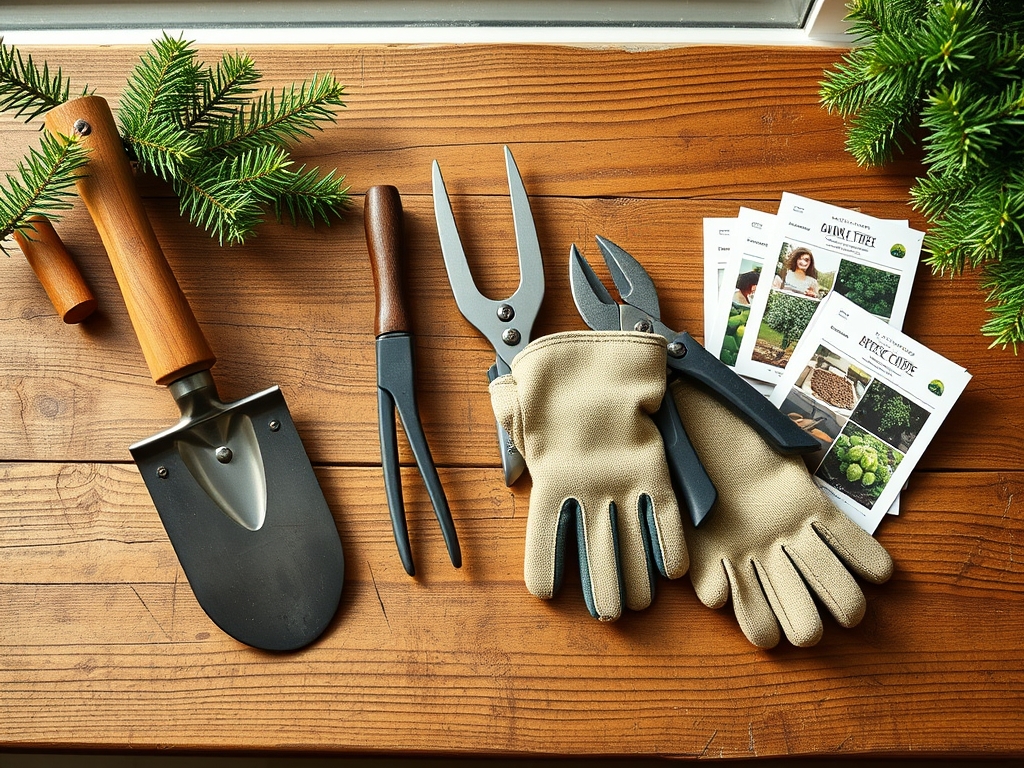
Pruning should be performed with bypass pruners for clean cuts that heal quickly. For larger structural adjustments, use a hori-hori knife to remove circling roots near the surface. Always disinfect tools with 70 percent isopropyl alcohol between trees to prevent the mechanical transmission of pathogens. Mulch with 3 inches of aged arborist chips, keeping the mulch 4 inches away from the trunk to prevent fungal decay of the bark.
The Yield:
While these trees are primarily grown for structure, some species like the Juniperus or Taxus provide secondary yields. Juniper berries are harvested when they turn a deep dusty blue, usually in their second year of development. Taxus, while highly toxic if ingested, provides dense, flexible wood that was historically prized for tool handles. To maintain "day-one" freshness for decorative boughs, submerge the cut ends in cool water immediately and store them in a high-humidity environment at 34 to 38 degrees Fahrenheit.
FAQ:
Which evergreen grows fastest for privacy?
Thuja occidentalis 'Green Giant' is the most efficient choice, capable of growing 3 feet per year under optimal conditions. It requires a minimum of six hours of sunlight and consistent moisture to maintain this accelerated metabolic rate.
How do I prevent my evergreens from turning brown?
Ensure deep hydration before the ground freezes. Use a soil moisture meter to monitor the rhizosphere. Apply a 3-inch layer of mulch to regulate soil temperature and reduce evaporation. Avoid high-nitrogen fertilizers in late fall.
Can I grow structural evergreens in large pots?
Yes, provided the container has a minimum volume of 20 gallons and excellent drainage. Use a potting medium with high perlite content and monitor for root-bound conditions, which can lead to hydraulic failure and stunted growth.
When is the best time to prune evergreens?
Prune in late winter or early spring before the new growth flush begins. This timing allows the tree to direct its spring energy surge toward healing the pruning wounds and initiating new, controlled growth.