5 Easy Ways How to Grow Corn Plant Dracaenas
The scent of damp peat moss and the tactile rigidity of a waxy leaf signify a healthy specimen. Dracaena fragrans thrives when cellular turgor pressure is maintained through consistent moisture and osmotic balance. Mastering how to grow corn plant dracaenas requires understanding their tropical origins in Africa where they endure high humidity and dappled light. These plants are not mere decor; they are biological systems that respond to light intensity and mineral concentrations. A successful grower monitors the leaf margins for signs of salt accumulation or fluoride toxicity. Success begins with the substrate and the environmental parameters of the room. By controlling the rhizosphere and ensuring the plant has access to specific micronutrients, you can maintain a specimen for decades. This guide provides the technical framework to manage these woody monocots through every stage of their development. Precision in watering and light exposure prevents the physiological decline often seen in indoor environments.
Materials:
The ideal substrate for Dracaena fragrans is a **friable loam** with high porosity to ensure oxygen reaches the root zone. A **soil pH between 6.0 and 6.5** is critical; levels outside this range interfere with the bioavailability of iron and manganese. For the primary growing season, utilize a fertilizer with an **NPK ratio of 3-1-2**. This ratio supports the high nitrogen demand for foliage production while providing sufficient potassium for cellular wall strength.
The physical mix should consist of 40 percent peat moss, 30 percent perlite, and 30 percent pine bark. This combination ensures a high Cation Exchange Capacity (CEC), allowing the soil to retain essential nutrients like calcium and magnesium. Avoid mixes containing high concentrations of perlite if your local water supply is fluoridated, as fluoride accumulates in the leaf tips. Use distilled water or rainwater if the municipal supply exceeds 0.5 parts per million (ppm) of fluoride.
Timing:
Dracaena fragrans is suited for USDA Hardiness Zones 10 through 12. In these regions, it can remain outdoors year-round. In all other zones, it must be treated as an indoor specimen when temperatures drop below 55 degrees Fahrenheit. The biological clock of the corn plant is governed by the photoperiod. While it does not require a specific dormancy period, its growth rate slows significantly when daylight falls below 10 hours per day.
The transition from the vegetative stage to the reproductive stage (flowering) is rare indoors. It typically occurs in mature plants over 6 feet tall when exposed to a consistent drop in nighttime temperatures combined with high light intensity. If you intend to propagate or repot, the optimal window is late spring or early summer. This aligns with the plant's peak metabolic activity, allowing for faster root recovery and auxin distribution.
Phases:
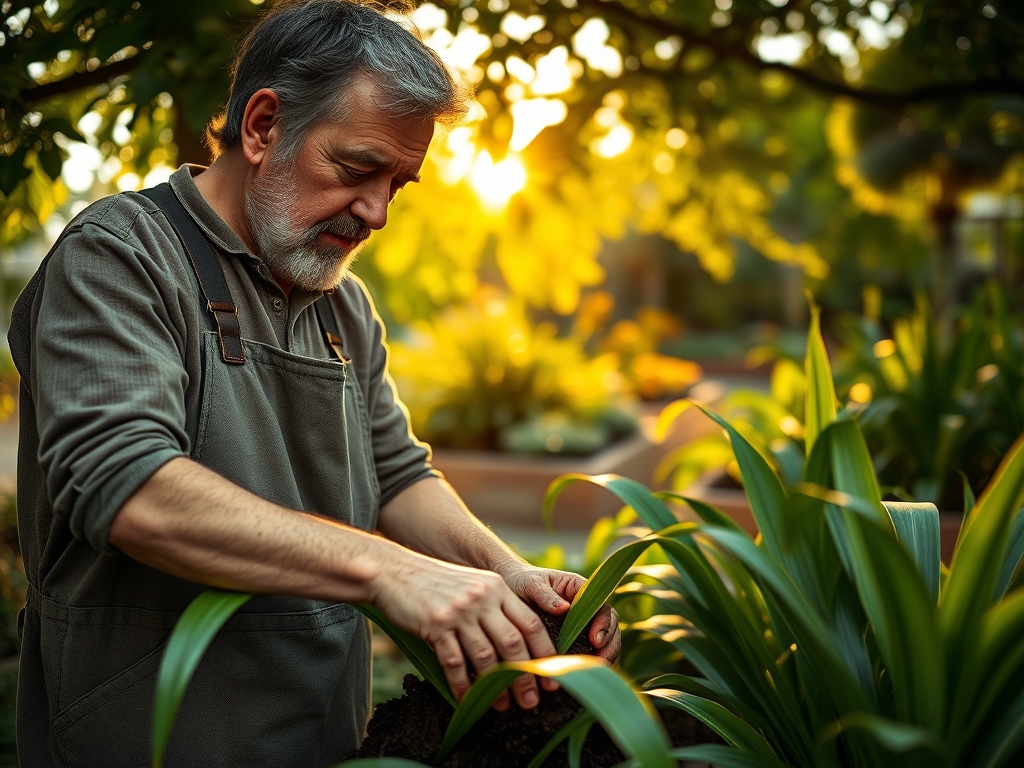
Sowing and Propagation
Most corn plants are grown from cane cuttings rather than seeds. Select a healthy cane and cut a section at least 3 inches long. Ensure the cutting includes at least one latent bud (node). Place the cane in a medium of moist sand or a hydro-culture setup. Maintain a consistent temperature of 75 to 80 degrees Fahrenheit to stimulate root initiation.
Pro-Tip: Use a rooting hormone containing Indole-3-butyric acid (IBA). This synthetic auxin triggers the differentiation of undifferentiated parenchyma cells into root tissue, bypassing the plant's natural apical dominance.
Transplanting
When roots reach 2 inches in length, move the specimen to its permanent container. Select a pot only 2 inches wider than the root ball. Excessive soil volume leads to "perched water tables," where the bottom of the pot remains saturated, depriving the roots of oxygen. Place the cane at the same depth it was previously growing to prevent stem rot.
Pro-Tip: Incorporate endomycorrhizal fungi into the planting hole. This symbiotic relationship expands the root's surface area, enhancing the uptake of phosphorus and water through a network of hyphae.
Establishing
During the first 60 days post-transplant, keep the plant in bright, indirect light. Avoid direct midday sun, which can cause solarization of the chlorophyll. The goal is to establish a robust root system before the plant focuses on vertical growth. Monitor the new growth for consistent color and texture.
Pro-Tip: Rotate the pot 90 degrees every week. This counteracts phototropism, the tendency of the plant to grow toward the light source due to the migration of auxins to the shaded side of the stem.
The Clinic:
Physiological disorders often mimic infectious diseases. Accurate diagnosis is essential for recovery.
- Symptom: Soft, brown spots on leaves with a yellow halo.
Solution: This indicates over-saturation and potential root rot. Reduce watering frequency and ensure the pot has drainage holes. Apply a copper-based fungicide if the spots persist. - Symptom: Dry, brittle leaf tips (Tip Burn).
Solution: This is usually caused by fluoride toxicity or low humidity. Flush the soil with three volumes of distilled water to leach accumulated salts. Maintain humidity above 40 percent. - Symptom: Yellowing of lower leaves (Chlorosis).
Solution: If the veins remain green but the leaf turns yellow, it is likely an iron deficiency. If the entire leaf turns pale, it is a nitrogen deficiency. Apply a chelated micronutrient spray. - Symptom: Sudden leaf drop.
Solution: This is a response to thermal shock. Ensure the plant is not in the path of air conditioning vents or drafty windows. Maintain a stable temperature range of 65 to 75 degrees Fahrenheit.
Maintenance:
Precision maintenance prevents the onset of senescence. Provide 1.5 inches of water per week during the growing season, applied directly to the soil surface. Use a soil moisture meter to ensure the top 2 inches of soil are dry before re-watering. In winter, reduce this to 0.5 inches every two weeks.
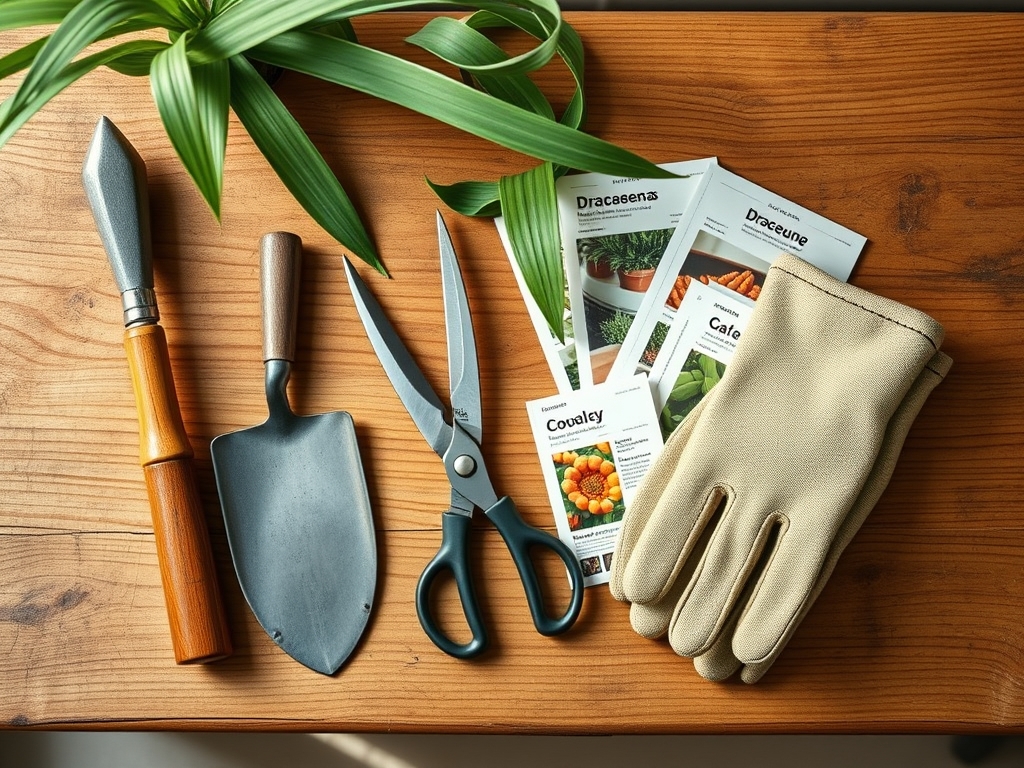
Pruning should be performed with sterilized bypass pruners to ensure clean vascular cuts. If the plant becomes "leggy," use a hori-hori knife or saw to head back the main cane. This removes the apical meristem, forcing the plant to activate lateral buds further down the stalk. Clean the leaves monthly with a damp cloth to remove dust, which can block stomata and reduce photosynthetic efficiency by up to 30 percent.
The Yield:
While Dracaena fragrans is not edible, its "yield" is measured in biomass and air filtration capacity. For those growing the plant for propagation, harvest "pups" or side shoots when they reach 6 inches in height. Use a sharp blade to remove them at the point of attachment to the main cane. To maintain "day-one" freshness for a relocated plant, wrap the root ball in moist burlap and avoid exposing the foliage to wind, which increases the transpiration rate and leads to desiccation.
FAQ:
How much light does a corn plant need?
Corn plants require 200 to 400 foot-candles of light. This equates to bright, indirect sunlight. Avoid direct afternoon sun, which exceeds 1,000 foot-candles and causes leaf scorch and permanent cellular damage to the foliage.
Why are the tips of my corn plant turning brown?
Brown tips result from fluoride or chlorine accumulation in the leaf tissue. Use filtered or distilled water. It can also indicate low ambient humidity. Ensure levels stay above 40 percent to prevent excessive moisture loss through the leaf margins.
How often should I fertilize my Dracaena?
Apply a balanced, water-soluble fertilizer at half-strength every four weeks during the spring and summer. Cease fertilization during the winter months when the plant's metabolic rate slows. Over-fertilization leads to salt buildup and root dehydration.
Can I grow a corn plant from a cane cutting?
Yes, you can propagate via stem cuttings. Cut a 3 to 6-inch section of the cane and place it in moist potting media or water. Ensure at least one node is present for new leaf and root development.