9 Vital Steps to Money Tree Plant Care
Turgor pressure within the thick, woody trunk of a Pachira aquatica dictates its structural integrity. When you compress the stem, it should feel as rigid as a cured hardwood; any give or softness indicates a failure in the vascular system. Mastering the steps to money tree plant care requires a shift from casual observation to precise physiological management. You must balance the atmospheric humidity with a substrate that facilitates rapid gas exchange to prevent root senescence.
The smell of a healthy rhizosphere is earthy and clean, devoid of the sulfurous odor associated with anaerobic bacteria. In its native swamp environments of Central and South America, this species thrives in high-moisture conditions, yet in a containerized environment, the lack of drainage often leads to catastrophic cellular collapse. Success depends on maintaining a consistent transpiration rate. By monitoring the gloss of the palmate leaves and the moisture tension in the soil, you can sustain a specimen that reaches heights of six feet or more indoors. This guide provides the technical framework necessary to optimize the metabolic processes of your Pachira aquatica through data-driven horticultural practices.
Materials:
The foundation of health for the Pachira aquatica is a substrate with a high Cation Exchange Capacity (CEC) to ensure nutrient availability. The ideal soil is a friable loam with a pH range of 6.0 to 7.5. Avoid heavy clays that restrict oxygen flow to the roots.
For nutritional support, utilize a fertilizer with an NPK ratio of 20-20-20 or a balanced 10-10-10 formula. During the active growing season, dilute this to half-strength to prevent salt buildup in the container. You will also need:
- Perlite or coarse river sand to increase macropore space.
- Peat moss or coconut coir for moisture retention without compaction.
- A moisture meter calibrated for indoor tropicals.
- Distilled or filtered water to avoid fluoride and chlorine toxicity.
Timing:
Pachira aquatica is hardy in USDA Zones 10 through 12. In these regions, it can remain outdoors year-round. For growers in colder zones, the plant must be moved indoors when ambient temperatures drop below 50 degrees Fahrenheit (10 degrees Celsius).
The biological clock of the Money Tree is driven by the photoperiod. During the spring and summer, the plant enters a vigorous vegetative stage characterized by the rapid expansion of new leaf flushes. As light levels diminish in the autumn, the plant enters a semi-dormant phase. During this transition, metabolic activity slows, and the plant's demand for nitrogen and water decreases by approximately 40 to 50 percent. Pruning should be timed for late winter or early spring, just before the surge of hormonal activity triggers new growth.
Phases:
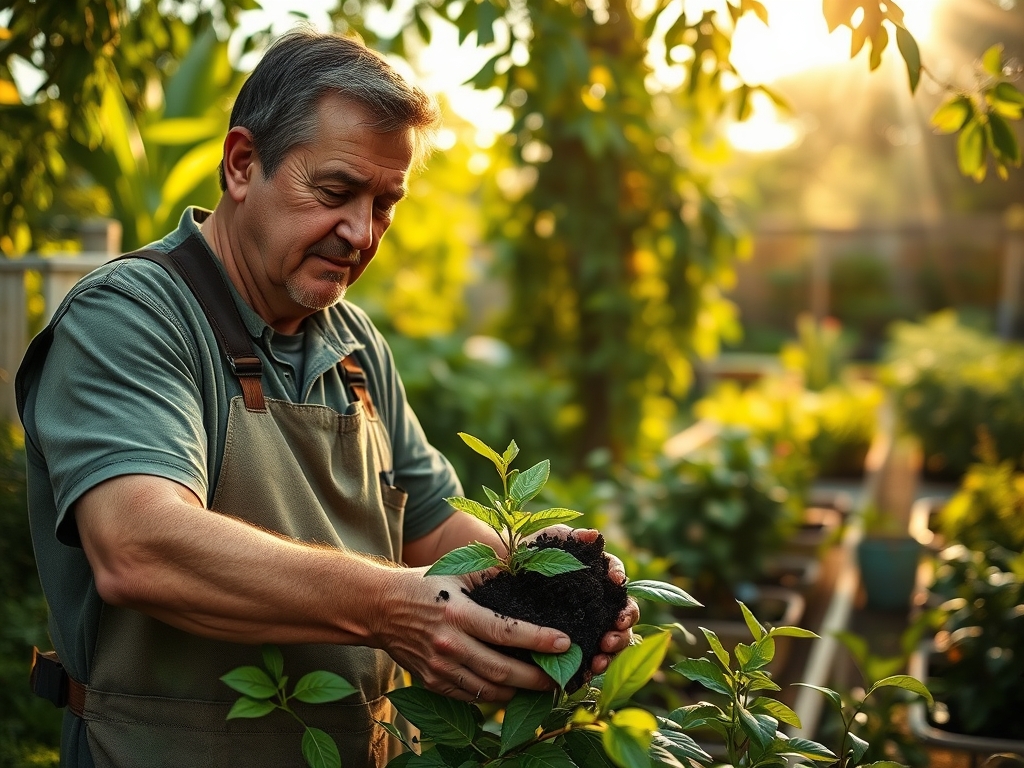
Sowing and Propagation
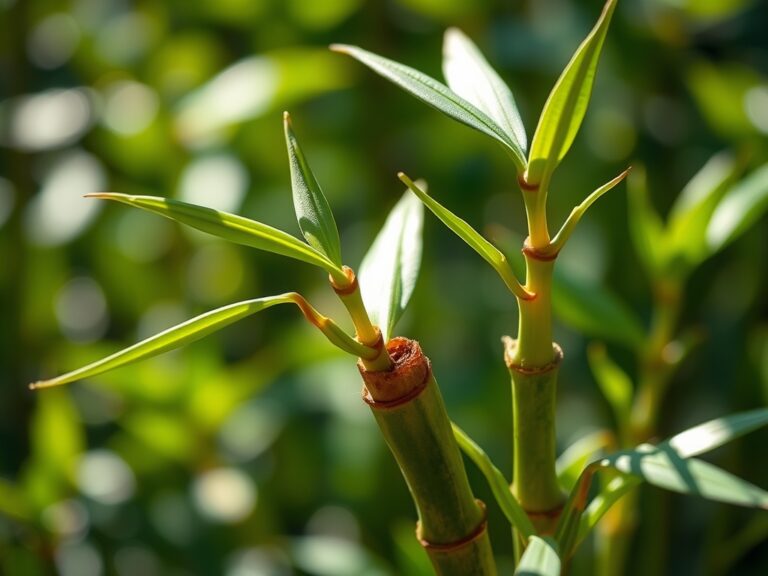
While most enthusiasts purchase braided specimens, propagation via stem cuttings is the most efficient way to expand your collection. Select a 6-inch cutting with at least two nodes. Place the cutting in a sterile medium consisting of 50 percent perlite and 50 percent peat moss.
Pro-Tip: Dip the basal end in a rooting hormone containing Indole-3-butyric acid (IBA). This exogenous application mimics the plant's natural auxin signaling, which redirects cellular energy from foliage production to adventitious root initiation.
Transplanting
Repot your Money Tree every two to three years. Choose a container that is only 2 inches wider than the current root ball. Excessive soil volume leads to "perched water tables," where the bottom layer of soil remains saturated, suffocating the lower root system.
Pro-Tip: Gently tease the roots to break any circular growth patterns. This encourages the development of lateral roots, which increases the surface area for mycorrhizal symbiosis, enhancing the plant's ability to uptake phosphorus and micronutrients.
Establishing
Once transplanted, place the tree in a location with bright, indirect light (200 to 400 foot-candles). Avoid direct southern exposure, which can cause leaf scorch and localized desiccation of the epidermis.
Pro-Tip: Maintain a consistent orientation. Frequent rotation can trigger phototropism, where the plant consumes significant metabolic energy reorienting its petioles toward the light source, potentially weakening the main stem.
The Clinic:
Physiological disorders in Pachira aquatica often manifest through foliar signals. Use the following diagnostic criteria to address issues.
- Symptom: Interveinal Chlorosis. The leaf veins remain green while the tissue between them turns yellow.
- Solution: This indicates a Magnesium or Iron deficiency. Apply a chelated micronutrient spray or adjust the pH to 6.5 to ensure these ions are not locked out by high alkalinity.
- Symptom: Leaf Abscission (Dropping). Healthy-looking leaves fall suddenly.
- Solution: This is usually a response to environmental shock or rapid temperature fluctuations. Ensure the plant is away from HVAC vents and drafty windows.
- Symptom: Tip Burn. The distal ends of the leaves turn brown and brittle.
- Solution: This is caused by salt accumulation from tap water or over-fertilization. Flush the soil with three times the pot's volume in distilled water to leach out excess solutes.
- Fix-It: Nitrogen Chlorosis. If the entire leaf turns a uniform pale yellow, the plant is scavenging nitrogen from older growth to support new leaves. Apply a high-nitrogen liquid fertilizer immediately to restore chlorophyll density.
Maintenance:
Precision maintenance is the difference between a surviving plant and a thriving one. Use a soil moisture meter to ensure the top 2 inches of soil are dry before adding water. On average, a 10-inch pot requires 1 liter of water every 7 to 10 days, but this varies based on humidity.
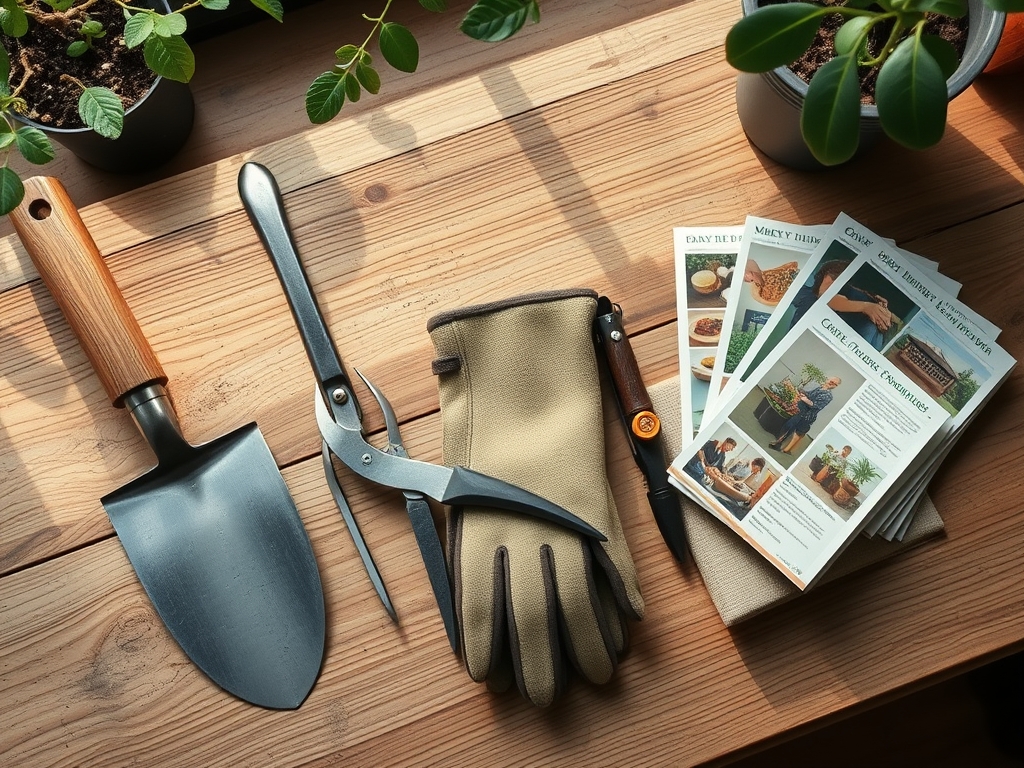
When pruning, use sterilized bypass pruners to make clean cuts at a 45-degree angle just above a node. This prevents water from pooling on the cut surface, which reduces the risk of fungal pathogens. For larger specimens, use a hori-hori knife to occasionally probe the soil and check for compaction. If the soil feels dense, gently aerate by poking holes to improve oxygen diffusion to the root zone. Maintain an ambient humidity level of 50 percent or higher; if your home is dry, use a pebble tray or a dedicated humidifier to prevent the stomata from closing prematurely.
The Yield:
While Pachira aquatica is primarily grown for its architectural foliage, its health is measured by the "yield" of new, five-lobed leaves. To maximize the aesthetic output, keep the leaves free of dust. Use a damp, lint-free cloth to wipe each leaflet. This maximizes the photosynthetic active radiation (PAR) the plant can absorb. If you are pruning to maintain a specific shape, the "harvested" cuttings can be rooted in water. Change the water every 48 hours to maintain high oxygen levels and prevent the growth of algae, ensuring "day-one" freshness for the new clones.
FAQ:
How much light does a money tree need?
Pachira aquatica requires bright, indirect sunlight. Aim for 6 to 8 hours of filtered light daily. Avoid direct noon sun, which exceeds the plant's light saturation point and causes cellular damage to the foliage.
Why are my money tree leaves turning yellow?
Yellowing, or chlorosis, typically stems from overwatering or poor drainage. This leads to root hypoxia, preventing the plant from transporting nutrients. Check the soil moisture and ensure the pot has functional drainage holes.
How often should I fertilize?
Apply a balanced liquid fertilizer once a month during the spring and summer growing seasons. Suspend all fertilization during the winter months when the plant's metabolic rate drops and it cannot process the added nutrients.
Is the money tree toxic to pets?
According to the ASPCA, Pachira aquatica is considered non-toxic to dogs and cats. However, ingestion of any plant material can cause mild gastrointestinal upset. It is best to keep the plant out of reach of curious animals.