6 Simple Steps to Stromanthe Triostar Care
The Stromanthe sanguinea 'Triostar' demands precision. Its leaves flip from cream-striped green to magenta undersides when conditions align: 65-75% humidity, 65-80°F ambient temperature, and bright indirect light measured at 10,000-20,000 lux. These six steps to stromanthe triostar care translate botanical requirements into repeatable protocols, rooted in soil chemistry and auxin distribution principles that govern this Brazilian native's response to cultivation.
Materials
Begin with a substrate engineered for low pH and high cation exchange capacity. Combine 40% peat moss or coir, 30% orchid bark (medium grade), 20% perlite, and 10% worm castings. Target pH of 5.5-6.5. Amend with a 4-4-4 organic fertilizer at 1 tablespoon per gallon of mix to establish baseline macro-nutrients. The bark fraction encourages mycorrhizal colonization while maintaining oxygen content above 15% air-filled porosity.

Select containers with drainage holes spaced every 3 inches along the base. Terra cotta provides passive moisture regulation through evaporation, stabilizing root-zone humidity. For liquid feeding during active growth, prepare a diluted 3-1-2 ratio solution at 200 ppm nitrogen, applied biweekly from March through September. Kelp extract at 1 teaspoon per gallon adds cytokinins that counteract the plant's tendency toward early senescence under suboptimal light.
Timing
Stromanthe triostar functions as a tropical perennial, unsuitable for outdoor cultivation in zones below 10b. Indoor timing revolves around the growing season defined by photoperiod and temperature. Initiate propagation or repotting between late February and early May when ambient temperatures stabilize above 60°F and day length exceeds 11 hours. This window aligns with the plant's natural flush of new growth in equatorial spring conditions.
Avoid disturbance from October through January. Root growth decelerates to 20% of peak rates as the plant enters a semi-dormant phase triggered by reduced solar intensity. Repotting during dormancy increases susceptibility to Pythium and Phytophthora root rots due to slower wound-healing responses.
Phases

Sowing and Division: Stromanthe triostar propagates through rhizome division rather than seed. Select a mature clump with at least 12 leaves. Use a sterile blade to separate sections, ensuring each division retains 3-4 stems and an intact root ball measuring at least 2 inches in diameter. Dust cut surfaces with sulfur powder to prevent fungal colonization. Plant divisions at the same depth as the parent, with the rhizome crown 0.25 inches below the substrate surface.
Pro-Tip: Inoculate fresh substrate with Glomus intraradices spores at 150 propagules per cubic inch of root-zone media. This endomycorrhizal species increases phosphorus uptake by 300% in acidic conditions.
Transplanting: Move divisions into 6-inch pots filled with the prepared substrate. Water with a solution containing 100 ppm nitrogen and 50 ppm phosphorus to stimulate root initiation. Maintain soil moisture at 60-70% field capacity, measured with a tensiometer reading between 10-20 centibars. Position plants under shade cloth rated at 50-60% light reduction for the first 14 days post-transplant. This reduces transpirational demand while root architecture reestablishes.
Pro-Tip: Apply rooting hormone containing 0.1% indole-3-butyric acid (IBA) to cut rhizome surfaces. IBA accelerates adventitious root formation by 40% compared to untreated controls.
Establishing: After 21 days, transition plants to their permanent location with sustained lux readings between 10,000-15,000. Monitor for new leaf emergence, typically visible 28-35 days post-division. Each new leaf should display full variegation within 10 days of unfurling. Pale or all-green foliage indicates insufficient light, while brown margins signal excessive radiation or low humidity.
Pro-Tip: Prune damaged leaves at a 45-degree angle, 0.25 inches above the stem junction. Angled cuts shed water and reduce infection sites for Botrytis cinerea.
Troubleshooting
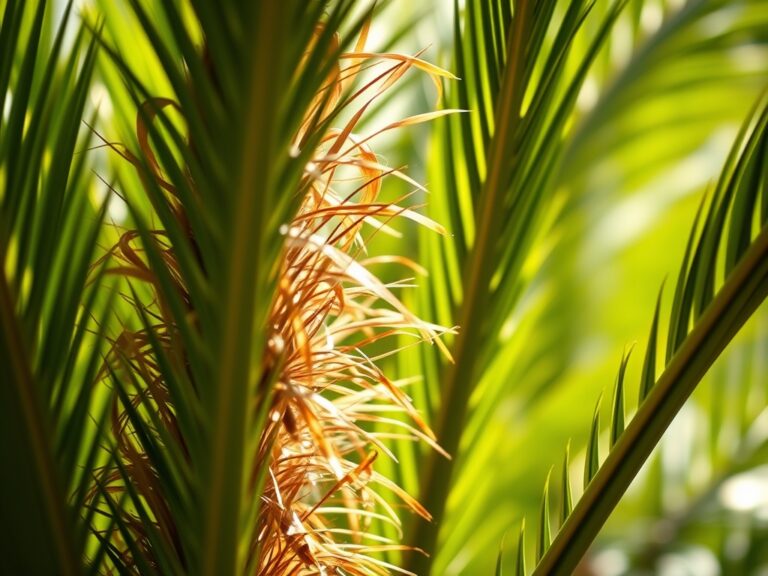
Symptom: Leaf edges brown and crisp, progressing inward from margins.
Solution: Humidity below 50% causes marginal necrosis. Deploy a humidifier to maintain 65-75% relative humidity within 3 feet of foliage. Mist twice daily as a temporary measure.
Symptom: Lower leaves yellow uniformly, older foliage drops prematurely.
Solution: Nitrogen deficiency from depleted substrate. Apply 200 ppm nitrogen solution as fish emulsion or blood meal tea immediately, then resume biweekly fertilization schedule.
Symptom: Sticky residue on leaves, distorted new growth.
Solution: Spider mites (Tetranychus urticae) colonization. Spray leaf undersides with 2% neem oil emulsion every 5 days for 3 weeks. Increase humidity to slow mite reproduction.
Symptom: Blackened stem bases, mushy roots.
Solution: Pythium root rot from overwatering. Remove affected tissue with sterile tools. Repot in fresh substrate. Reduce watering to 0.5 inches per week until recovery.
Symptom: Loss of pink coloration on leaf undersides.
Solution: Insufficient light intensity. Relocate to position receiving 12,000-18,000 lux. Anthocyanin pigment production requires adequate photosynthetically active radiation.
Maintenance
Deliver 0.75-1 inch of water per week, adjusting for container size and ambient humidity. Allow the top inch of substrate to dry between waterings. Flush pots monthly with distilled water to prevent salt accumulation above 2.0 mS/cm electrical conductivity. Wipe leaves weekly with distilled water to remove dust that blocks stomatal function and reduces gas exchange by up to 30%.
Rotate containers 90 degrees every 7 days to ensure uniform light exposure and prevent phototropic lean. Trim spent leaves at the base when 50% of blade area shows senescence. Repot every 18-24 months or when roots circle the container perimeter more than twice.
FAQ
How often should I fertilize Stromanthe triostar?
Every 14 days during active growth (March-September) with a 3-1-2 ratio at 200 ppm nitrogen. Suspend fertilization from October through February.
Can Stromanthe triostar tolerate direct sun?
No. Direct sun causes photooxidative damage. Maintain light intensity between 10,000-20,000 lux using sheer curtains or positioning 4-6 feet from south-facing windows.
Why are my Triostar leaves curling?
Leaf curl indicates water stress, either from underwatering or root damage preventing uptake. Check soil moisture and inspect roots for rot or pot-bound conditions.
What temperature range is ideal?
65-80°F. Below 60°F causes growth cessation and chlorosis. Above 85°F increases transpiration beyond the root system's supply capacity.
How do I increase humidity for my Stromanthe?
Use an ultrasonic humidifier to maintain 65-75% relative humidity. Pebble trays add only 5-10% localized humidity and prove insufficient for optimal variegation.