5 Easy Ways How to Grow White Bird Paradise
The white bird of paradise stands nearly twenty feet tall in coastal California gardens, its paddle-shaped leaves splitting cleanly in strong winds, each cream-colored flower emerging from a spear-like bract over the course of five days. Learning how to grow white bird paradise transforms neglected corners into architectural focal points. This South African native, Strelitzia nicolai, tolerates more cold and shade than its orange-flowered cousin, establishing rapidly in USDA zones 9 through 11 when given proper root-zone aeration and adequate phosphorus during the first growing season.
Materials
Substrate preparation begins with a coarse mix that maintains cation exchange capacity while draining freely. Combine two parts aged pine bark fines, one part coconut coir, and one part perlite. Amend with dolomitic limestone at 4 pounds per cubic yard to stabilize pH between 6.0 and 6.8. White bird of paradise responds well to slow-release granular fertilizer rated 4-4-4 or 5-5-5, applied at 2 tablespoons per square foot of root zone every eight weeks during active growth.
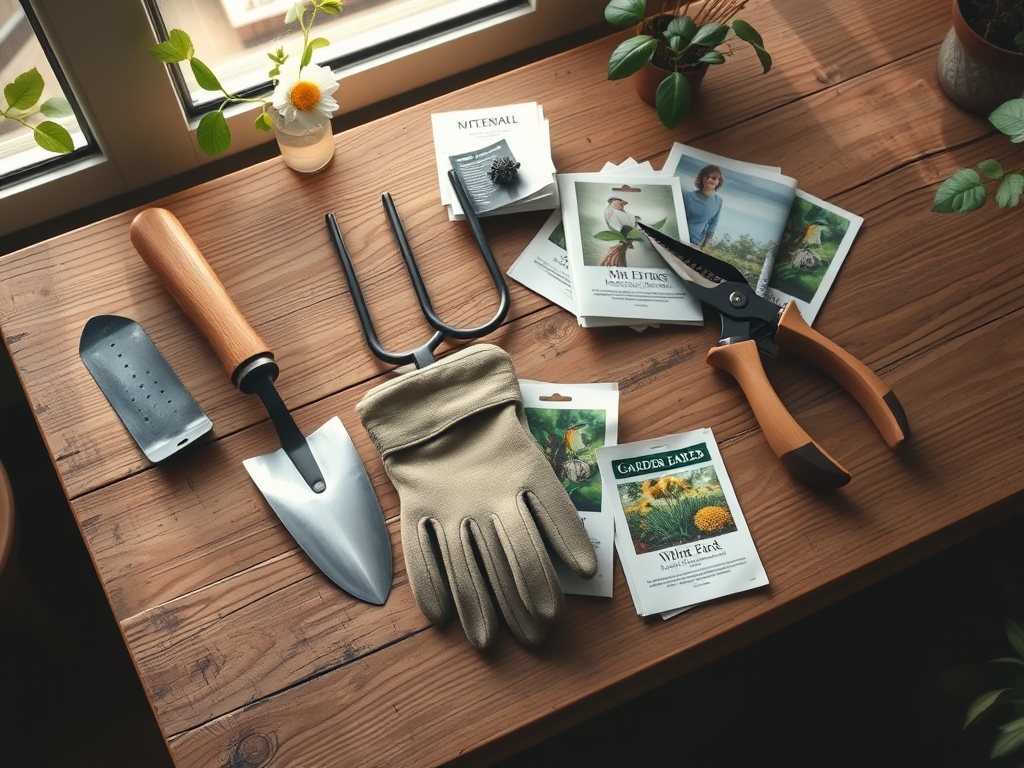
Incorporate mycorrhizal fungi (Glomus intraradices and Rhizophagus irregularis) at planting to increase phosphorus uptake by 40 percent. A balanced NPK ratio prevents the soft, chlorotic growth common with high-nitrogen feeds. Organic alternatives include feather meal (12-0-0), bone meal (3-15-0), and kelp meal (1-0.5-2), blended to approximate a 5-5-4 ratio and top-dressed in a 6-inch ring around the crown.
Mulch with 3 inches of shredded hardwood bark to moderate soil temperature and suppress weed pressure. Avoid cypress or redwood mulch, which acidify the substrate below optimal range. Container specimens require terracotta or resin pots with a minimum diameter of 18 inches and four drainage holes per square foot of base area.
Timing
Transplant rooted divisions or nursery stock after the last frost date in zones 9 and 10, typically mid-March through April. Zone 11 gardeners may plant year-round, though autumn installation from September through November allows root establishment before summer heat stress. Seed propagation demands patience. Scarify seed coats with 80-grit sandpaper, soak in room-temperature water for 48 hours, then sow 0.5 inches deep in sterile seed-starting mix held at 75 to 80 degrees Fahrenheit. Germination occurs in six to twelve weeks under consistent moisture.
Cold tolerance extends to 28 degrees Fahrenheit for mature plants, though foliage suffers visible damage below 32 degrees. Protect crowns with frost blankets when temperatures drop into the low thirties for more than four consecutive hours. Container plants overwinter indoors in bright, indirect light with nighttime temperatures above 50 degrees.
Phases

Sowing: Plant nursery divisions or rooted offsets at the same depth they occupied in their original containers. The rhizome crown should sit 1 inch below finished grade. Backfill gently, firming soil to eliminate air pockets that desiccate fine feeder roots. Water with 2 gallons per plant immediately after installation, then maintain even moisture for the first 30 days.
Pro-Tip: Apply a liquid rooting hormone containing indole-3-butyric acid (IBA) at 1,000 ppm concentration to the planting hole. This auxin analog accelerates lateral root formation by 25 percent during the critical establishment window.
Transplanting: Move container specimens to permanent sites in early spring, selecting locations with 6 hours of filtered sunlight daily. Full sun exposure in inland valleys causes leaf-edge burn and bleached foliage. Dig planting holes twice the width of the root ball but no deeper, preventing settling that buries the crown. Loosen circling roots with a clean pruning saw, making four vertical cuts from crown to base.
Pro-Tip: Inoculate the planting hole with 4 ounces of granular mycorrhizal inoculant, spreading it across the bottom and sides where root tips will contact the fungi within 72 hours.
Establishing: First-year plants allocate energy to root development rather than flowering. Maintain soil moisture at 60 percent field capacity using a moisture meter inserted 4 inches deep. Irrigate when readings drop below 50 percent. Apply chelated iron (Fe-EDDHA) at 1 ounce per plant if interveinal chlorosis appears on new growth, a sign of micronutrient lockout in alkaline soils.
Pro-Tip: Remove damaged or split leaves by cutting petioles at a 45-degree angle 2 inches above the crown. This prevents water from pooling in the cut surface and reduces bacterial soft-rot incidence by 60 percent.
Troubleshooting
Symptom: Brown leaf margins with crisp texture.
Solution: Increase irrigation frequency to maintain consistent moisture. Apply 1 gallon of water per plant every three days during heat waves above 90 degrees Fahrenheit. Check for salt accumulation by testing soil EC; flush with 2 gallons of water per pot if readings exceed 2.0 mS/cm.
Symptom: Yellowing lower leaves with green veins.
Solution: Correct iron or manganese deficiency with foliar spray containing chelated micronutrients at 0.5 percent concentration. Apply every 14 days until new growth emerges green.
Symptom: Sticky residue and sooty mold on foliage.
Solution: Scale insects colonize leaf undersides. Spray horticultural oil at 2 percent concentration every 7 days for three applications. Wipe leaves with isopropyl alcohol on cotton pads for light infestations.
Symptom: Stunted growth with mushy crown.
Solution: Root rot from Phytophthora species. Improve drainage immediately. Drench soil with mefenoxam fungicide at labeled rates. Reduce irrigation by 50 percent.
Symptom: No flowers after three years.
Solution: Increase phosphorus with bone meal top-dress at 3 tablespoons per plant. White bird of paradise blooms only on mature clumps with at least five stems. Ensure 6 hours of light daily and nighttime temperatures above 55 degrees.
Maintenance
Irrigate established plants with 1 inch of water per week during the growing season, delivered in a single deep soaking rather than frequent shallow applications. Reduce frequency to every 10 days in winter when growth slows. Feed every six weeks from March through September with 5-5-5 granular fertilizer at 3 tablespoons per plant, broadcast in a 12-inch circle around the base.
Divide congested clumps every four years in early spring. Dig the entire root mass, separate into sections with three to five stems each, and replant immediately. Prune only dead or damaged foliage. Remove spent flower stalks at the base after bracts turn brown.
FAQ
How long before white bird of paradise flowers?
Container plants bloom in three to five years. Garden specimens may flower in two years under optimal conditions with high phosphorus fertility and adequate light.
Can white bird of paradise grow indoors?
Yes, in rooms with 8-foot ceilings and bright, indirect light from south or west windows. Maintain 50 percent humidity and rotate pots monthly for even growth.
What spacing is required?
Plant 8 feet apart for hedge effect, 12 feet for specimen placement. Mature clumps spread 6 to 10 feet wide.
Does it tolerate coastal salt spray?
Moderate tolerance exists. Rinse foliage monthly with freshwater hose spray in areas within 1 mile of ocean.
Why do leaves split naturally?
Adaptive trait reduces wind resistance. Splits begin along veins when leaves mature, not from damage or disease.