8 Best Bird of Paradise Care Secrets
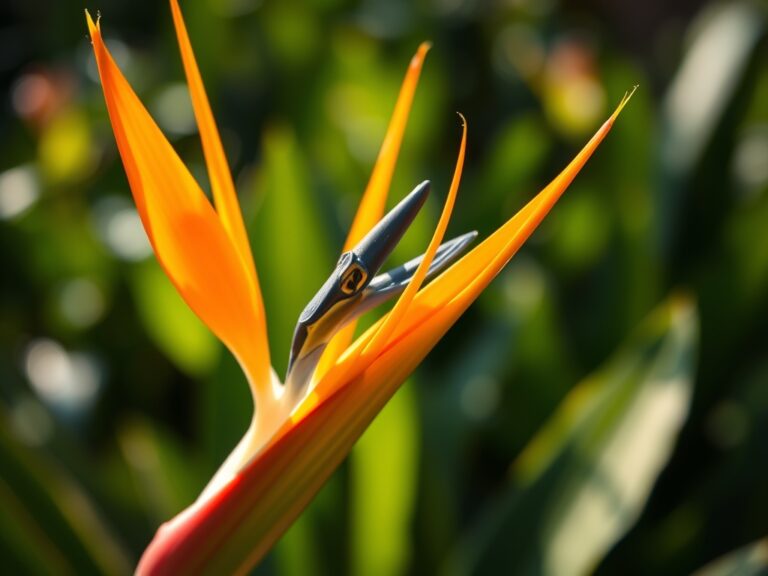
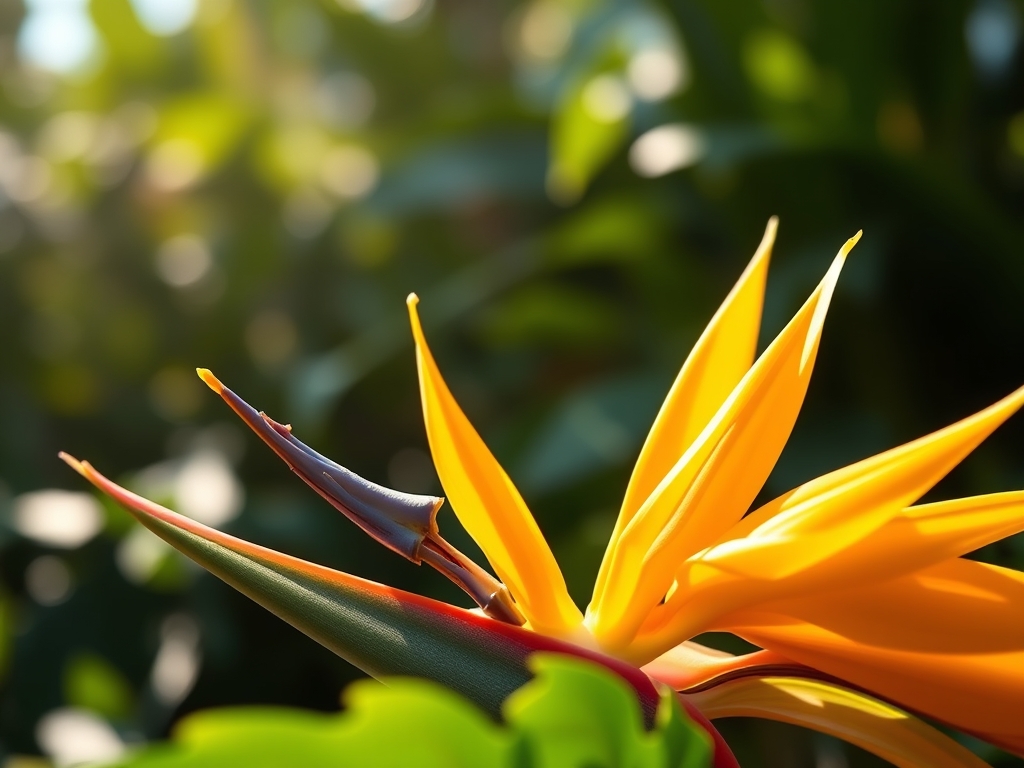
The best bird of paradise care begins with understanding that Strelitzia reginae is not a true bird, nor is it a tropical weakling. This South African native evolved in nutrient-poor soils with seasonal drought, and most indoor failures stem from overwrought kindness. The plant's rhizomatous root system stores water and carbohydrates, making it remarkably tolerant of neglect but intolerant of soggy media. When grown correctly, mature specimens produce those iconic orange and blue bracts reliably for decades. Mastering best bird of paradise care means mimicking the winter-dry, summer-warm cycle of the Eastern Cape, not the daily misting routines of a greenhouse orchid.
Materials
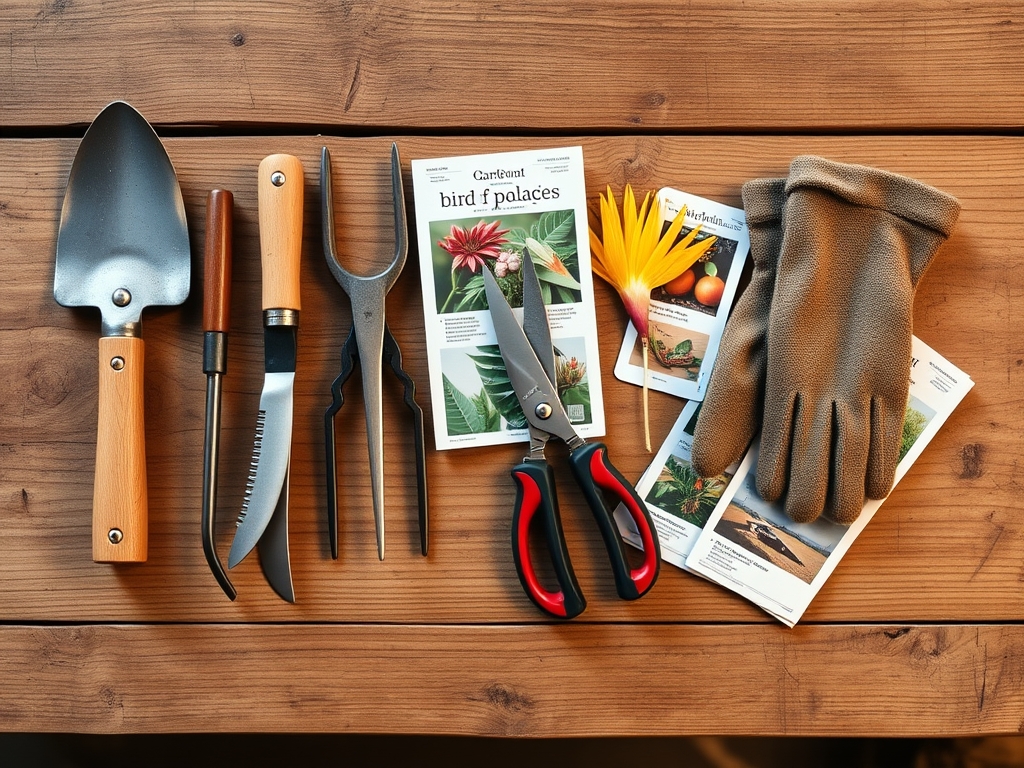
The substrate must drain freely yet retain trace minerals. Combine 40% coarse bark (1/4-inch pine), 30% perlite, 20% coco coir, and 10% worm castings. Target a final pH of 6.0 to 6.5, as alkaline soils lock up iron and manganese, triggering interveinal chlorosis. For fertilizer, select a balanced 4-4-4 organic meal with added micronutrients or a synthetic 10-10-10 formulation diluted to half-strength. Strelitzia reginae responds well to slow-release granules with an NPK of 8-3-9 applied every four months. Avoid high-nitrogen feeds after the third year; excess nitrogen produces lush foliage at the expense of bract initiation.
Containers must offer drainage holes and a minimum volume of 5 gallons for plants under 3 feet tall, scaling to 15-gallon pots for specimens approaching 6 feet. Terracotta improves gas exchange at the root zone but dries faster, while glazed ceramic retains moisture longer. Mycorrhizal fungi inoculants, particularly Glomus species, colonize Strelitzia roots and extend phosphorus uptake by up to 40%. Mix 1 tablespoon of inoculant powder per gallon of substrate at planting.
Timing
Bird of paradise thrives in USDA Hardiness Zones 9 through 11 outdoors. In Zone 9, light frost may defoliate plants but rarely kills established rhizomes. Gardeners in Zones 7 and 8 should grow Strelitzia in containers and move them indoors when night temperatures approach 40°F. The ideal planting window runs from late March through early June, allowing roots to establish before the stress of winter dormancy or peak summer heat.
Indoor specimens require a photoperiod of at least 12 hours of bright, indirect light to initiate flowering. South-facing windows provide 3,000 to 5,000 foot-candles, sufficient for vegetative growth but often insufficient for bract production. Supplement with full-spectrum LEDs rated at 2,000 lumens per square foot during the winter months. Flowering typically occurs in plants older than five years, with peak bract display from late winter through spring if the plant experienced a cool, dry rest period in autumn.
Phases
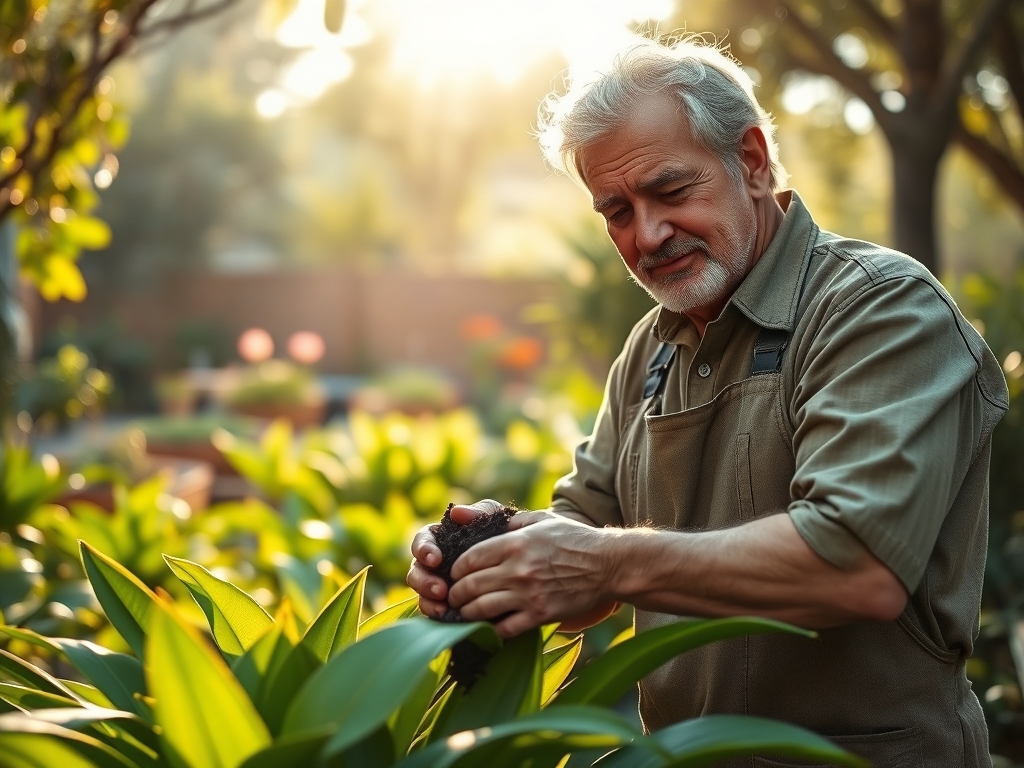
Sowing: Strelitzia seeds require scarification to break the orange aril coating. Sand the seed coat with 220-grit sandpaper until a pale spot appears, then soak in room-temperature water for 48 hours. Sow 1/2 inch deep in a sterile seed-starting mix maintained at 75 to 80°F. Germination spans 4 to 12 weeks. Seedlings grow slowly; expect only four leaves in the first year.
Pro-Tip: Apply a rooting hormone with 0.1% indole-3-butyric acid (IBA) to the scarified seed before sowing to accelerate radicle emergence by 20%.
Transplanting: Divisions and nursery stock adapt best when root disturbance is minimized. Tease apart rhizome clumps in early spring using a clean knife, ensuring each division retains at least three growth points. Set the crown at the same depth as the original pot, avoiding burial of the pseudostem. Water with a dilute solution of kelp extract (1 tablespoon per gallon) to supply auxins and cytokinins that reduce transplant shock.
Pro-Tip: Prune damaged roots at a 45-degree angle with sterilized shears to encourage callus formation and prevent pathogen entry.
Establishing: During the first six months, maintain soil moisture equivalent to a wrung-out sponge. New leaves emerge from the central meristem at a rate of one per month under optimal conditions. Avoid fertilization until the fourth leaf fully unfolds; premature feeding can burn tender roots. After establishment, reduce watering frequency but increase volume, delivering 1 quart per gallon of pot size every 10 to 14 days during active growth.
Pro-Tip: Rotate the container 90 degrees every two weeks to ensure even auxin distribution and prevent phototropic lean.
Troubleshooting
Symptom: Yellowing lower leaves with brown, crispy margins.
Solution: Classic salt accumulation from over-fertilization. Leach the pot with three volumes of distilled water, allow full drainage, and resume feeding at half the previous concentration.
Symptom: Split, ragged leaf edges without accompanying discoloration.
Solution: Low humidity or root-bound conditions. Strelitzia naturally splits leaves to reduce wind resistance, but excessive tearing signals stress. Increase ambient humidity to 50% using a pebble tray and check for circling roots. If the root-to-soil ratio exceeds 70%, repot immediately.
Symptom: White, cottony masses in leaf axils.
Solution: Mealybug infestation. Swab colonies with 70% isopropyl alcohol on a cotton swab, then spray with insecticidal soap (2% potassium salts of fatty acids) every 5 days for three applications.
Symptom: No flowering after seven years of growth.
Solution: Insufficient cool dormancy or light. Reduce irrigation by 50% from October through December and allow night temperatures to drop to 55°F. Verify light intensity exceeds 5,000 foot-candles during the growing season.
Maintenance
Water deeply every 10 to 14 days during spring and summer, allowing the top 2 inches to dry between sessions. Reduce frequency to every 3 weeks in winter. Apply 1 inch of water per irrigation event, measured with a rain gauge placed on the soil surface. Wipe leaves monthly with a damp microfiber cloth to remove dust and improve photosynthetic efficiency. Remove spent bracts by cutting the stalk at the base once all flowers have faded. Repot every 3 to 4 years in early spring, upsizing by 2 inches in diameter. Top-dress annually with 1/4 inch of finished compost to replenish organic matter and boost cation exchange capacity.
FAQ
How long until my bird of paradise blooms?
Seed-grown plants require 5 to 7 years. Divisions from mature clumps may flower within 2 years if they retain active growth points.
Can I grow bird of paradise from a leaf cutting?
No. Strelitzia lacks adventitious bud tissue on petioles. Propagation succeeds only through division of rhizomes or seed.
Why are the leaves curling inward?
Underwatering is the primary cause. The plant reduces leaf surface area to limit transpiration. Increase watering volume by 25% and monitor turgor recovery within 48 hours.
Is bird of paradise toxic to pets?
Yes. All parts contain hydrogen cyanide precursors and tannins. Ingestion causes mild to moderate gastrointestinal upset in cats and dogs.
Do I need to fertilize in winter?
No. Reduced photoperiod and cooler temperatures slow metabolism. Resume fertilization in March when new leaf emergence resumes.