9 Best Tactile Plants for Paths
The smell of damp earth and the firm turgor of a healthy leaf define the physical reality of a functional garden. Selecting the best tactile plants for paths requires an understanding of cellular resilience and surface friction. These species must withstand mechanical stress while providing distinct sensory feedback through the fingertips or soles of the feet. A path is not merely a transit line; it is a living interface where botanical physiology meets human kinetic energy. Success depends on matching the plant's structural integrity to the specific Cation Exchange Capacity (CEC) of the surrounding soil.
Establishing these living borders demands a shift from aesthetic whimsy to rigorous horticultural science. You are managing a rhizosphere that must endure compaction and frequent contact. The following guide provides the technical framework for selecting, installing, and maintaining the nine most durable tactile species for high-traffic zones. We will prioritize species with high regenerative capacity and specialized leaf morphologies that thrive under the pressure of a human gait.
Materials:
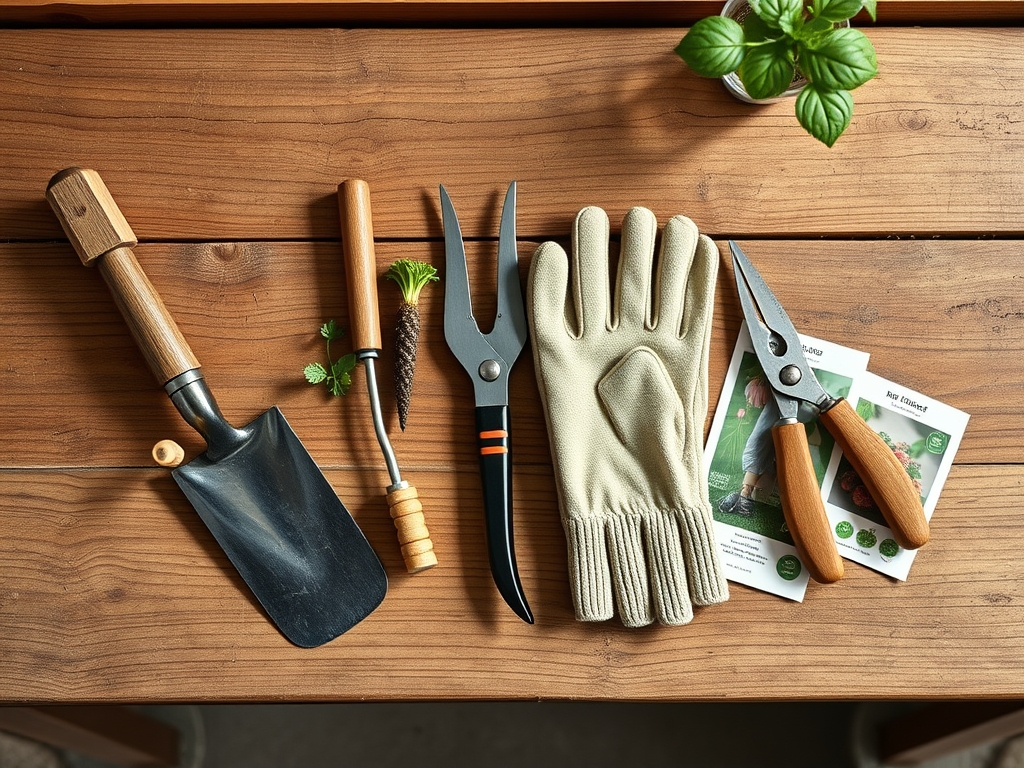
The substrate for path-adjacent plants must be a friable loam with a pH range of 6.0 to 7.0. High sand content is necessary to ensure rapid drainage and prevent root rot during periods of heavy precipitation. For the best tactile plants for paths, use a pre-planting fertilizer with an NPK ratio of 5-10-5. This phosphorus-heavy start encourages robust root development rather than excessive, weak foliage.
Ensure the soil has a high CEC to retain essential cations like calcium and magnesium. If the soil is heavy clay, incorporate coarse organic matter to increase macropores. This structural adjustment allows for gas exchange within the root zone, even when the surface is compressed. Test your soil to confirm a minimum organic matter content of 5 percent before installation.
Timing:
Timing is governed by the biological clock of the species, specifically the transition from vegetative growth to reproductive senescence. Most tactile path plants should be installed in USDA Hardiness Zones 4 through 9, depending on the specific cultivar. The ideal planting window opens when soil temperatures reach a consistent 55 degrees Fahrenheit (12.8 degrees Celsius).
Avoid planting during the peak of summer to prevent excessive transpiration stress. The goal is to allow the root system to establish before the plant enters its photoperiod-induced flowering stage. For spring-planted crops, aim for a window two to three weeks after the last predicted frost. This timing ensures that the young plants have sufficient auxin production to drive root elongation before the heat of July induces metabolic slowdown.
Phases:

Sowing and Propagation
When starting from seed, maintain a consistent moisture level to ensure the seed coat softens and allows the radicle to emerge. For species like Thymus praecox (Creeping Thyme), surface-sow the seeds as they require light for germination. Keep the ambient temperature between 65 and 70 degrees Fahrenheit.
Pro-Tip: Utilize a bottom-heat mat to stimulate rapid cellular division in the root apical meristem. This biological acceleration reduces the time the seedling is vulnerable to damping-off pathogens in the soil.
Transplanting
When moving starts to the path edge, dig a hole twice the width of the root ball. Space plants 6 to 12 inches apart depending on their mature spread. Ensure the crown of the plant sits exactly at the soil line; burying the crown leads to anaerobic conditions and subsequent fungal infection.
Pro-Tip: Inoculate the planting hole with endomycorrhizal fungi. This symbiotic relationship expands the surface area of the root system, allowing the plant to access deep-channel water and phosphorus that would otherwise be unavailable.
Establishing
During the first 21 days, the plant focuses on hydraulic integration with the surrounding soil. Water deeply every three days rather than light daily misting. This encourages the roots to grow downward into the cooler, moister subsoil layers.
Pro-Tip: Pinch back the first inch of new growth on upright tactile plants to suppress apical dominance. This redirects auxins to lateral buds, creating a denser, more resilient mat that can better withstand foot traffic.
The Clinic:
Physiological disorders often manifest as visible changes in leaf color or texture. Monitoring these signals is critical for path longevity.
-
Symptom: Interveinal chlorosis (yellowing between green veins) on new leaves.
-
Solution: This indicates an Iron deficiency, often caused by high soil pH. Apply a chelated iron drench to lower the localized pH and restore chlorophyll production.
-
Symptom: Marginal leaf scorch or browning edges.
-
Solution: This is typically a sign of potassium deficiency or salt accumulation. Flush the soil with 2 inches of water and apply a 0-0-50 sulfate of potash supplement.
-
Symptom: Soft, mushy stems at the soil line (Damping off).
-
Solution: Improve airflow and reduce irrigation frequency. Ensure the soil has at least 20 percent pore space for oxygenation.
-
Fix-It for Nitrogen Chlorosis: If older leaves turn a uniform pale yellow, the plant is scavenging nitrogen for new growth. Apply a quick-release 10-0-0 liquid fertilizer to immediately boost turgor and color.
Maintenance:
Precision is the hallmark of a professional gardener. Use a soil moisture meter to ensure the root zone stays at a consistent 25 to 30 percent moisture capacity. Most path plants require 1.5 inches of water per week delivered at the drip line to minimize foliar disease.
Use a hori-hori knife for deep-rooted weed extraction to avoid disturbing the delicate lateral roots of your tactile carpet. Prune any leggy growth with bypass pruners to maintain a compact form factor. In late autumn, top-dress the area with 0.5 inches of leaf mold to provide a slow-release nutrient source and insulate the root crowns against freeze-thaw cycles.
The Yield:
For tactile herbs like Chamaemelum nobile (Roman Chamomile), harvest occurs when the flowers are in full anthesis but before the petals begin to droop. Use sharp snips to cut the stems in the early morning when oil concentration is at its peak.
To maintain "day-one" freshness for tactile foliage used in arrangements, immediately submerge the cut ends in 110-degree Fahrenheit water. This heat treatment breaks air bubbles in the xylem, allowing for maximum water uptake and sustained turgor pressure. Store the cuttings in a cool, dark environment for two hours before use to stabilize the cellular structure.
FAQ:
Which tactile plants handle the most foot traffic?
Thymus serpyllum and Leptinella squalida are the most resilient. Their low growth habit and flexible cell walls allow them to compress without snapping. Maintain a pH of 6.5 for optimal cellular strength and recovery speed.
How do I prevent path plants from becoming invasive?
Select clumping varieties rather than those with aggressive rhizomes. Use a hori-hori knife to prune roots annually at the path boundary. This physical barrier prevents the plant from encroaching on non-target areas while maintaining a clean edge.
What is the best soil for path-side succulents?
Succulents require a substrate with 50 percent inorganic grit like perlite or crushed granite. This ensures a high percolation rate, preventing the root zone from becoming saturated. Aim for a CEC of 10 to 15 for balanced nutrient retention.
Can tactile plants grow in full shade?
Soleirolia soleirolii (Baby Tears) thrives in low-light conditions with high humidity. It requires consistent moisture and a pH of 5.5 to 6.5. However, it lacks the structural lignin of sun-loving herbs and should only face light traffic.