8 Engaging Ways How to Design a Sensory Pathway
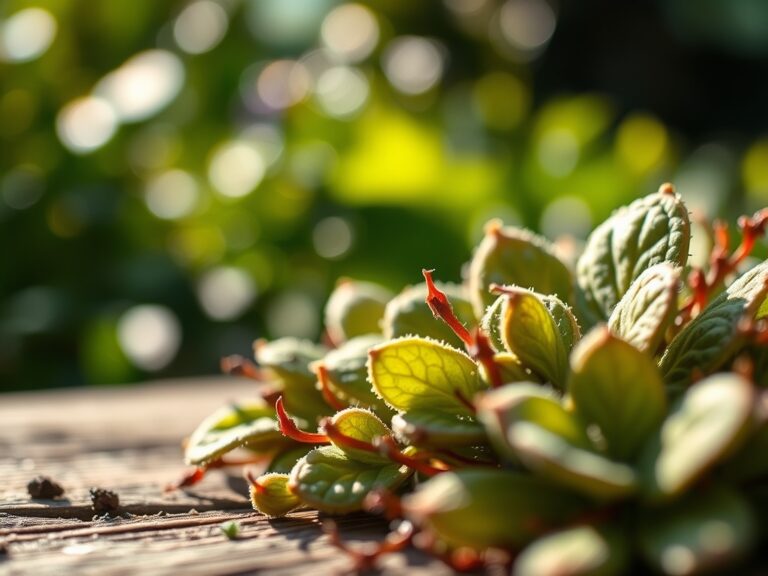
The smell of damp earth after a rain event is the result of geosmin, a metabolic byproduct of Actinobacteria. When you grasp a leaf of Stachys byzantina, the high turgor pressure within the vacuoles provides a tactile rigidity that defines the structural integrity of the plant. Understanding how to design a sensory pathway requires more than aesthetic placement; it demands a rigorous application of soil science and botanical physiology to ensure every specimen thrives within its specific niche.
Effective pathway design utilizes the rhizosphere to influence human perception through five distinct stimuli. By selecting species with varying leaf morphologies and volatile organic compounds, you create a sequence of biological interactions. This process begins with the structural foundation of the soil and ends with the controlled senescence of seasonal plantings. Success is measured by the sustained health of the vascular systems within the garden, ensuring that tactile and olfactory triggers remain potent throughout the growing season.
Materials:

The success of a sensory pathway depends on the Cation Exchange Capacity (CEC) of the substrate. You must establish a **friable loam** consisting of 40% sand, 40% silt, and 20% clay. This balance ensures adequate pore space for oxygen diffusion while maintaining moisture.
For olfactory-heavy plantings like Lavandula, maintain a soil pH between 6.5 and 7.5. These plants require an NPK ratio of 5-10-10 to prioritize root development and essential oil production over excessive vegetative growth. Conversely, tactile foliage plants like ferns require a more acidic environment with a pH of 5.5 to 6.0 and a higher nitrogen input, specifically an NPK ratio of 10-5-5, to maintain the deep green chlorophyll levels required for shade photosynthesis.
Ensure the substrate has an organic matter content of at least 5%. Use basalt rock dust to provide trace minerals that enhance the pigment intensity of flowers, which heightens the visual stimulus of the pathway.
Timing:
Hardiness Zones dictate the metabolic limits of your pathway. In Zones 5 through 7, the primary planting window opens when soil temperatures consistently reach 55 degrees Fahrenheit. This temperature threshold triggers the breaking of seed dormancy and encourages rapid root elongation.
The biological clock of the garden is governed by the photoperiod. Short-day plants will begin their reproductive phase as daylight hours decrease, while long-day plants require at least 14 hours of light to initiate flowering. You must time your transplants to avoid the "transplant shock" window, which typically occurs if the ambient temperature fluctuates more than 15 degrees within a 24-hour period. For perennials, the ideal window for installation is six weeks before the first hard frost to allow for mycorrhizal colonization of the root zone.
Phases:

Sowing
Direct sow seeds that require scarification or cold stratification along the path edges. For species like Lupinus, ensure a planting depth of 0.5 inches. Maintain consistent moisture to prevent the desiccation of the radicle during emergence.
Pro-Tip: Utilize the principle of photoblastism. Some seeds require light to germinate; do not bury these species, as the absence of red-light wavelengths will keep the phytochrome in an inactive state, preventing germination.
Transplanting
When moving nursery stock into the pathway, excavate a hole twice the width of the root ball. Use a hori-hori knife to score any circling roots. This mechanical disruption encourages lateral root branching into the surrounding native soil.
Pro-Tip: Apply a seaweed-based kelp solution during transplanting to provide natural cytokinins. These hormones promote cell division and reduce the recovery time of the root system by stimulating the apical meristems.
Establishing
During the first 21 days, the plant focuses on establishing hydraulic lift. Avoid high-nitrogen fertilizers during this phase, as they can cause a surge in top-growth that the immature root system cannot support, leading to a loss of turgor.
Pro-Tip: Practice auxin suppression by pinching back the terminal buds of aromatic herbs like Basil or Mint. This removes apical dominance, forcing the plant to redirect energy to lateral buds, resulting in a bushier, more tactile plant.
The Clinic:
Physiological disorders often mimic pathogen attacks but are rooted in environmental stress.
Symptom: Interveinal chlorosis on new growth (yellow leaves with green veins).
Solution: This indicates an Iron deficiency, often caused by a pH above 7.0 which locks out micronutrients. Apply chelated iron and adjust the soil pH with elemental sulfur.
Symptom: Blossom end rot or necrotic leaf tips.
Solution: This is a Calcium transport issue. It is rarely a lack of Calcium in the soil but rather a lack of consistent transpiration. Ensure regular irrigation to maintain the flow of water through the xylem.
Symptom: Purpling of the lower foliage.
Solution: Phosphorus deficiency. This often occurs in cold soils below 50 degrees Fahrenheit where microbial activity is low. Apply a water-soluble 0-20-0 fertilizer to the root zone.
Maintenance:
Precision maintenance is the difference between a surviving garden and a thriving sensory experience. Deliver 1.5 inches of water per week directly at the drip line. Use a soil moisture meter to ensure the moisture has penetrated at least 6 inches deep; superficial watering leads to shallow root systems that fail during drought.
Use bypass pruners for clean cuts that minimize tissue damage. Always cut at a 45-degree angle approximately 0.25 inches above a node to prevent dieback and fungal entry. Monitor for compaction along the pathway; use a broadfork to aerate the soil if the bulk density becomes too high, which restricts oxygen to the nitrifying bacteria in the soil.
The Yield:
For a sensory pathway featuring edible or aromatic components, harvest timing is critical for chemical potency. Harvest herbs just before anthesis (flowering) when the concentration of essential oils is at its peak. This usually occurs in the early morning after the dew has evaporated but before the sun reaches its zenith.
Use sharp snips to avoid tearing the vascular bundles. For flowers, immediately plunge the stems into room temperature water to maintain hydraulic pressure. Post-harvest, store aromatic cuttings in a cool, dark environment to prevent the volatile oils from oxidizing, ensuring the scent remains potent for the user.
FAQ:
How wide should a sensory pathway be?
A minimum width of 48 inches is required. This allows two individuals to pass or one wheelchair user to navigate comfortably while ensuring the lateral spread of foliage does not obstruct the walking surface or create a tripping hazard.
Which plants are best for tactile stimulation?
Select species with diverse epidermal structures. Stachys byzantina offers woolly trichomes; Festuca glauca provides a stiff, needle-like texture. Ensure all selections are non-toxic and free of serrated margins or caustic saps that cause contact dermatitis.
How do I maintain scent year-round?
Integrate a mix of evergreen conifers for resinous winter scents and deciduous aromatic shrubs. Use Viburnum carlesii for spring and Hamamelis virginiana for late-season fragrance. This ensures the olfactory biological triggers remain active across all four seasons.
Can I build a sensory path in the shade?
Yes. Focus on textural contrast using Hosta and Polystichum munitum. Use white-variegated foliage to increase the albedo effect, brightening the path visually in low-light conditions. Maintain a pH of 5.8 for optimal shade-plant nutrient uptake.