7 Simple Steps to Vent a Cold Frame
The smell of damp, decaying organic matter and the sharp tang of mineral-rich soil define the interior of a successful winter structure. When you lift the sash, you witness the high turgor pressure of a healthy leaf, a sign that the cellular vacuoles are fully hydrated and rigid. Managing this microclimate requires precision to prevent heat stress or fungal pathogens. Mastering the steps to vent a cold frame ensures that internal temperatures do not exceed the thermal threshold of cool-season crops. Proper ventilation regulates gas exchange and prevents the buildup of excess humidity that leads to damping off. A disciplined approach to airflow maintains a steady 50 to 65 degrees Fahrenheit during daylight hours. This thermal regulation is the difference between a productive harvest and a scorched, desiccated crop.
Materials:
The substrate within your cold frame must facilitate rapid drainage while maintaining high nutrient availability. Aim for a **friable loam** with a **Soil Cation Exchange Capacity (CEC)** of 15 to 25 milliequivalents per 100 grams. This ensures the soil can hold and release essential cations like calcium and magnesium. Maintain a **soil pH between 6.2 and 6.8** to optimize nutrient uptake.
For vegetative growth, apply a balanced organic fertilizer with an NPK ratio of 5-5-5. If you are targeting leafy greens, a slightly higher nitrogen ratio of 8-4-4 supports chlorophyll production and leaf expansion. The physical texture should be granular; avoid heavy clays that compact and restrict oxygen flow to the rhizosphere. Incorporate well-rotted compost to increase the organic matter content to at least 5 percent by volume.
Timing:
Hardiness Zones 4 through 7 rely heavily on cold frames to extend the growing season by 4 to 8 weeks. In these regions, the primary frost-date window occurs between late September and mid-May. You must monitor the "Biological Clock" of your plants, which is the transition from vegetative growth to reproductive stages.
Ventilation timing is dictated by solar radiation rather than ambient air temperature. On a clear day with an outside temperature of 35 degrees Fahrenheit, the interior of a sealed cold frame can reach 85 degrees Fahrenheit within two hours of sunrise. You must crack the lid when internal sensors reach 45 degrees Fahrenheit for hardy greens and 55 degrees Fahrenheit for semi-hardy starts. As the photoperiod increases in late winter, the window for ventilation expands to accommodate the increased metabolic rate of the plants.
Phases:

Sowing
Direct sow seeds into the prepared loam at a depth of three times the seed diameter. Ensure the soil temperature is at least 40 degrees Fahrenheit for brassicas and spinach. Use a soil moisture meter to maintain 70 percent field capacity during germination.
Pro-Tip: Maintaining consistent moisture levels prevents the hardening of the seed coat. This facilitates the emergence of the radicle through hydrotropism, where the root grows toward moisture gradients to establish the initial rhizosphere.
Transplanting
When moving starts into the cold frame, ensure the seedlings have at least two sets of true leaves. Space plants 6 to 8 inches apart to allow for adequate lateral airflow once the canopy fills in. This spacing reduces the risk of Botrytis cinerea in the high-humidity environment.
Pro-Tip: Transplanting during the late afternoon reduces moisture loss from transpiration. This allows the plant to recover turgor pressure overnight before facing the thermal stresses of the following day's solar gain.
Establishing
Once the root systems are established, focus on strengthening the stems. Gradually increase the duration of ventilation to expose the plants to ambient wind speeds. This mechanical stress triggers the production of lignin in the cell walls.
Pro-Tip: Exposure to air movement suppresses auxin accumulation on the leeward side of the stem. This results in shorter, thicker, and more resilient stalks that can support heavy foliage without lodging.
The Clinic:
Physiological disorders in a cold frame are usually the result of poor environmental control or nutrient imbalances.
Symptom: Interveinal chlorosis on young leaves.
Solution: This often indicates a lack of iron or manganese, frequently caused by a pH above 7.0. Lower the pH by adding elemental sulfur or chelated iron to the soil.
Symptom: Tip burn on lettuce or spinach.
Solution: This is caused by localized calcium deficiency during periods of high transpiration. Increase ventilation to lower the humidity and ensure consistent soil moisture to facilitate calcium transport through the xylem.
Symptom: Leggy, elongated stems with pale foliage.
Solution: This is a classic case of etiolation due to insufficient light or excessive heat. Open the sash fully on sunny days and ensure the glazing is clean of debris to maximize light transmission.
Fix-It for Nitrogen Chlorosis: If older leaves turn uniformly yellow, apply a liquid seaweed or fish emulsion with a high nitrogen NPK (10-0-0). This provides an immediate boost to the rhizosphere for rapid absorption.
Maintenance:
Precision is the hallmark of a master horticulturist. Use a soil moisture meter daily to ensure the substrate does not drop below 50 percent of its water-holding capacity. Provide exactly 1.5 inches of water per week at the drip line of the plants; avoid overhead watering to prevent foliar diseases.
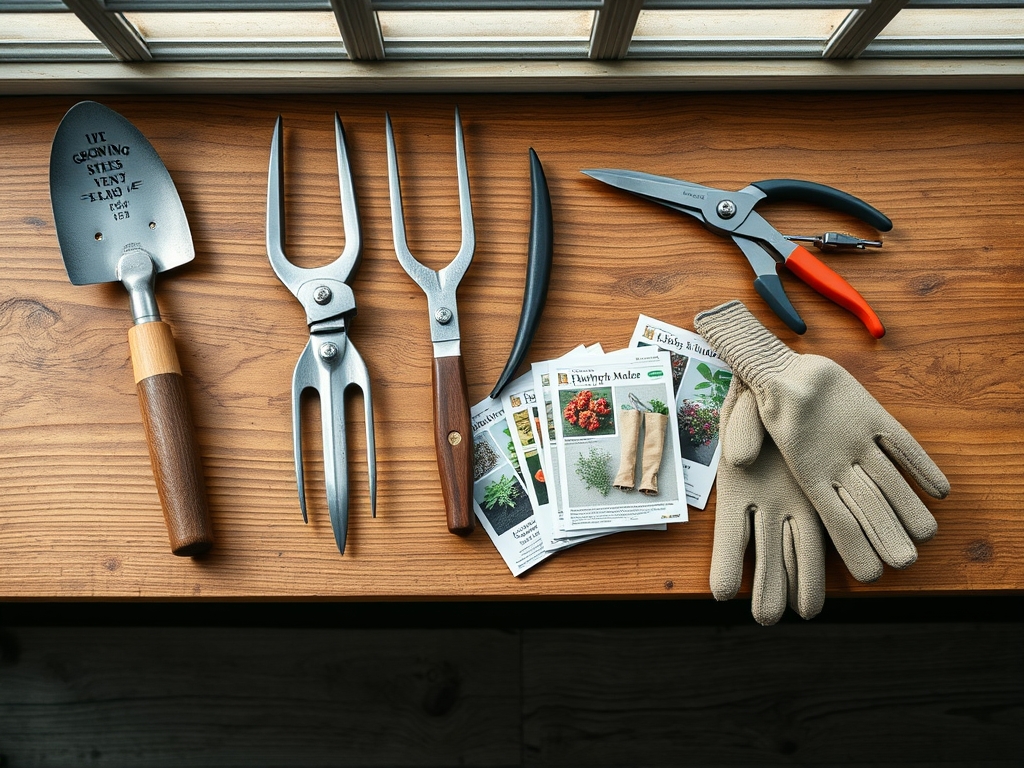
Keep a hori-hori knife sharpened for precise weeding between rows. This tool allows you to sever the taproots of invasive species without disturbing the delicate root architecture of your crops. Use bypass pruners to remove any yellowing or senescent leaves immediately. This prevents the tissue from becoming a host for saprophytic fungi. Check the integrity of the cold frame seals weekly to ensure no heat escapes during sub-freezing nights.
The Yield:
Harvesting from a cold frame requires timing to capture peak sugar content. For leafy greens, harvest in the early morning when the plants are at maximum turgor. Use a sharp blade to cut the outer leaves, leaving the central growing point intact for "cut and come again" production.
To maintain "day-one" freshness, immediately submerge the harvested greens in a cold-water bath (34 to 38 degrees Fahrenheit). This process, known as hydro-cooling, removes field heat and slows the metabolic rate of the plant. Store the produce in a sealed container at high humidity to prevent moisture loss through the stomata. For root crops like carrots or radishes, remove the tops immediately after harvest to prevent the foliage from drawing moisture out of the root.
FAQ:
At what temperature should I vent my cold frame?
Vent the frame when the internal temperature exceeds 50 degrees Fahrenheit. On sunny days, the interior can heat up rapidly even if the air is cold. Consistent monitoring prevents heat stress and bolting in cool-season crops.
How wide should I open the sash for ventilation?
On cool days, a 1 to 2 inch gap is sufficient to allow gas exchange. On warm days exceeding 50 degrees Fahrenheit, open the sash halfway or remove it entirely to maintain a stable internal temperature and reduce humidity.
Can I leave the cold frame open at night?
Only leave the frame open if the nighttime low is predicted to stay above 40 degrees Fahrenheit. If frost is expected, close the sash tightly before sunset to trap the residual ground heat and protect the plants.
What are the signs of poor ventilation in plants?
Common signs include condensation dripping from the glass, fuzzy white mold on the soil surface, and soft, water-soaked spots on leaves. These symptoms indicate high humidity and stagnant air, which promote fungal pathogens and physiological rot.