8 Exotic Ways How to Design a Tropical Patio
The smell of damp peat and the metallic tang of high-iron soil define the successful tropical installation. When you grasp a leaf of Alocasia macrorrhizos, the high turgor pressure should make the tissue feel rigid; a sign of optimal cellular hydration. Learning how to design a tropical patio requires more than aesthetic placement. It demands an understanding of microclimates and the physiological needs of broad-leafed species. You are not merely decorating a space; you are engineering a high-humidity biome that must withstand localized environmental stressors while maintaining rapid biomass production.
Success begins with the substrate. Most tropical species require a soil pH between 5.8 and 6.5 to ensure maximum nutrient availability. In this range, the Cation Exchange Capacity (CEC) allows for the efficient uptake of essential minerals. To achieve this, you must construct a growing environment that mimics the forest floor. Use a mix of 40 percent composted bark, 30 percent coarse perlite, and 30 percent coconut coir. This creates a friable loam that prevents anaerobic conditions around the rhizosphere.
Materials:
The nutritional requirements for a tropical patio vary by species, but a baseline NPK ratio of 3-1-2 is standard for foliage-heavy designs. Nitrogen (N) drives the production of chlorophyll and vegetative growth. Phosphorus (P) supports root development and ATP transfer. Potassium (K) regulates stomatal opening and water use efficiency.
- Fertilizer: Apply a controlled-release 15-5-10 fertilizer at a rate of 1 pound of actual nitrogen per 1,000 square feet.
- Soil Amendments: Incorporate elemental sulfur if your pH exceeds 7.0. Add 1 pound per 100 square feet to drop the pH by one full point in sandy soils.
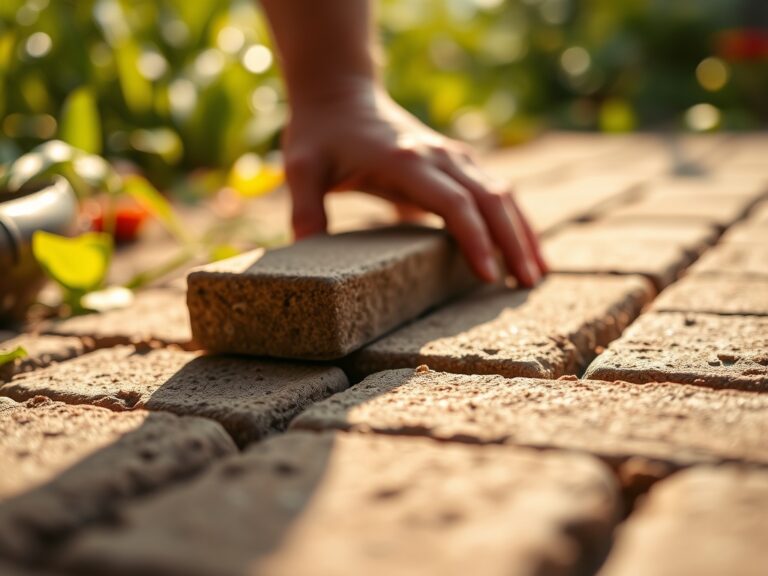
- Hardscape: Use non-porous stone or sealed concrete. Porous materials like unsealed terracotta can wick moisture away from the root zone, leading to localized drought stress.
- Hydration Tools: A digital soil moisture meter is mandatory. Maintain a volumetric water content (VWC) of 25 to 35 percent for most Araceae.
Timing:
Design and installation must align with USDA Hardiness Zones 9 through 11 for permanent outdoor placement. If you are in Zone 7 or 8, your tropical patio is a seasonal installation that must be decommissioned before the first frost. The biological clock of tropical plants is governed by the photoperiod. Most tropicals enter a state of reduced metabolic activity when day lengths drop below 11 hours.
Planting should occur when soil temperatures consistently remain above 65 degrees Fahrenheit. Cold shock occurs at 50 degrees Fahrenheit for many species, causing a cessation of cytoplasmic streaming. This stall in internal transport can lead to permanent vascular damage if the temperature does not recover within 12 hours. Monitor the transition from the vegetative stage to the reproductive stage; for many tropicals, this is triggered by a shift in the Red to Far-Red light ratio during late summer.
Phases:
Sowing and Propagation
Start seeds or cuttings in a high-humidity propagation chamber. For Canna or Ginger lilies, ensure the rhizomes are firm and free of soft rot. Plant rhizomes 3 to 4 inches deep with the growth points facing upward.
Pro-Tip: Maintain a consistent 75 degree Fahrenheit bottom heat. This stimulates auxin production in the basal nodes, which accelerates root initiation through the suppression of lateral bud growth until the root system can support the canopy.
Transplanting
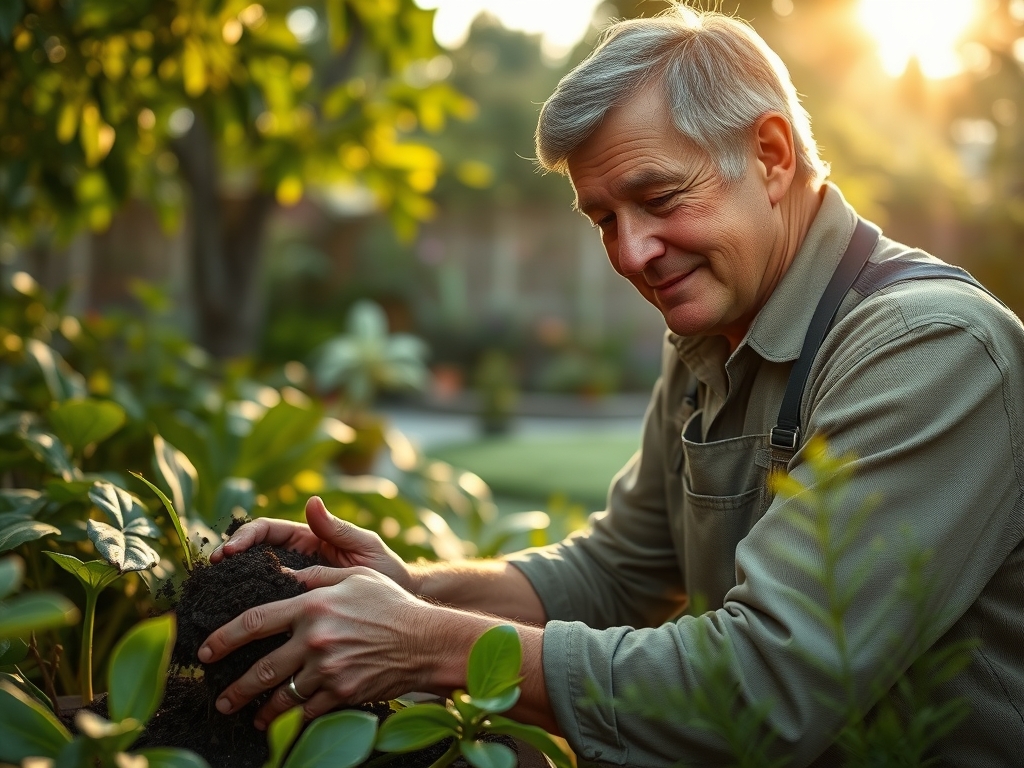
When moving plants to the patio, ensure the root ball is thoroughly hydrated. Dig a hole twice the width of the root ball but no deeper than the original container. Burying the crown of the plant can lead to stem rot and fungal pathogens.
Pro-Tip: Apply a mycorrhizal inoculant to the root zone during transplanting. This symbiotic relationship increases the effective surface area of the root system by up to 1,000 times, enhancing phosphorus uptake and drought resistance through fungal hyphae.
Establishing
During the first 21 days, the plant focuses on hydraulic reintegration. Shade the plants with 40 percent shade cloth if the midday sun exceeds 5,000 foot-candles. This reduces the transpiration rate while the roots are still settling.
Pro-Tip: Avoid heavy nitrogen fertilization during the first two weeks. High nitrogen levels can lead to excessive succulent growth that is highly susceptible to herbivory and wind damage before the lignin in the cell walls has hardened.
The Clinic:
Physiological disorders often mimic pathogen attacks. Accurate diagnosis requires a systematic review of the environmental variables.
Symptom: Interveinal Chlorosis (Yellowing between green veins).
Solution: This indicates an Iron (Fe) or Magnesium (Mg) deficiency. If it appears on new growth, it is likely Iron; if on old growth, it is Magnesium. Apply chelated iron or Epsom salts (Magnesium Sulfate) at a rate of 1 tablespoon per gallon of water.
Symptom: Leaf Tip Burn (Necrosis of the leaf margins).
Solution: This is often caused by salt accumulation from synthetic fertilizers or tap water. Flush the soil with 3 volumes of water for every 1 volume of pot size to leach excess salts from the rhizosphere.
Symptom: Epinasty (Downward curling or twisting of leaves).
Solution: Check for ethylene gas exposure or overwatering. Overwatering leads to root hypoxia, which triggers the production of ACC (1-aminocyclopropane-1-carboxylic acid), the precursor to ethylene, causing the plant to "choke."
Maintenance:
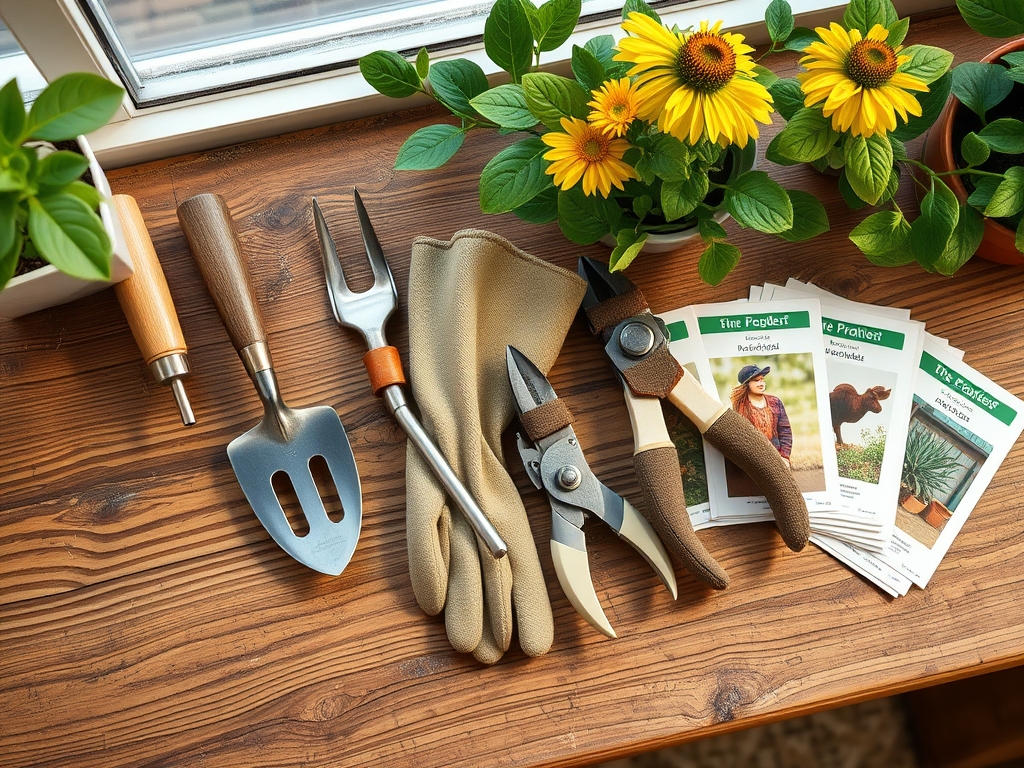
Precision maintenance is the difference between a surviving patio and a thriving one. Use a hori-hori knife to remove invasive weeds without disturbing the shallow root systems of your tropicals. Pruning should be done with bypass pruners to ensure clean, scissor-like cuts that heal faster than anvil-style cuts.
- Irrigation: Deliver 1.5 inches of water per week at the drip line. Avoid overhead irrigation after 4:00 PM to prevent water from sitting on the foliage, which encourages fungal spores to germinate.
- Sanitation: Remove senescent (dying) leaves immediately. As a leaf yellows, the plant withdraws mobile nutrients (N, P, K) to move them to new growth. Once the leaf is 50 percent brown, it becomes a host for saprophytic fungi and should be excised.
- Monitoring: Use a soil moisture meter daily during the first growing season. Aim for a "moist but not saturated" state, roughly 60 to 70 percent of field capacity.
The Yield:
For those growing tropicals like Bird of Paradise or Hibiscus for their blooms, timing the harvest is critical. Cut flowers in the early morning when the plant is at peak turgidity. Use a sharp blade to make a 45 degree angle cut.
Immediately plunge the stems into 100 degree Fahrenheit water containing a floral preservative. This "hardening off" process forces water up the xylem and prevents air embolisms from blocking the vascular tissue. For edible tropicals like Ginger or Turmeric, harvest the rhizomes after the foliage begins its natural senescence in late autumn. This ensures the maximum concentration of essential oils and starches in the storage organs.
FAQ:
How often should I water my tropical patio?
Apply 1.5 inches of water weekly. Use a moisture meter to ensure the top 2 inches of soil are dry before re-watering. This prevents root hypoxia and encourages deep root penetration into the substrate.
What is the best fertilizer for tropical plants?
Use a 3-1-2 NPK ratio. This provides high nitrogen for leaf development and sufficient potassium for cellular strength. Apply every 4 to 6 weeks during the active growing season for optimal biomass production.
Can I grow tropical plants in the shade?
Many tropicals, like Calathea and Monstera, thrive in filtered light (1,500 to 2,500 foot-candles). However, high-color species like Canna require at least 6 hours of direct solar radiation to maintain pigment density and flower production.
How do I protect my patio from cold snaps?
Move containers indoors if temperatures drop below 50 degrees Fahrenheit. For in-ground plants, apply a 4-inch layer of organic mulch and use frost blankets to trap geothermal heat around the crown and rhizosphere.