8 Vital Steps to Plant Winter Berries
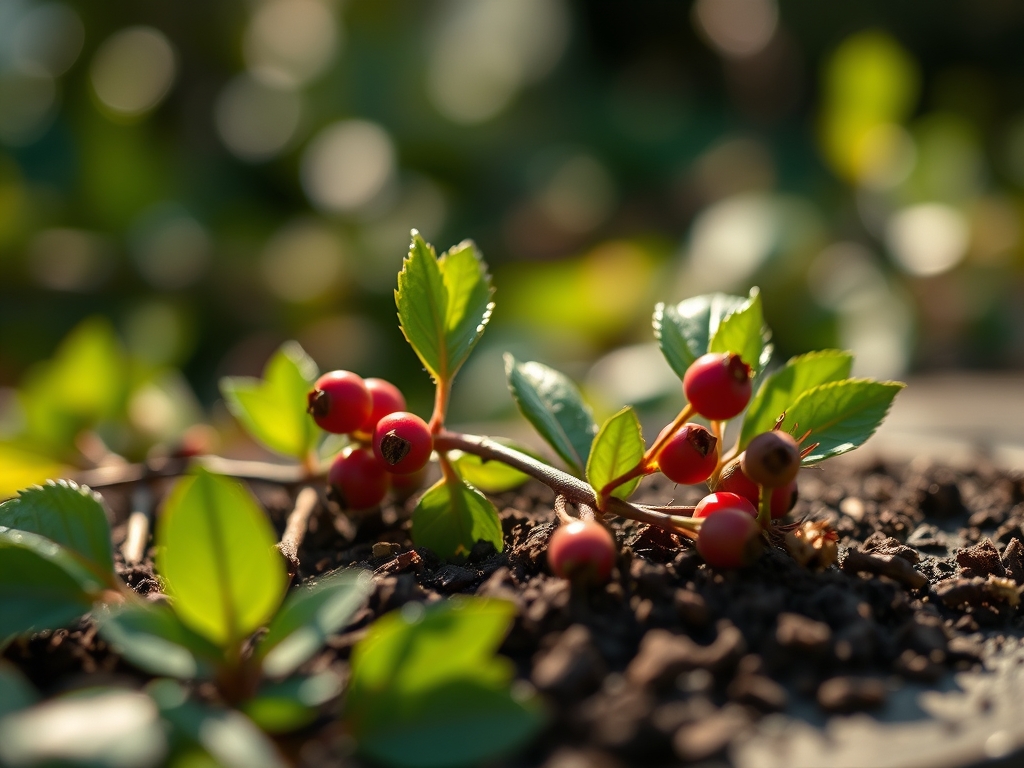
Damp earth yields a distinct, metallic scent as the shovel breaks the surface; it is the smell of geosmin and microbial activity signaling a healthy rhizosphere. Success in the dormant garden depends on the turgor pressure of the specimen and the precision of the installation. To master the steps to plant winter berries, one must look past the aesthetic and focus on the physiological requirements of species like Ilex verticillata or Symphoricarpos. Winter berries provide essential carbohydrates for local fauna during the caloric scarcity of January. These plants require a specific hormonal balance to transition from autumn senescence into winter dormancy while maintaining fruit persistence. You are not merely placing a shrub in a hole; you are engineering a micro-environment that supports vascular health through freezing cycles. The process requires an understanding of soil chemistry and thermal mass. By following these technical protocols, you ensure the plant establishes a robust root system capable of resisting desiccation when the ground freezes and liquid water becomes inaccessible to the root hairs.
Materials:
Substrate quality dictates the longevity of the planting. Winter berries generally prefer a **pH range of 4.5 to 6.0**, particularly for acid-loving hollies. The ideal substrate is a **friable loam** consisting of 40 percent sand, 40 percent silt, and 20 percent clay. This balance ensures adequate Cation Exchange Capacity (CEC) for nutrient retention while preventing anaerobic conditions.
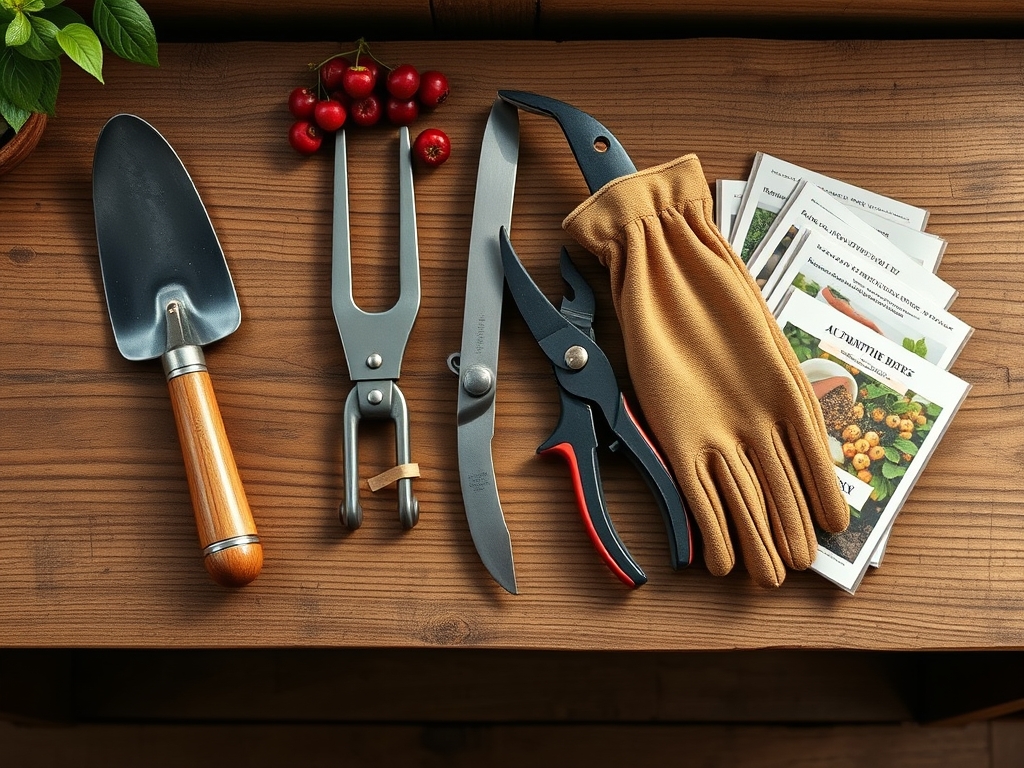
For fertilization, utilize a slow-release formula with an NPK ratio of 10-10-10 or a specialized 4-3-4 organic blend for acid-loving plants. High nitrogen levels late in the season can trigger soft vegetative growth that is susceptible to frost damage; therefore, phosphorus and potassium are prioritized for root development and cellular strength. You will also need elemental sulfur if your soil test indicates a pH above 6.5. Ensure you have high-quality organic mulch, such as pine bark or composted leaves, to regulate soil temperature.
Timing:
Hardiness Zones 3 through 9 are the primary theaters for winter berry cultivation. The optimal window for planting is the six-week period before the first hard freeze, typically when soil temperatures remain between 45 and 55 degrees Fahrenheit. This allows for "root-run" without the metabolic demand of leaf production.
The biological clock of the winter berry is governed by the photoperiod. As day length decreases, the plant shifts from the vegetative stage to a state of endodormancy. During this transition, auxins move toward the root tips to stimulate growth while the canopy enters senescence. Planting during this specific physiological window reduces transplant shock because the plant is not actively diverting energy to photosynthesis or apical expansion.
Phases:
Sowing and Site Selection
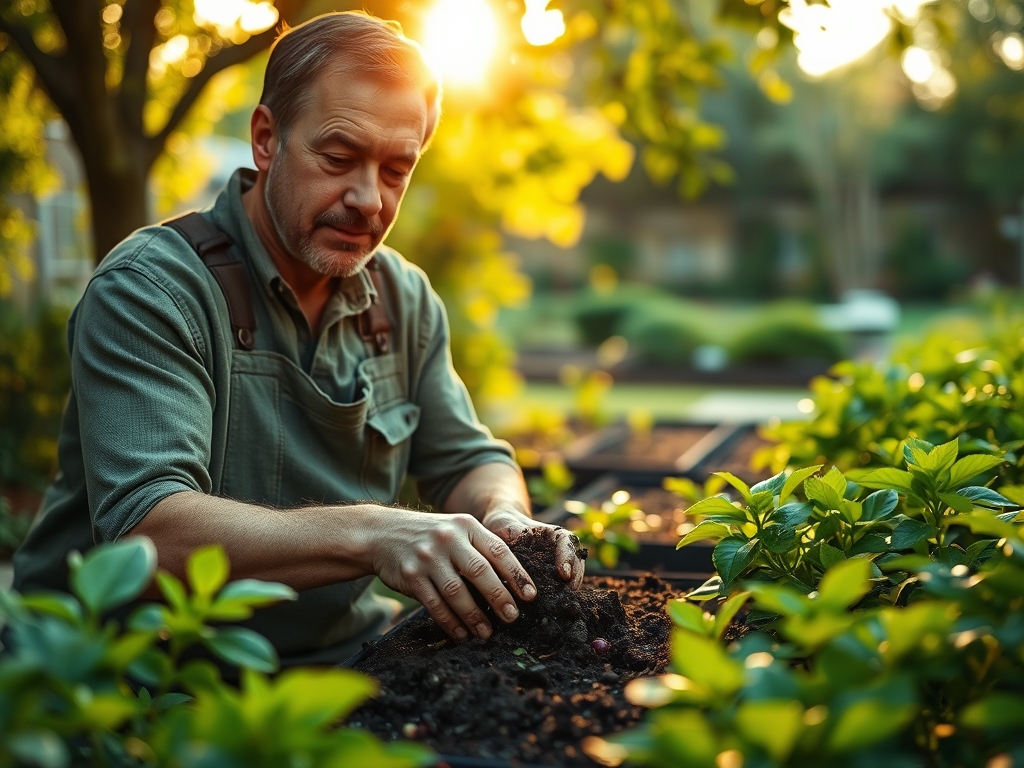
Select a site that receives a minimum of six to eight hours of direct sunlight to maximize berry production. While some species tolerate partial shade, fruit density is directly proportional to solar intake. Dig a hole two to three times the width of the root ball but no deeper than the original container.
Pro-Tip: Ensure the root flare remains visible at the soil surface. Biological Why: Deep planting causes stem suffocation and prevents gas exchange at the root crown, leading to opportunistic fungal infections and reduced vascular efficiency.
Transplanting
Remove the plant from its container and inspect the root architecture. Use a hori-hori knife to score any circling roots, which prevents future girdling. Place the specimen in the center of the pit and backfill with native soil. Avoid "amending the hole" exclusively with potting mix; this creates a "bathtub effect" where roots refuse to penetrate the denser native clay.
Pro-Tip: Inoculate the planting site with mycorrhizal fungi. Biological Why: This symbiotic relationship expands the surface area of the root system by up to 1,000 percent, significantly increasing the uptake of phosphorus and water during the winter months.
Establishing
Tamp the soil firmly to remove large air pockets but do not compact it to the point of reducing porosity. Apply a three-inch layer of mulch around the base, keeping it two inches away from the trunk. Saturate the area immediately with 5 to 10 gallons of water to settle the soil and ensure direct contact between the root hairs and the substrate.
Pro-Tip: For dioecious species like Ilex, ensure a male pollinator is within 50 feet of the female plants. Biological Why: Pollination requires insect vectors to transport pollen from the staminate (male) flowers to the pistillate (female) flowers during the spring bloom; without this proximity, the plant will not produce fruit.
The Clinic:
Physiological disorders often manifest as visual cues in the foliage or fruit.
- Symptom: Interveinal chlorosis (yellow leaves with green veins).
- Solution: This indicates a Nitrogen or Iron deficiency, often caused by high soil pH.
- Fix-It: Apply chelated iron or lower the pH with aluminum sulfate to increase nutrient availability.
- Symptom: Leaf scorch or marginal necrosis.
- Solution: This is typically a sign of desiccation or "winter burn."
- Fix-It: Increase irrigation frequency before the ground freezes and apply an anti-desiccant spray to the foliage.
- Symptom: Premature fruit drop.
- Solution: Often caused by extreme moisture fluctuations or lack of pollination.
- Fix-It: Maintain consistent soil moisture levels and verify the presence of a male pollinator for the specific cultivar.
Maintenance:
Precision maintenance is the difference between a surviving plant and a thriving one. Use a soil moisture meter to monitor the top six inches of the substrate. The plant requires 1.5 inches of water per week delivered at the drip line. Avoid overhead irrigation, which can promote leaf spot; instead, use drip lines or a soaker hose.
Pruning should be performed with bypass pruners during late winter while the plant is still dormant. Remove no more than one-third of the oldest canes to the ground each year to stimulate new, productive growth. This "renewal pruning" maintains the vigor of the shrub and ensures a continuous supply of young wood, which typically produces the highest berry yield.
The Yield:
Winter berries are primarily harvested for ornamental use in floral arrangements or left for wildlife. For indoor display, harvest the branches once the leaves have dropped and the berries have reached full color saturation. Use sharp bypass pruners to make clean, 45-degree cuts just above a lateral bud.
To maintain "day-one" freshness, sear the cut ends or place them immediately in cool water (40-50 degrees Fahrenheit). Keep the harvested branches in a cool environment away from direct sunlight and ripening fruit, as ethylene gas will accelerate berry abscission. If left on the shrub, the berries will persist until the sugar content reaches a point where birds consume them, usually after several freeze-thaw cycles have softened the fruit skins.
FAQ:
How much sun do winter berries need?
Winter berries require six to eight hours of full sun daily for maximum fruit production. While they can survive in partial shade, the berry yield will be significantly lower and the growth habit may become leggy and sparse.
Why is my winter berry not producing fruit?
Most winter berries are dioecious, meaning you need both a male and female plant. Ensure you have a compatible male pollinator within 50 feet of your female plants to facilitate pollination by bees during the spring flowering period.
What is the best soil for winter berries?
They thrive in moist, acidic soil with a pH between 4.5 and 6.0. The soil should be a friable loam rich in organic matter. They are unique among shrubs for their ability to tolerate poorly drained or heavy clay soils.
When should I prune my winter berry shrubs?
Prune in late winter or early spring before new growth begins. Use bypass pruners to remove older stems. Avoid pruning in the summer or fall, as this can remove the developing flower buds and reduce the following year's berry crop.