6 Basic Steps to Majesty Palm Tips
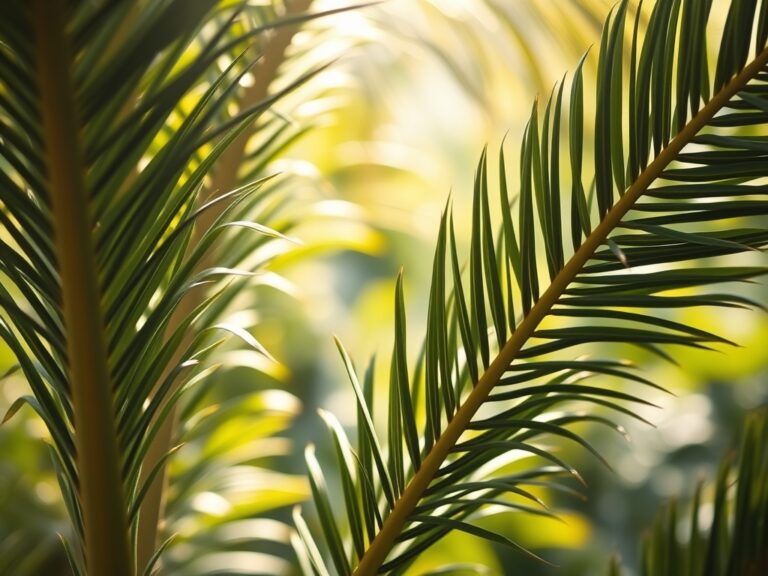
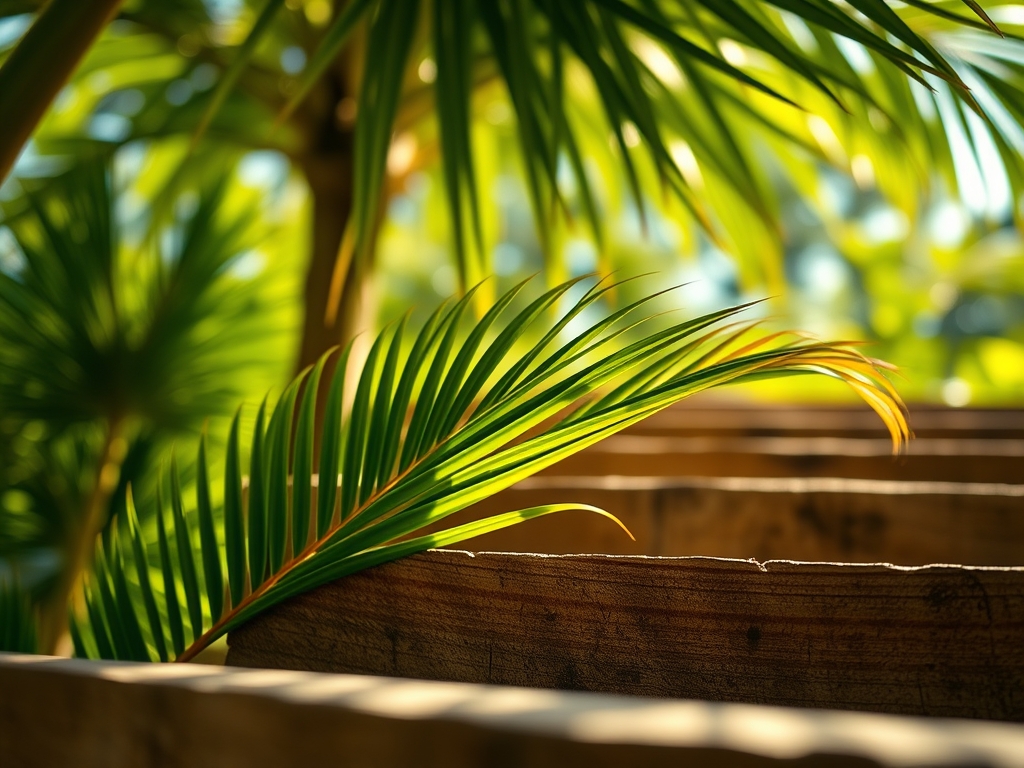
The scent of wet peat moss and the gritty texture of perlite under fingernails mark the beginning of successful indoor palm cultivation. Healthy Ravenea rivularis specimens exhibit high turgor pressure; their fronds stand rigid and arched rather than weeping toward the floor. To maintain this structural integrity, you must master the specific steps to majesty palm tips that prevent the common physiological decline seen in domestic environments. These palms are not desert dwellers; they are riverine species from Madagascar that require constant hydration and high atmospheric humidity to thrive.
Achieving success with this species requires a shift in perspective from standard houseplant care to specialized aquatic margin management. You are replicating a tropical riverbank where the soil remains saturated but oxygenated. When the leaf tips begin to desiccate, the plant is signaling a failure in its vascular transport system. Proper intervention involves balancing light intensity with precise hydraulic management to ensure the xylem can move water to the furthest extremities of the foliage.
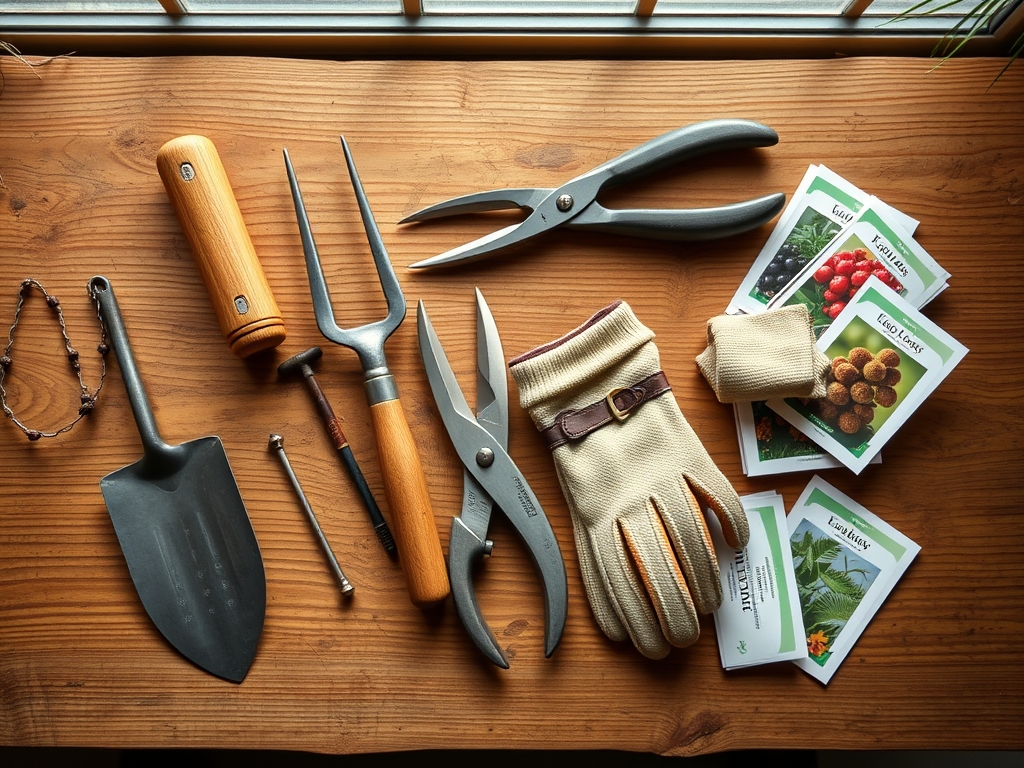
Materials:
Substrate selection is the foundation of palm health. You require a friable loam that facilitates a high Cation Exchange Capacity (CEC) while maintaining rapid drainage. The ideal soil pH for Ravenea rivularis sits between 5.0 and 6.0. Use a mix consisting of two parts peat moss or coconut coir, one part coarse builder's sand, and one part perlite. This combination ensures the rhizosphere remains moist without becoming anaerobic.
Fertilization must be consistent during the active growth phase. Use a slow release fertilizer with an NPK ratio of 18-6-12. Majesty palms are heavy feeders of micronutrients; ensure your supplement includes at least 1.0% Magnesium (Mg) and 0.5% Manganese (Mn). Manganese deficiency is a primary cause of "frizzle top," where new growth emerges stunted and chlorotic. Avoid standard potting soils with high lime content as they raise the pH and lock out essential metallic ions.
Timing:
Majesty palms are suited for outdoor growth in USDA Hardiness Zones 9b through 11. In these regions, the biological clock for transplanting aligns with the end of the frost window, typically when soil temperatures consistently exceed 65 degrees Fahrenheit. For indoor specimens, the vegetative growth stage is triggered by increasing photoperiods in late March.
The transition from the dormant winter phase to the active vegetative phase requires a gradual increase in irrigation. Do not fertilize during the winter months when light levels fall below 200 foot-candles. Wait for the first sign of a new spear leaf emerging from the crown before initiating your high nitrogen feeding schedule. This ensures the plant has the metabolic capacity to process the nutrients without risking salt buildup in the root zone.
Phases:

Sowing and Germination
Commercial majesty palms are rarely grown from seed by hobbyists due to the 12-month germination window and the requirement for constant 85 degree Fahrenheit bottom heat. If attempting, seeds must be scarified and soaked in distilled water for 24 hours.
Pro-Tip: Maintaining high soil temperatures during germination increases the rate of cellular division in the embryo. This is because heat serves as a catalyst for the enzymatic breakdown of the endosperm, providing the necessary glucose for the emerging radicle.
Transplanting
When the roots begin to circle the base of the container, move the plant to a pot only 2 inches wider in diameter. Use a hori-hori knife to gently loosen the outer roots if they have become pot-bound. Ensure the root flare sits exactly at the soil line. Burying the trunk too deep leads to adventitious root rot.
Pro-Tip: After transplanting, apply a seaweed extract solution to the soil. The natural cytokinins in seaweed stimulate lateral root branching and help the plant overcome transplant shock by regulating water loss through the stomata.
Establishing
During the first six weeks after a move, maintain a strict humidity level of 60% to 70%. Use a soil moisture meter to ensure the root ball never drops below a "4" on a scale of 1 to 10. The palm is establishing its vascular network in the new substrate; any drying during this phase will result in immediate tip necrosis.
Pro-Tip: Position the palm near a north or east-facing window to utilize bright, indirect light. This prevents photo-inhibition, where excessive light energy damages the chlorophyll molecules before the root system is robust enough to support rapid transpiration.
The Clinic:
Physiological disorders in majesty palms often manifest as visible changes in leaf color or texture.
Symptom: Yellowing of older, lower fronds while new growth remains green.
Solution: This is typically Nitrogen chlorosis. Nitrogen is a mobile nutrient; the plant scavenges it from old leaves to support new growth. Increase your 18-6-12 fertilizer frequency.
Symptom: Small, necrotic spots or "frizzled" emerging leaves.
Solution: This indicates a Manganese deficiency. Apply a chelated manganese sulfate drench to the soil. Check your water pH; if it is above 7.0, the plant cannot uptake manganese regardless of its presence in the soil.
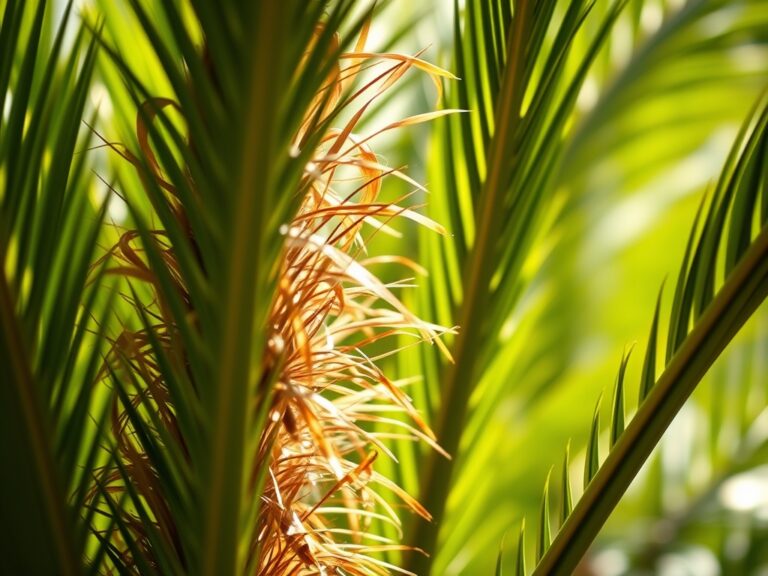
Symptom: Brown, crispy leaf tips.
Solution: Low atmospheric humidity or fluoride toxicity. Switch to filtered water and utilize a humidifier to keep the air saturated.
Fix-It for Salt Accumulation: If you notice a white crust on the soil surface, the Cation Exchange Capacity is saturated with mineral salts. Flush the pot with a volume of water equal to three times the pot size to leach out excess sodium and fertilizer residues.
Maintenance:
Precision is the difference between a surviving palm and a thriving one. Provide 1.5 inches of water per week, ensuring the water reaches the drip line of the fronds. Do not pour water directly into the crown, as this promotes fungal pathogens in the apical meristem.
Use bypass pruners to remove entirely brown fronds. Do not remove leaves that are still partially green; the palm is still relocating mobile nutrients from those tissues to the center of the plant. Sterilize your tools with 70% isopropyl alcohol between every cut to prevent the spread of vascular pathogens. For dust management, wipe the adaxial surface of the leaves with a damp cloth every 14 days. This keeps the stomata clear for gas exchange and maximizes the efficiency of photosynthesis.
The Yield:
While the majesty palm does not produce edible fruit in an indoor setting, the "yield" is measured in biomass and frond count. A healthy specimen should produce 3 to 5 new fronds per growing season. To maintain the aesthetic quality of the foliage after pruning, cut the petiole at a 45-degree angle approximately one inch from the main trunk. This allows the remaining tissue to undergo natural senescence and seal the wound quickly, preventing opportunistic infections from entering the vascular system.
FAQ:
How much light does a majesty palm need?
They require 6 to 8 hours of bright, indirect light daily. Avoid direct afternoon sun, which causes leaf scorch. A placement near an east-facing window provides the necessary 200 to 400 foot-candles for optimal photosynthesis.
Why are my palm leaves turning brown?
Brown tips usually indicate low humidity or underwatering. Ensure ambient humidity stays above 50%. If the browning is uniform across the leaf, check for salt buildup in the soil and flush with distilled water.
How often should I fertilize?
Apply a balanced, slow-release palm fertilizer every 6 to 8 weeks during the spring and summer. Ensure the formula contains supplemental magnesium and manganese to prevent common micronutrient deficiencies and maintain deep green foliage.
What is the best temperature for majesty palms?
Maintain a consistent range between 65 and 85 degrees Fahrenheit. Avoid placing the plant near cold drafts or heating vents, as rapid temperature fluctuations disrupt the plant's metabolic processes and lead to premature leaf drop.