10 Pro Tips How to Care for Dracaena Marginata
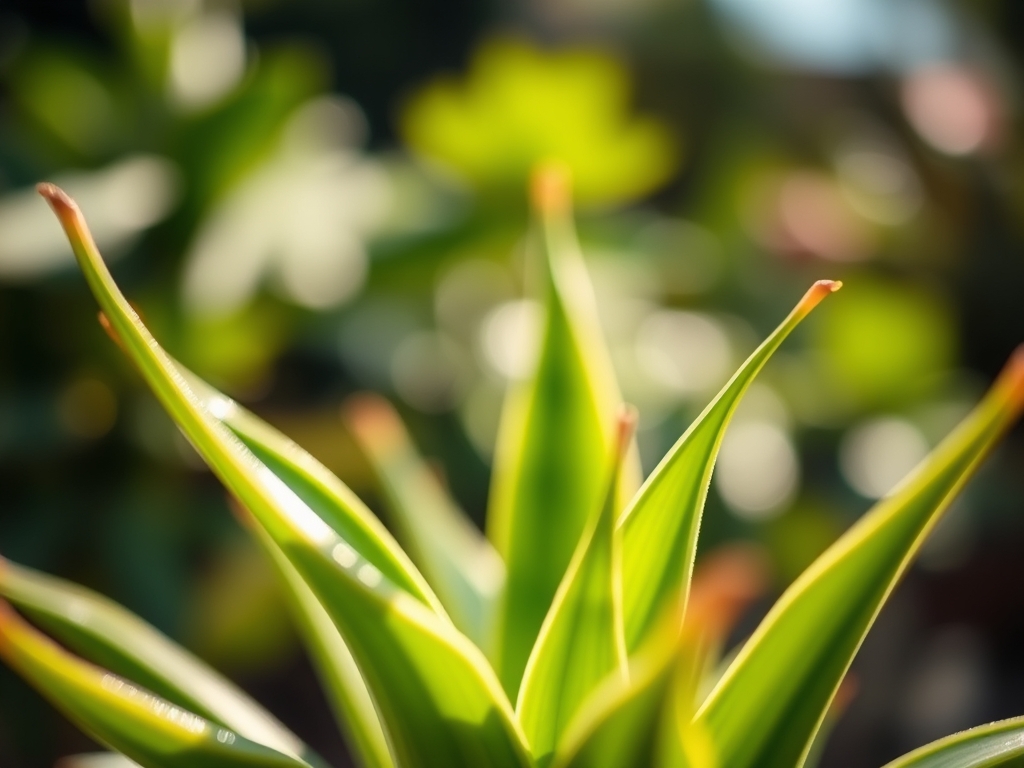
The scent of damp pine bark and the sharp, metallic tang of sterilized steel bypass pruners define the workspace of a serious indoor horticulturalist. To maintain the rigid turgor pressure required for those sword-like leaves to stand upright, you must master the physiological demands of the Madagascar Dragon Tree. Learning how to care for dracaena marginata requires more than casual watering; it demands an understanding of cellular hydration and light intensity measured in foot-candles. This species thrives when its rhizosphere is managed with precision, mimicking the subtropical conditions of its native environment while adjusting for the lower humidity levels found in modern residential or office interiors.
Materials:
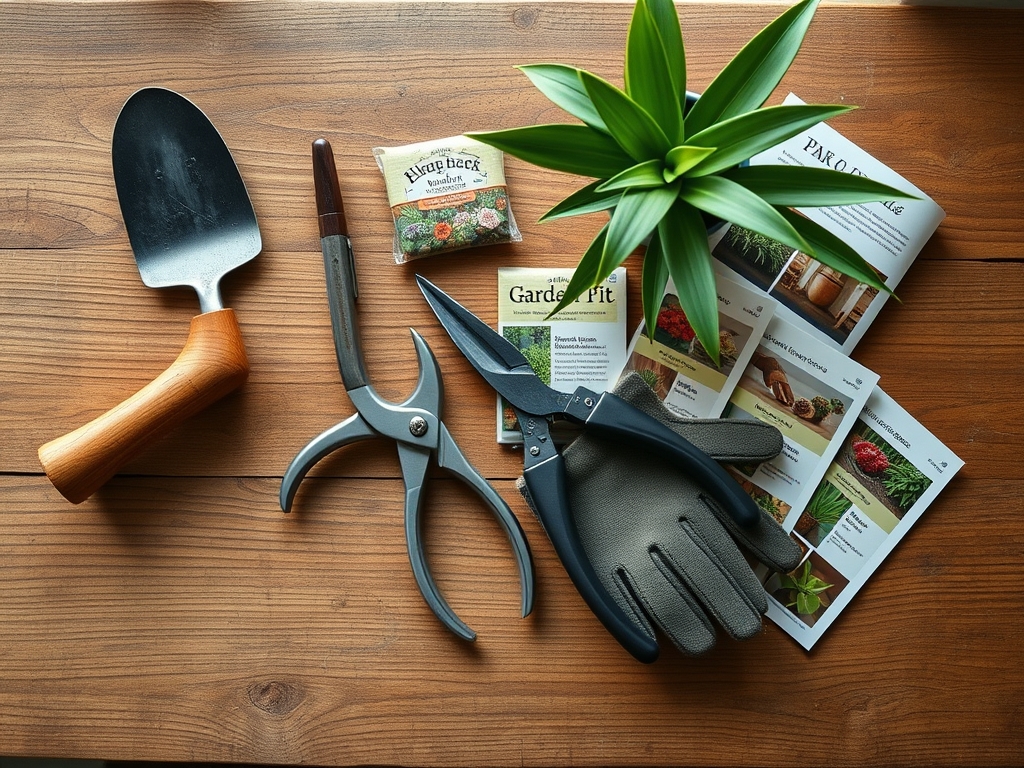
Success begins with the substrate. Dracaena marginata requires a **friable loam** that facilitates rapid drainage while maintaining a **Cation Exchange Capacity (CEC)** high enough to retain essential micronutrients. The ideal soil pH ranges from **6.0 to 6.5**. Use a potting mix composed of two parts peat moss or coconut coir, one part pine bark fines, and one part coarse perlite.
For fertilization, utilize a liquid-soluble NPK ratio of 3-1-2 during the active growing season. This specific ratio supports leaf elongation without forcing excessive, weak stem growth. Avoid fertilizers with high fluoride content, as this species is highly sensitive to fluoride toxicity, which manifests as necrotic leaf tips. Ensure your water source is filtered or has sat for 24 hours to dissipate chlorine.
Timing:
Dracaena marginata is hardy in USDA Zones 10 through 12. For those in temperate climates, this is strictly an indoor specimen or a seasonal patio plant that must be moved inside when ambient temperatures drop below 55 degrees Fahrenheit (12.7 degrees Celsius).
The biological clock of the plant is dictated by the photoperiod. During the spring and summer, the plant enters its primary vegetative stage, requiring consistent nitrogen levels and increased hydration. As the winter solstice approaches and light intensity diminishes, the plant enters a period of relative dormancy. During this phase, metabolic processes slow, and the rate of evapotranspiration decreases significantly. Do not attempt major pruning or repotting during this low-energy state, as the plant lacks the carbohydrate reserves to seal wounds or establish new root hairs quickly.
Phases:

Sowing and Propagation
While seeds are available, propagation is most effective via stem cuttings. Take a 4 to 6-inch terminal cutting using a sterilized blade. Remove the lower foliage to expose the nodes where the concentration of undifferentiated meristematic cells is highest.
Pro-Tip: Dip the basal end in a rooting hormone containing Indole-3-butyric acid (IBA). This stimulates auxin production at the wound site, signaling the plant to divert energy from leaf maintenance to adventitious root formation.
Transplanting
When the root ball becomes pot-bound, evidenced by roots circling the interior of the vessel, transplant into a container only 2 inches wider in diameter than the current one. Over-potting leads to an excess of "perched water tables" in the soil, where the bottom layer remains saturated because the root system cannot reach it to draw moisture.
Pro-Tip: Incorporate endomycorrhizal fungi into the new potting hole. This creates a mycorrhizal symbiosis, extending the root system's reach and improving the uptake of phosphorus and water through fungal hyphae.
Establishing
Position the plant in a location receiving 150 to 400 foot-candles of light. If the plant leans excessively, it is reacting to phototropism, where cells on the shaded side of the stem elongate faster than those on the light side.
Pro-Tip: Rotate the container 90 degrees weekly. This ensures an even distribution of light across the canopy, preventing the lopsided growth caused by auxin suppression on the illuminated side of the plant.
The Clinic:
Physiological disorders in Dracaena marginata are often the result of chemical imbalances in the water or soil.
- Symptom: Necrotic Brown Tips.
- Solution: This is typically Fluoride Toxicity. Flush the soil with three times the volume of the pot using distilled water to leach accumulated salts and minerals.
- Symptom: Lower Leaf Yellowing (Chlorosis).
- Solution: If the veins remain green but the tissue yellows, it is likely Magnesium deficiency. Apply a solution of 1 tablespoon of Epsom salts per gallon of water to restore chlorophyll production.
- Symptom: Soft, Dark Brown Roots.
- Solution: This indicates Pythium root rot caused by anaerobic conditions. Remove the plant, excise decayed tissue with a hori-hori knife, and repot in fresh, well-aerated substrate.
- Symptom: Nitrogen Chlorosis.
- Fix-It: If new growth is pale and stunted, the plant is scavenging nitrogen from older leaves. Apply a high-nitrogen foliar spray for immediate uptake while adjusting the soil NPK balance.
Maintenance:
Precision maintenance prevents the need for emergency intervention. Use a soil moisture meter to verify that the top 2 inches of soil are dry before adding water. On average, the plant requires the equivalent of 1 inch of water per week, delivered directly to the soil surface to avoid crown rot.
Pruning should be performed with bypass pruners to ensure clean cuts that heal quickly. If the plant becomes "leggy," you can perform a heading cut at any height on the cane. This removes the apical dominance, forcing the lateral buds to break and produce multiple new heads. Use a damp microfiber cloth to wipe dust from the leaves monthly; dust buildup reduces the efficiency of the stomata, hindering gas exchange and photosynthesis.
The Yield:
While Dracaena marginata is not an edible crop, its "yield" is measured in biomass and aesthetic structural integrity. For those propagating for resale or gifting, harvest stem cuttings only when the parent plant has reached a minimum height of 24 inches. To maintain "day-one" freshness in cuttings, immediately plunge the base into room-temperature water treated with a drop of liquid seaweed extract to reduce transplant shock and maintain cellular turgor.
FAQ:
How much light does a Dracaena marginata need?
It thrives in bright, indirect light between 150 and 400 foot-candles. Avoid direct afternoon sun, which causes leaf scorch and permanent damage to the photosynthetic tissue. Low light is tolerated but results in slower growth and thinner canes.
Why are the bottom leaves falling off my plant?
If the leaves are yellowing and dropping one by one from the bottom, this is likely natural senescence. The plant reclaims nutrients from older foliage to support new growth at the apex. Ensure it is not a watering issue first.
How often should I fertilize my Dragon Tree?
Apply a balanced 3-1-2 NPK liquid fertilizer at half-strength once every four weeks during the spring and summer. Cease all fertilization during the winter months when the plant's metabolic rate drops and nutrient demand is minimal.
What is the best temperature for Dracaena marginata?
Maintain a consistent range between 65 and 80 degrees Fahrenheit. Temperatures below 55 degrees can cause cellular collapse and cold injury, while temperatures above 90 degrees without adequate humidity may lead to rapid desiccation and leaf drop.