10 Pro Tips How to Care for Parlor Palms
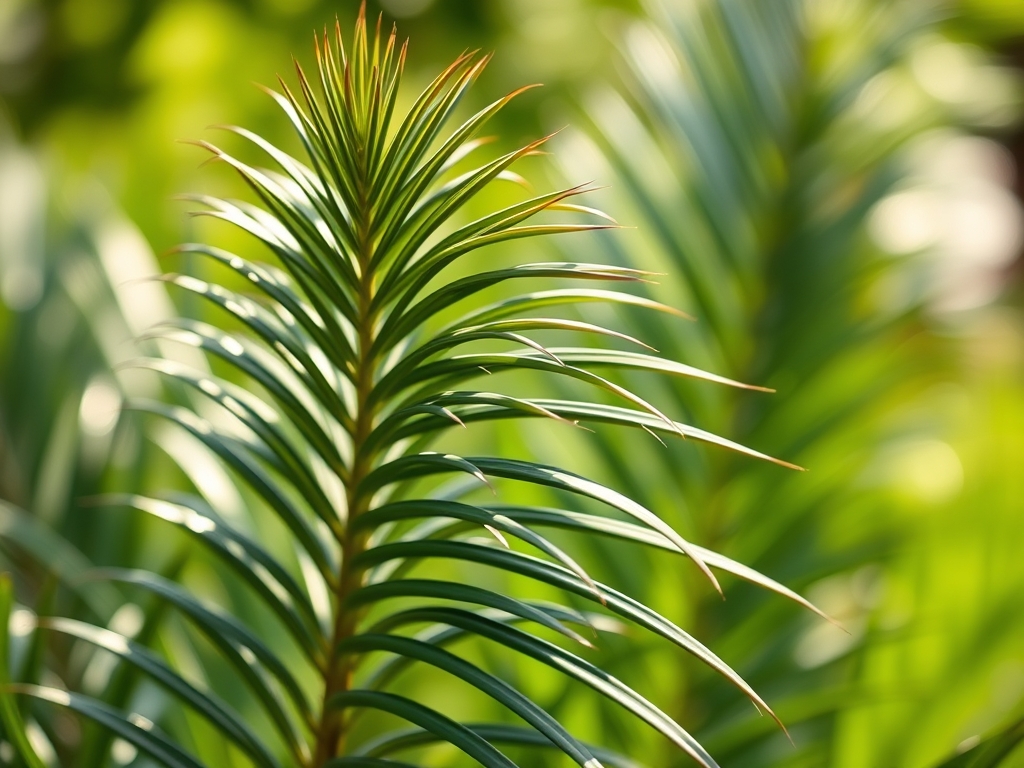
Turgor pressure dictates the structural integrity of Chamaedorea elegans. When the rhizosphere maintains a consistent moisture level, the pinnate fronds stand rigid and architectural. A healthy Parlor Palm smells of wet mineral salts and damp humus. To master how to care for parlor palms, one must move beyond casual observation and adopt a rigorous schedule of monitoring light intensity and soil saturation. These plants are survivors of the understory; they demand precision in their neglect.
The Parlor Palm is a slow-growing monocot that relies on a dense root system to regulate nutrient uptake. In the wild, they occupy the shaded floors of rainforests in Southern Mexico and Guatemala. In a domestic setting, they require a specific balance of atmospheric humidity and subterranean drainage. Overwatering is the primary cause of mortality. A palm with yellowing lower fronds is often experiencing the onset of root rot or a nitrogen deficiency. Precision in irrigation and fertilization determines whether the plant merely survives or actually thrives over its decade-long lifespan.
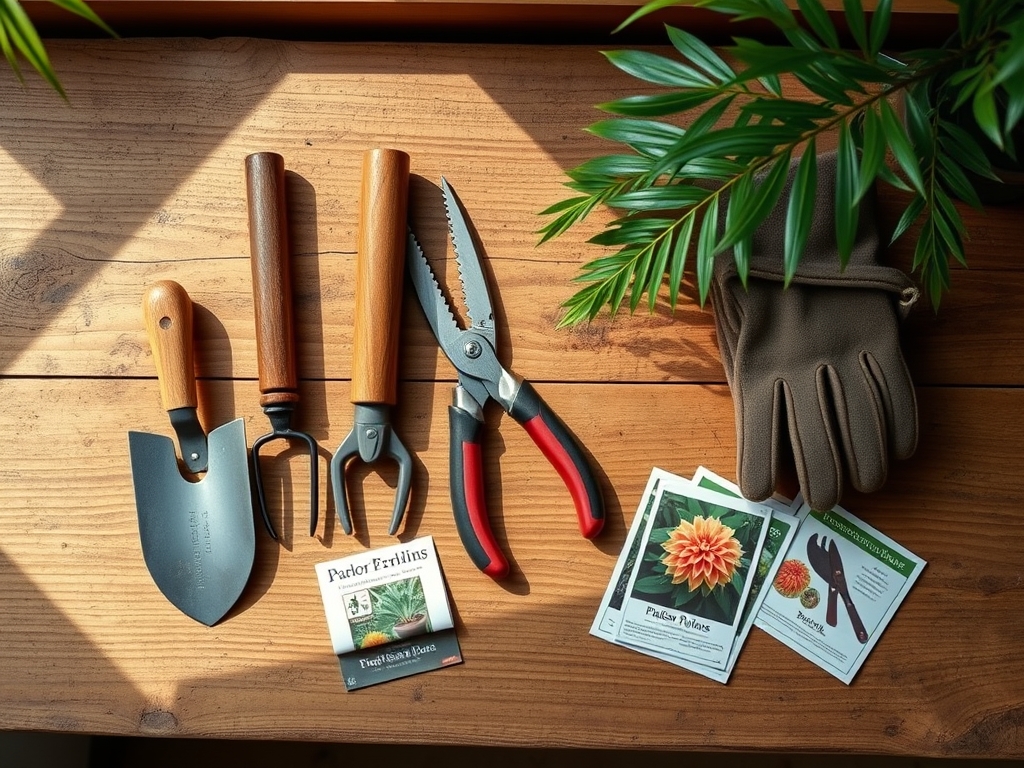
Materials:
Successful cultivation begins with a substrate that balances Cation Exchange Capacity (CEC) with aeration. The ideal medium is a **friable loam** consisting of two parts peat moss, one part pine bark, and one part coarse perlite. This mixture ensures the soil does not compact around the delicate roots.
- Soil pH: Maintain a range of 5.1 to 7.5. Slightly acidic conditions facilitate better micronutrient availability.
- NPK Ratio: During the active growing season, apply a liquid fertilizer with a 3-1-2 ratio. High nitrogen (N) supports frond development, while potassium (K) regulates water movement within the plant tissues.
- Substrate Texture: The soil must feel gritty between the fingers. Fine silts or heavy clays will suffocate the roots by eliminating oxygen pockets.
Timing:
Parlor Palms are typically rated for USDA Hardiness Zones 10 through 12. They are highly sensitive to thermal fluctuations. The biological clock of Chamaedorea elegans is governed by the photoperiod; as daylight hours increase in the spring, the plant enters its vegetative growth phase.
Growth slows significantly when temperatures drop below 50 degrees Fahrenheit (10 Celsius). If the plant is kept outdoors, it must be moved inside well before the first frost date. The transition from vegetative growth to the production of its small, yellow inflorescences usually occurs in late winter or early spring if the plant has reached maturity. This reproductive stage requires consistent energy, so avoid repotting or pruning during this window to prevent unnecessary stress on the plant's resources.
Phases:
Sowing and Propagation
Chamaedorea elegans is primarily grown from seed rather than division. Seeds must be fresh; viability drops sharply after three months. Sow seeds in a shallow tray at a depth of 0.5 inches in a sterile starting mix. Maintain a constant soil temperature of 80 to 85 degrees Fahrenheit using a germination mat.
Pro-Tip: Utilize a bottom-heat source to trigger the metabolic enzymes required for germination. Biological Why: High soil temperatures simulate the tropical forest floor, signaling the embryo to break dormancy and initiate the radical.
Transplanting
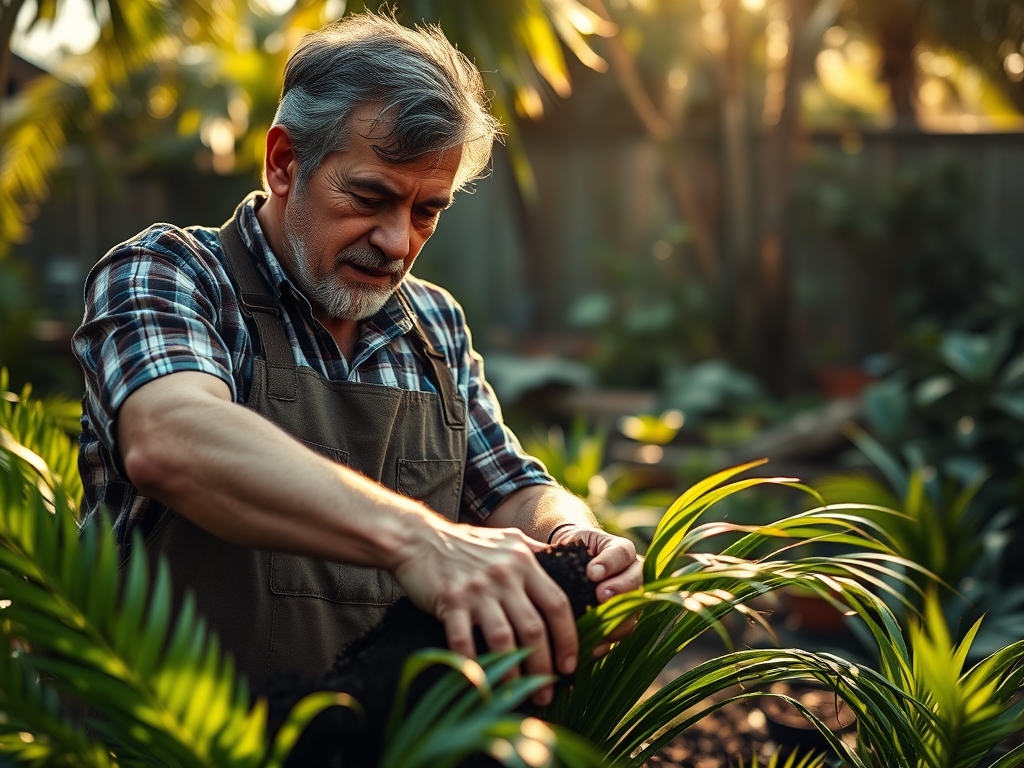
Transplant only when the plant is significantly root-bound, typically every two to three years. Choose a pot only 2 inches wider than the current one. Use a hori-hori knife to gently loosen the outer roots if they have begun to circle the root ball.
Pro-Tip: Avoid burying the crown of the palm deeper than its original soil line. Biological Why: Deep planting restricts oxygen access to the root flare, leading to stem rot and the inhibition of auxin transport from the apical meristem.
Establishing
Once moved to a new vessel, the palm requires a period of stabilization. Place it in a location with 75 to 150 foot-candles of light. Avoid direct southern exposure, which can cause solar radiation to bleach the chlorophyll from the leaves.
Pro-Tip: Maintain high humidity (above 50 percent) during the first month after transplanting. Biological Why: Elevated humidity reduces the vapor pressure deficit (VPD), allowing the plant to retain turgor while the root system recovers from the mechanical stress of moving.
The Clinic:
Physiological disorders in Parlor Palms often manifest through foliar changes. Use the following diagnostic criteria to identify and resolve issues.
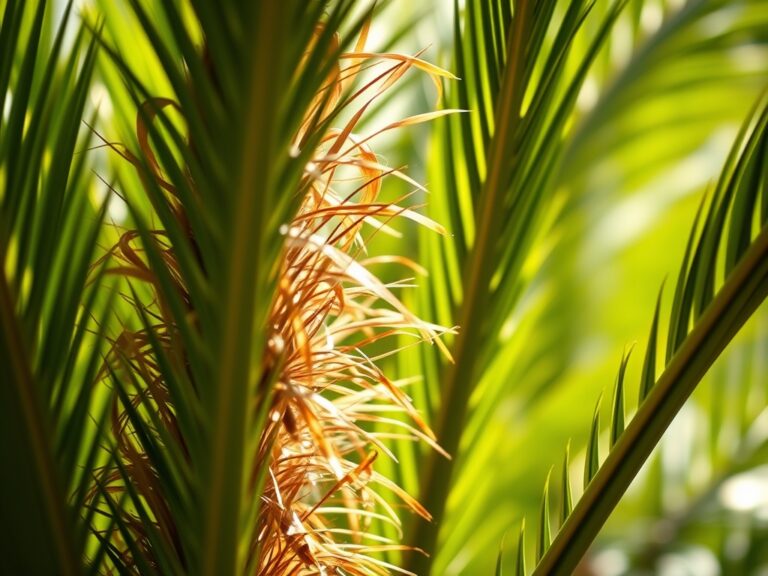
- Symptom: Brown Leaf Tips. This is usually a sign of low humidity or chemical salts from tap water.
- Solution: Switch to distilled water or rainwater. Use a soil moisture meter to ensure the top 1 inch of soil dries out between waterings.
- Symptom: Nitrogen Chlorosis (Uniform Yellowing). Older fronds turn pale green or yellow while new growth remains stunted.
- Fix-It: Apply a balanced 20-20-20 water-soluble fertilizer at half strength. Nitrogen is a mobile nutrient; the plant will pull it from older leaves to support new growth if the soil is depleted.
- Symptom: Leaf Spot (Fungal). Small brown spots with yellow halos appearing on the foliage.
- Solution: Improve air circulation and avoid overhead watering. Remove infected fronds using sterilized bypass pruners to prevent the spread of spores.
Maintenance:
Precision maintenance prevents the onset of senescence in older fronds. Monitor the plant weekly.
- Irrigation: Apply approximately 1 cup of water (or enough to reach the drip line in larger pots) once the top 25 percent of the substrate is dry. Do not allow the plant to sit in standing water; this leads to anaerobic conditions in the rhizosphere.
- Cleaning: Use a damp microfiber cloth to wipe dust from the fronds. Dust inhibits the stomata, reducing the plant's ability to perform gas exchange.
- Pruning: Only remove fronds that are entirely brown. Use bypass pruners to make a clean cut near the base of the stem. Never pull or tear the fronds, as this damages the fibrous trunk tissue.
- Light: Rotate the pot 90 degrees every month. This prevents phototropism, where the plant leans excessively toward the light source.
The Yield:
While the Parlor Palm is not an edible crop, its "yield" is its aesthetic longevity and air-filtering capabilities. For those using the palm in floral arrangements, cut the fronds at the base early in the morning when turgor pressure is at its highest. Immediately submerge the cut ends in 70-degree Fahrenheit water. This "day-one" freshness can be maintained for up to two weeks if the water is changed every three days to prevent bacterial buildup in the xylem.
FAQ:
How much light does a Parlor Palm need?
Parlor Palms thrive in medium to low indirect light, ideally between 75 and 150 foot-candles. Avoid direct afternoon sun, which scorches the fronds and causes permanent cellular damage to the leaf tissue.
Why are the tips of my palm leaves turning brown?
Brown tips typically indicate low humidity or the accumulation of fluoride and chlorine from tap water. Increase local humidity to 50 percent and use filtered or distilled water to prevent salt toxicity in the leaf margins.
How often should I fertilize my Parlor Palm?
Apply a liquid 3-1-2 NPK fertilizer once a month during the spring and summer. Cease fertilization during the winter months when the plant enters a semi-dormant state and metabolic activity slows significantly.
Can I grow a Parlor Palm from a cutting?
No, Parlor Palms cannot be propagated from leaf or stem cuttings. They are single-stemmed or clumping monocots that must be grown from seed or by carefully separating established clumps during the repotting phase.
Is the Parlor Palm safe for pets?
Chamaedorea elegans is non-toxic to dogs and cats according to the ASPCA. It is a safe choice for households with pets, though ingestion of any fibrous plant material may still cause mild gastrointestinal upset.