5 Quick Steps to Thin Carrot Seeds
Carrot seedlings emerge as a dense, feathery carpet of green thread, each sprout crowding its neighbor in a competition for light, water, and nutrients. Without intervention, this overcrowded tangle produces stunted, forked roots that twist around one another in the soil. The steps to thin carrot seeds transform this chaos into orderly rows of straight, uniform tapers. A sharp pair of scissors, steady hands, and precise timing determine whether your harvest yields market-grade specimens or gnarled curiosities fit only for compost.
Materials
Soil Amendments (pH 6.0-6.8):
Start with a complete soil test measuring cation exchange capacity and base saturation percentages. Apply balanced organic fertilizer formulated at 4-4-4 NPK three weeks before sowing. Incorporate composted manure aged at least twelve months to avoid excess nitrogen that encourages foliar growth at the expense of root development. Add rock phosphate at 2 pounds per 100 square feet to support root elongation. Sulfur or lime adjusts pH into the optimal range for calcium and phosphorus uptake.
Tools and Protective Equipment:
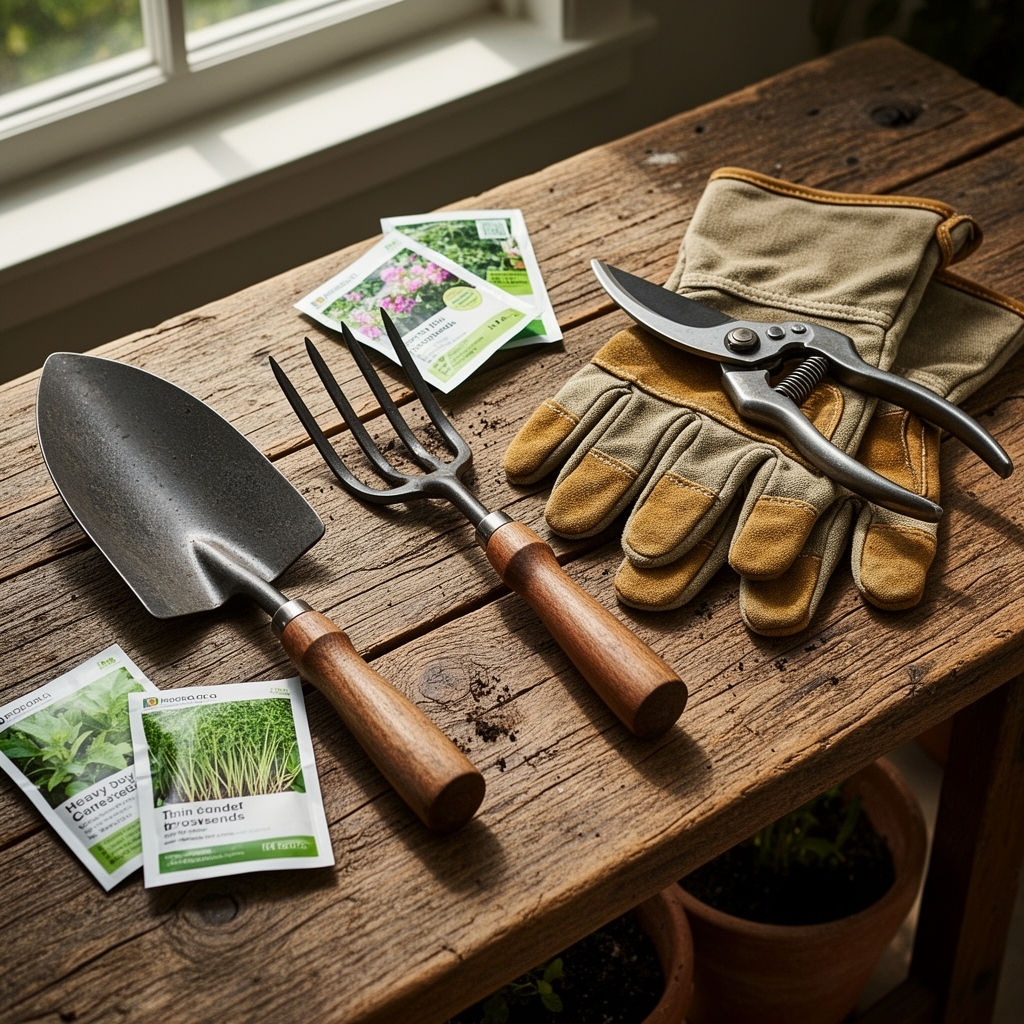
Small scissors with 2-inch stainless steel blades minimize root disturbance during thinning. Garden kneelers reduce lumbar strain during extended sessions. Disposable nitrile gloves protect hands from soil-borne pathogens and allow tactile sensitivity. Row markers with 3-inch spacing guide uniform thinning intervals. A watering can with a rose head delivers gentle irrigation without displacing seedlings.
Biological Inoculants:
Mycorrhizal fungi (Glomus intraradices) colonize carrot roots and extend phosphorus uptake radius by 100-fold. Apply granular inoculant at sowing time, mixing 1 teaspoon per linear foot directly into the seed furrow.
Timing
Hardiness Zones 3-5:
Sow seeds 2-4 weeks before the last expected spring frost. Soil temperature must reach 45°F at 2-inch depth for germination. Begin thinning when seedlings reach 2 inches in height, typically 14-21 days post-emergence. Complete the process before taproots exceed pencil width.
Hardiness Zones 6-9:
Direct-sow in early spring or late summer for fall harvest. Spring sowings occur 4 weeks before last frost. Fall sowings begin in mid-August, providing 10-12 weeks before the first hard freeze. Thin at the same 2-inch height threshold regardless of season.
Frost-Date Windows:
Carrots tolerate light frost and improve in sweetness after exposure to temperatures between 32-40°F. This cold triggers starch conversion to sugars through enzymatic action. Time final thinning to conclude 3 weeks before anticipated frost to allow roots to size properly.
Phases

Sowing Phase:
Mix carrot seeds with dry sand at a 1:10 ratio to achieve even distribution. Create furrows 0.25 inches deep using a hoe handle or dowel. Space rows 12 inches apart to permit air circulation that reduces foliar disease pressure. Firm soil over seeds using a board to ensure seed-to-soil contact. Water with 0.5 inches immediately after sowing.
Pro-Tip: Interplant radish seeds at 1 per foot as living row markers. Radishes germinate in 4-5 days and break soil crust, easing carrot emergence. Harvest radishes before they compete with developing carrots.
First Thinning (Initial Establishment):
When seedlings reach 2 inches and display two true leaves, begin thinning. Snip unwanted seedlings at soil level rather than pulling, which disturbs adjacent roots. Retain the sturdiest seedling every 1 inch. This first pass reduces competition by 70% while maintaining insurance against cutworm or damping-off losses.
Pro-Tip: Perform thinning in late afternoon when soil moisture reduces transplant shock risk for remaining seedlings. Auxin distribution peaks during evening hours, promoting rapid root re-establishment.
Second Thinning (Final Spacing):
At 4-6 inches in height and four true leaves, execute final thinning. Space remaining plants 3-4 inches apart depending on cultivar specifications. Nantes types require 3 inches; Imperator types need 4 inches for maximum length development. Remove thinnings carefully to avoid releasing volatile compounds that attract carrot rust fly (Psila rosae).
Pro-Tip: Immediately cover thinned rows with floating row cover weighted at edges. This physical barrier excludes egg-laying flies for 21 days post-thinning when damage risk peaks.
Troubleshooting
Symptom: Forked or twisted roots.
Solution: Excess nitrogen or compacted soil causes bifurcation. Test soil and reduce nitrogen inputs. Break up clay clods to 8-inch depth before sowing. Screen soil to remove stones larger than 0.5 inches.
Symptom: Damping-off (Pythium and Rhizoctonia spp.).
Solution: Poor drainage and cool soil temperatures favor fungal pathogens. Improve drainage with 2-inch compost layer. Delay sowing until soil reaches 50°F. Apply Trichoderma harzianum biological fungicide at seeding.
Symptom: Hairy or fibrous roots.
Solution: Water stress triggers secondary root proliferation. Maintain consistent soil moisture at 60-70% field capacity. Install drip irrigation on 12-hour intervals during root expansion phase.
Symptom: Pale, stunted growth.
Solution: Nitrogen deficiency or nematode damage. Side-dress with blood meal (12-0-0) at 1 pound per 100 square feet. If nematodes confirmed via soil test, solarize beds for 6 weeks or rotate with antagonistic mustard cover crops.
Symptom: Carrot rust fly larvae tunneling.
Solution: Adults lay eggs near crowns during thinning. Apply row covers before thinning. Alternate strategy: delay thinning until evening when fly activity ceases, then cover immediately.
Maintenance
Irrigate with 1 inch of water weekly, delivered in two 0.5-inch applications. Measure using rain gauge placed at soil level. Mulch with 2 inches of straw 4 weeks after emergence to suppress weeds and moderate soil temperature fluctuations. Hand-pull weeds within 2 inches of carrot crowns to avoid mechanical root damage.
Side-dress with compost tea (1:5 compost-to-water ratio, brewed 24 hours) every 3 weeks from thinning through root expansion. This supplies trace minerals without excess nitrogen. Monitor soil moisture with tensiometer; maintain readings between 20-30 centibars during bulking phase.
FAQ
When exactly should I thin carrot seedlings?
Thin when seedlings reach 2 inches tall with two true leaves, typically 14-21 days after emergence. A second thinning at 4-6 inches establishes final 3-4 inch spacing.
Can I transplant thinned carrots?
No. Carrot taproots suffer irreversible damage when disturbed. Transplanted seedlings produce deformed roots. Compost or consume thinned seedlings as microgreens instead.
How do I prevent gaps in thinned rows?
Sow seeds densely (15-20 per foot) and thin progressively. The two-stage approach maintains row continuity even with 10-15% germination failure or early seedling loss.
What spacing produces the largest carrots?
Four-inch spacing permits maximum root diameter development in Imperator and Chantenay types. Closer spacing yields higher total yield but smaller individual roots.
Should I fertilize after thinning?
Apply compost tea within 48 hours of thinning to accelerate recovery. Avoid high-nitrogen synthetic fertilizers that promote foliar growth over root development during this critical window.