7 Easy Ways How to Water Plants Correctly
The smell of wet soil after a proper watering triggers a chemical release called geosmin, signaling root systems to activate nutrient uptake pathways. Most plant mortality in home gardens stems from watering errors rather than disease or pests. Learning how to water plants correctly transforms survival rates and yield density. The difference between thriving specimens and wilted failures often comes down to timing, volume, and delivery method calibrated to root architecture and soil structure.
Materials
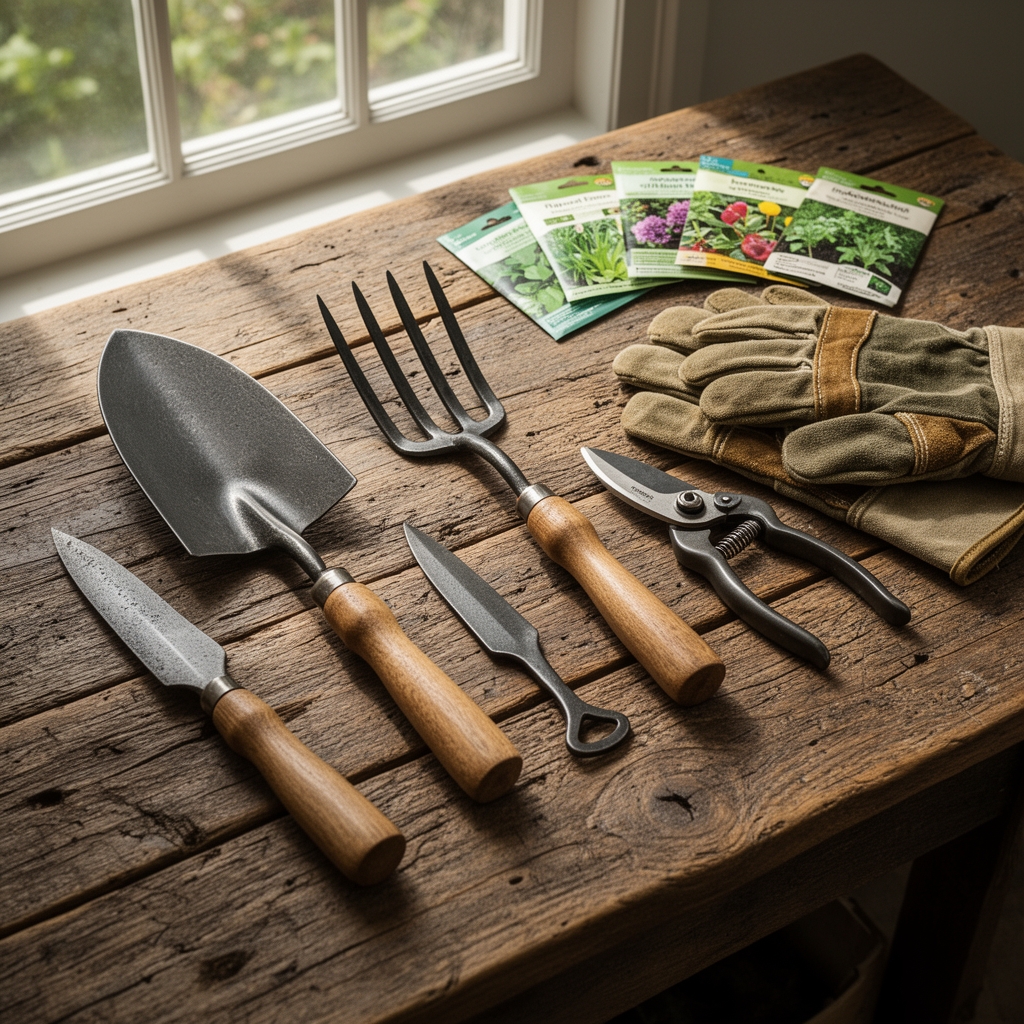
Effective irrigation requires more than a watering can. Select tools based on soil type and plant maturity stage.
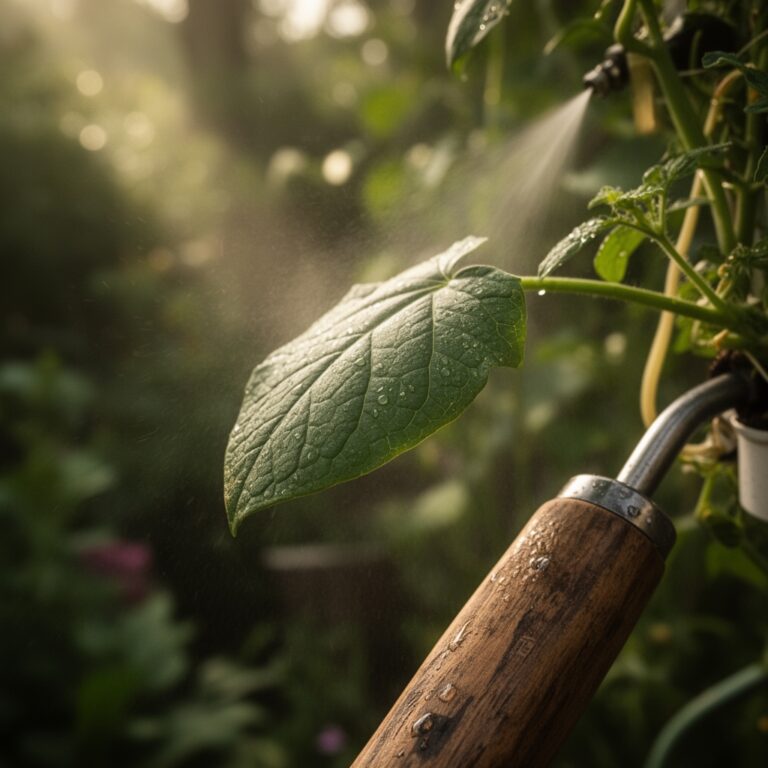
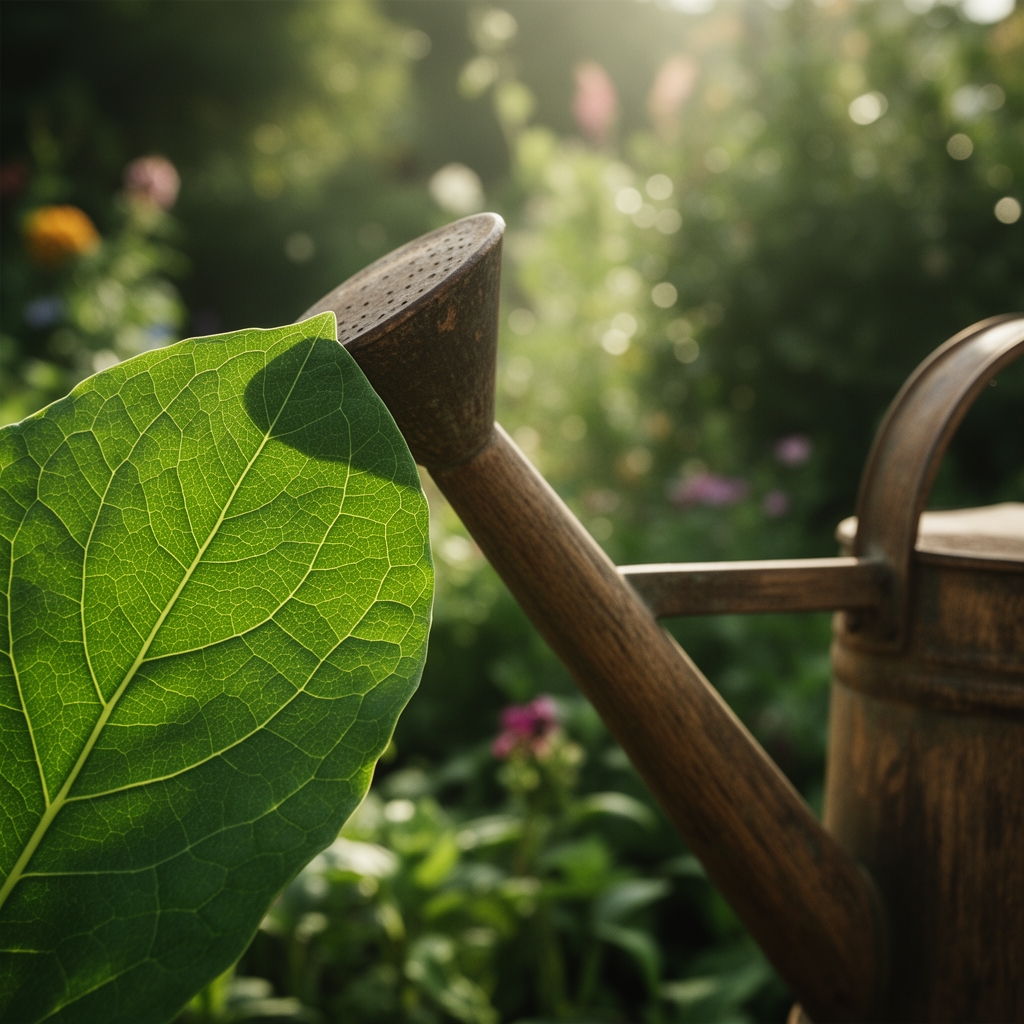
Watering Cans: Choose 2-gallon models with removable rose attachments. The rose disperses water into droplets that prevent soil compaction and protect emerging seedlings.
Soaker Hoses: Porous rubber delivers water directly to root zones. Ideal for beds with established perennials or vegetable rows. Reduces foliar moisture that encourages fungal pathogens.
Drip Irrigation: Emitters release 0.5 to 2 gallons per hour at each plant station. Critical for clay soils with slow infiltration rates. Pair with a timer for precision scheduling.
Moisture Meters: Digital probes measure volumetric water content at 6-inch depth. Removes guesswork from watering decisions in containers or raised beds.
Soil Amendments: Incorporate 2 inches of composted pine bark (pH 5.5-6.5) into sandy soils to increase water retention. For clay, add perlite at 1:4 ratio to improve drainage. Supplement established beds with a 4-4-4 organic meal annually to maintain cation exchange capacity and nutrient availability during active growth.
Timing
Watering schedules must align with regional climate patterns and hardiness zones. Morning irrigation between 5 a.m. and 9 a.m. allows foliage to dry before nightfall, reducing powdery mildew and botrytis pressure.
Zones 3-5: Water deeply twice per week from last frost (mid-May) through August. Reduce frequency in September as dormancy approaches.
Zones 6-7: Three waterings per week during June through August heat. Last spring frost typically occurs in mid-April. Begin tapering in late September.
Zones 8-10: Daily watering may be necessary for container plants during summer. Ground beds require 4-5 sessions weekly. Frost risk ends in February in most Zone 8 regions.
Adjust frequency based on rainfall. A rain gauge provides actual precipitation data. Subtract measured rainfall from weekly water budgets. Sandy soils require more frequent applications with lower volumes per session compared to loam or clay.
Phases
Watering protocols change dramatically across plant development stages. Root depth and density dictate delivery method and volume.
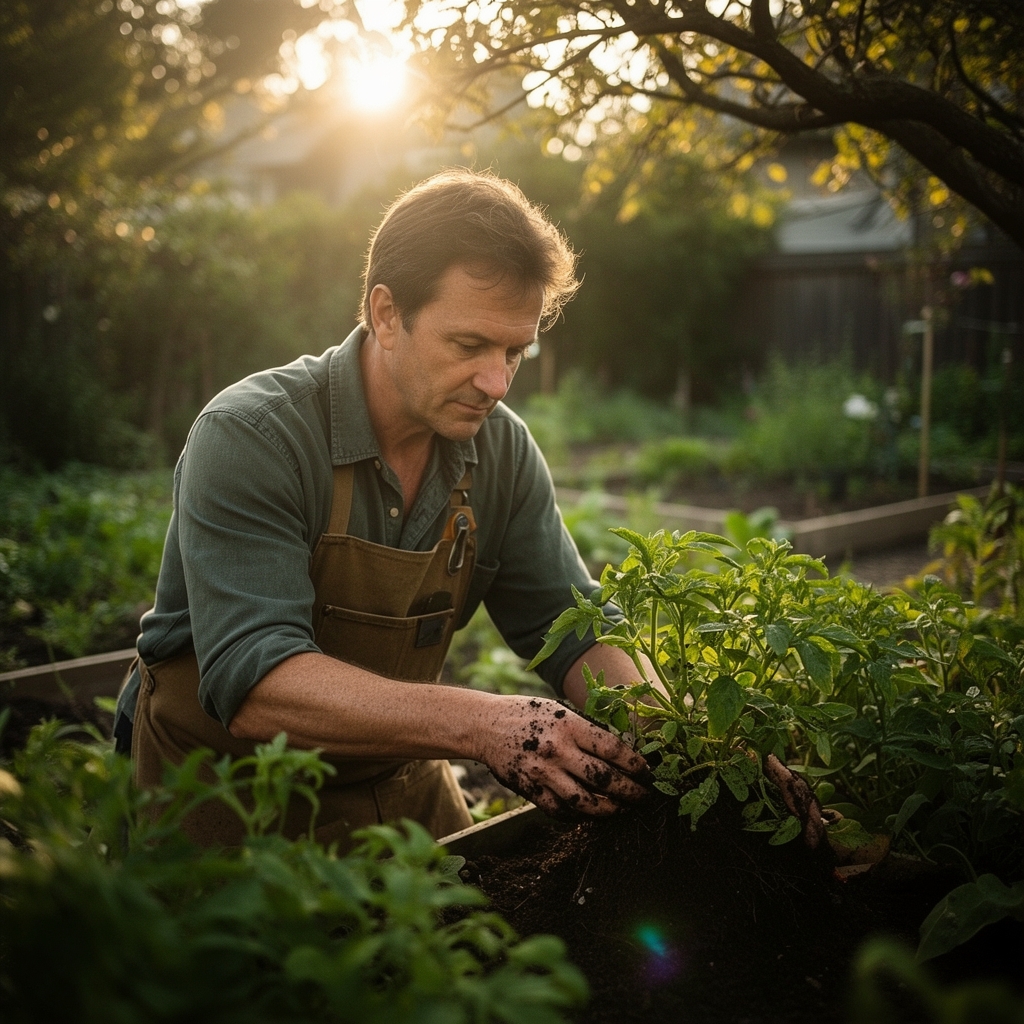
Sowing: Seeds need consistent moisture in the top 1 inch of soil. Water twice daily with misting attachments until germination completes (7-14 days for most species). Soil temperature should remain between 65-75°F. Drying out during this window causes irreversible embryo death.
Pro-Tip: Apply a mycorrhizal fungi inoculant (Rhizophagus irregularis strain) at seeding. Mix 1 teaspoon per square foot into the top inch. Fungal hyphae extend effective root surface area by 100-1000x, improving water uptake throughout the plant's life cycle.
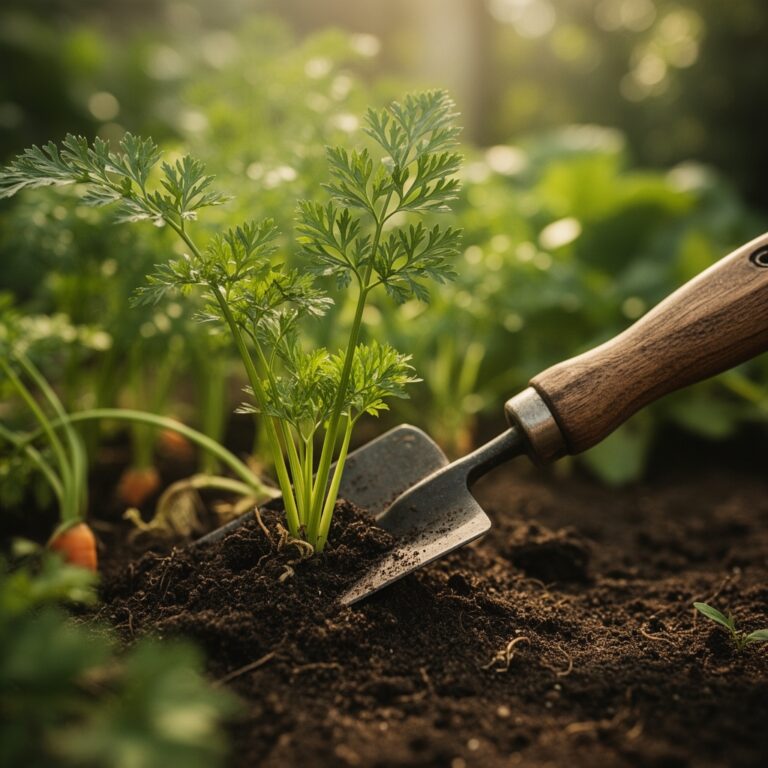
Transplanting: Saturate root balls 2 hours before moving seedlings. Dig holes twice the root ball width. Backfill and create a soil berm in a 6-inch radius around stems. Fill the basin with 1 gallon of water. This establishes a moisture reservoir that encourages lateral root expansion.
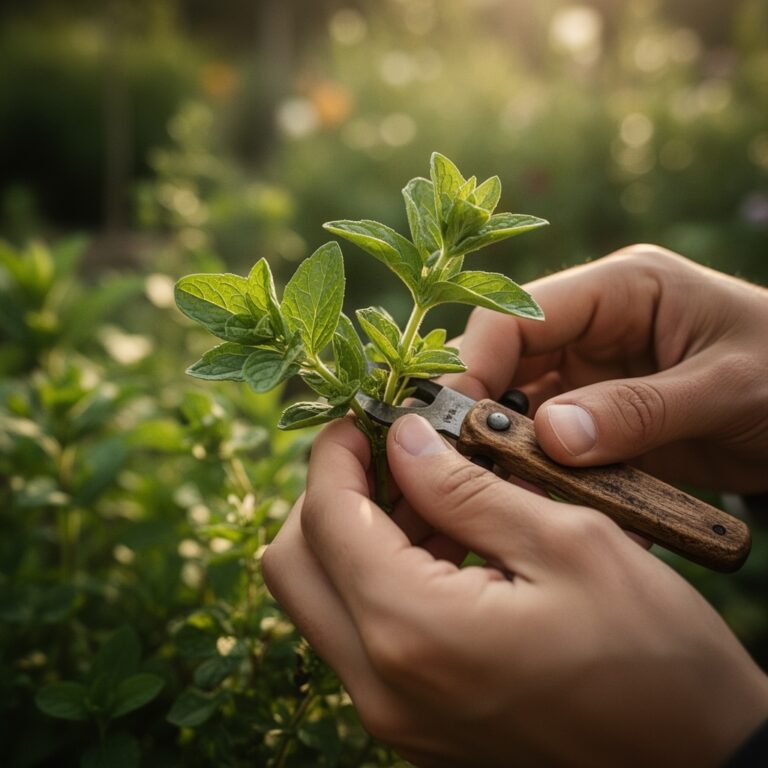
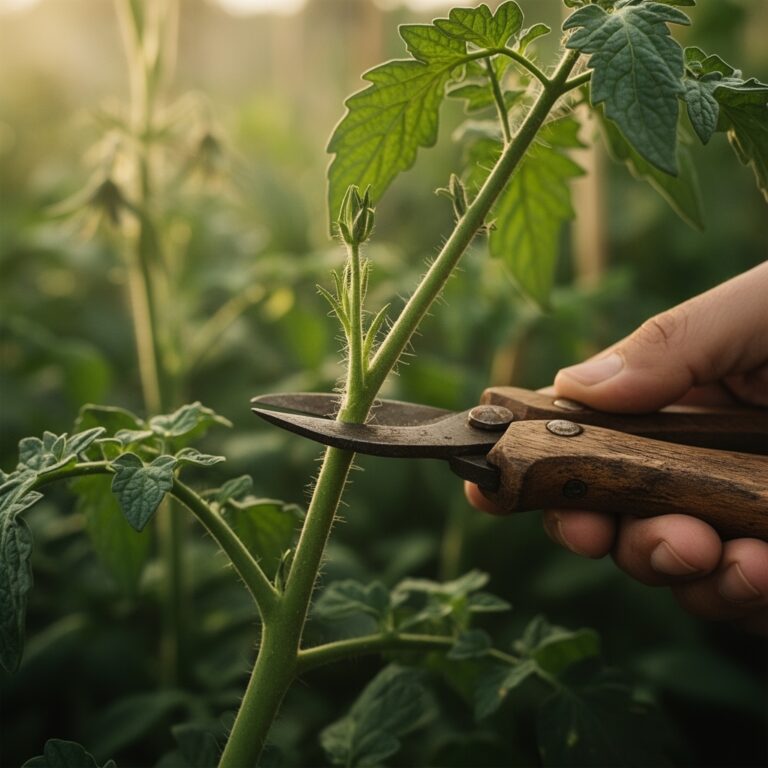
Pro-Tip: Prune container-bound roots at 45-degree angles with sterile shears before transplanting. Angled cuts stimulate auxin distribution and trigger aggressive root branching within 10 days.
Establishing: For the first 30 days post-transplant, deliver 2-3 gallons per plant every 3 days. Water should penetrate 8-10 inches deep, measured by inserting a wooden dowel into the soil. The wet zone should extend 6 inches beyond the canopy drip line to pull roots outward.
Pro-Tip: Apply a 3-inch layer of shredded hardwood mulch around established plants, keeping material 2 inches away from stems. Mulch reduces evaporation by 70% and moderates soil temperature fluctuations that stress fine root hairs.
Troubleshooting
Symptom: Leaf margins turn brown and crispy while central veins remain green.
Solution: Salt accumulation from over-fertilization or hard water. Leach soil with 3x the container volume of distilled water. Switch to rainwater or install a reverse osmosis filter.
Symptom: Lower leaves yellow and drop while new growth appears normal.
Solution: Nitrogen deficiency exacerbated by excessive watering that leaches nitrates. Apply fish emulsion at half-strength (2-4-1 NPK ratio) and reduce watering frequency by 30%.
Symptom: Wilting occurs despite moist soil.
Solution: Root rot from Pythium or Phytophthora species. Remove plant, trim affected roots, repot in sterile medium with improved drainage. Drench with Bacillus subtilis biological fungicide.
Symptom: White crust forms on soil surface.
Solution: Mineral deposits from tap water with high calcium/magnesium content. Scrape off crust, top-dress with 0.5 inches of fresh compost, and switch to filtered water.
Maintenance
Established plants in the ground require 1 inch of water per week during the growing season. Measure by placing tuna cans throughout the garden during irrigation. When cans contain 1 inch, adequate water has been delivered.
Container plants need monitoring every 2 days. Insert a finger to the second knuckle. If dry at that depth, apply water until it drains from the bottom. Empty saucers within 30 minutes to prevent root asphyxiation.
Deep watering encourages roots to grow downward rather than laterally at the surface. Shallow, frequent watering creates weak root systems vulnerable to drought stress. One deep session per week outperforms three shallow ones.
Check soil pH every growing season. Water pH affects nutrient availability. Most vegetables and ornamentals prefer 6.0-7.0 pH range. Adjust with sulfur (to lower) or lime (to raise) based on soil test results.
FAQ
How often should I water newly planted trees?
Water twice weekly for the first month, applying 10 gallons per session for trees with a 2-inch trunk diameter. Gradually reduce to weekly watering through the first full year.
Can I water plants in full sun?
Yes, but morning hours are optimal. Midday watering wastes 30% to evaporation. Water droplets on foliage do not cause leaf burn, despite common myths.
What is the best water temperature for plants?
Room temperature water (65-72°F) prevents shock to root systems. Cold water below 50°F slows nutrient uptake by reducing root metabolic rates.
How do I know if I'm overwatering?
Yellowing leaves, soft stems, fungus gnats, and a sour smell from soil indicate excess moisture. Reduce frequency and improve drainage immediately.
Should I use softened water for plants?
No. Water softeners replace calcium with sodium, which accumulates to toxic levels in soil. Use unsoftened tap water or install a bypass line for outdoor faucets.