5 Quick Steps to Build Aquaponics
The smell of fresh basil rising from water rather than soil marks a shift in cultivation strategy. Aquaponics combines fish waste and plant growth into a nitrogen-cycling system that eliminates synthetic fertilizers. The steps to build aquaponics require understanding biological filtration, water chemistry, and structural engineering. A properly balanced system produces 1 pound of fish and 8 pounds of vegetables per square meter annually. The method dates to Aztec chinampas, but modern iterations use polyethylene tanks and expanded clay aggregate.
Materials
Fish Tank (100-500 gallons)
Select food-grade polyethylene or fiberglass. Avoid galvanized metal, which leaches zinc at pH levels above 7.0. A 250-gallon tank supports 25-30 tilapia at 0.5 pounds per gallon density ratio.
Grow Bed (4×8 feet minimum)
Food-grade IBC totes or marine plywood lined with pond liner work effectively. Depth should reach 12 inches to accommodate root systems of fruiting plants like tomatoes.
Growing Medium (50 liters per square meter)
Expanded clay aggregate (hydroton) or volcanic rock provides surface area for nitrifying bacteria colonization. Cation exchange capacity should measure between 10-20 meq/100g. Avoid pea gravel, which has insufficient porosity.
Biological Filter Components
Plastic bio-balls or lava rock establish Nitrosomonas and Nitrobacter populations. Calculate 1 square foot of bio-filter surface per pound of fish feed daily.
Water Pump (400 GPH minimum)
Select submersible pumps rated for continuous duty. Flow rate should cycle total system volume once per hour.
Air Pump and Diffusers
Dissolved oxygen must stay above 5 ppm. Use 2-watt air pumps per 10 gallons with ceramic diffusers.
pH Test Kit and Buffer Solutions
Aquaponic systems require pH between 6.8-7.2. Stock potassium hydroxide for pH elevation and phosphoric acid for reduction.
NPK Supplementation
Fish waste provides nitrogen (approximately 5-2-1 ratio when converted through nitrification). Add chelated iron at 2 ppm monthly. Supplement potassium sulfate at 50 ppm when fruiting plants show marginal chlorosis.
Timing
Establish the bacterial colony 4-6 weeks before introducing fish. This cycling period occurs independently of hardiness zones since aquaponics operates year-round in climate-controlled environments.
For outdoor systems in zones 7-10, begin setup in March when ambient temperatures stabilize above 50°F. The nitrification process stalls below 55°F. Tilapia require water temperatures between 75-85°F. Install the system 30 days before the last frost date to allow bacterial establishment before stocking fish.
Indoor systems operate continuously but require 14-16 hours of full-spectrum lighting (5,000-7,000 lumens per square foot) for fruiting crops.
Phases
Cycling Phase (Weeks 1-6)
Add ammonia source to establish bacterial colonies. Pure ammonia hydroxide at 2-4 ppm concentration feeds Nitrosomonas bacteria. Test water daily. Nitrite levels will spike at week 2-3, then decline as Nitrobacter colonies establish. The cycle completes when ammonia and nitrite both measure 0 ppm and nitrate reaches 20-40 ppm.
Pro-Tip: Seed the bio-filter with gravel from an established aquarium to reduce cycling time by 40%.
Stocking Phase (Week 7)
Introduce fish at quarter density. For a 250-gallon system, begin with 6-8 fingerlings. Acclimate fish by floating transport bags for 15 minutes, then add 1 cup of system water every 5 minutes for 30 minutes.
Feed fish 1% of body weight daily, split into two feedings. Uneaten food should disappear within 5 minutes.
Pro-Tip: Choose fast-growing tilapia varieties like Nile or Blue tilapia that reach harvest weight (1.5 pounds) in 6-8 months.
Planting Phase (Week 8)
Transplant seedlings started in rockwool cubes into the grow bed. Space leafy greens at 6-inch centers, fruiting plants at 12-inch centers. The bacterial bed should show white biofilm coating media surfaces.
Root systems establish in 10-14 days. Lettuce reaches harvest size in 28 days, basil in 45 days, tomatoes in 90 days.
Pro-Tip: Apply mycorrhizal fungi to root zones at transplant. Glomus species increase phosphorus uptake by 200% in aquaponic systems where this element is limited.
Troubleshooting
Symptom: Interveinal chlorosis on new growth
Solution: Iron deficiency. Add chelated iron (Fe-DTPA) at 2 ppm. Verify pH stays below 7.2, as iron precipitates at higher alkalinity.
Symptom: Fish gasping at water surface
Solution: Dissolved oxygen below 4 ppm. Increase aeration with additional air stones. Reduce feeding by 50% until oxygen stabilizes.
Symptom: Slow plant growth with dark green leaves
Solution: Phosphorus deficiency. Add rock phosphate at 25 ppm or increase fish stocking density by 20%.
Symptom: White cottony growth on fish
Solution: Columnaris bacterial infection. Raise water temperature to 80°F. Add 1 tablespoon salt per gallon for 3 days.
Symptom: Nitrate levels above 150 ppm
Solution: Insufficient plant uptake. Add more grow bed space or perform 25% water changes weekly.
Maintenance
Test pH daily for the first month, then weekly. Adjust when readings fall outside 6.8-7.2 range.
Monitor ammonia and nitrite weekly. Any reading above 0.25 ppm indicates system imbalance.
Add 1-2 gallons of dechlorinated water daily to compensate for evaporation and plant transpiration.
Clean mechanical filters every 72 hours. Never clean biological filters, as this destroys bacterial colonies.
Harvest fish when they reach 1.25-1.5 pounds, typically at 6-8 month intervals. Replace with fingerlings at quarter density to maintain stable bioload.
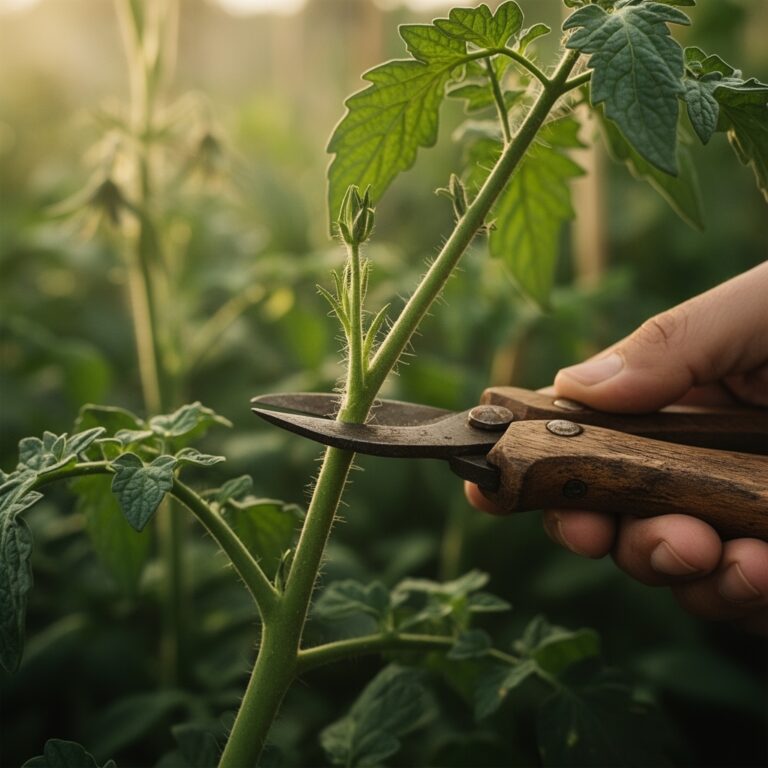
Prune fruiting plants to 2-3 main stems to direct auxin distribution toward fruit production rather than vegetative growth.
FAQ
How long before the system produces food?
Leafy greens harvest at 4 weeks post-transplant, occurring roughly 10 weeks after initial setup. Fish reach harvest weight at 6-8 months.
What fish species work best?
Tilapia tolerate variable water quality and thrive at high densities. Catfish and trout work in cooler climates. Koi serve ornamental systems but grow slowly.
Can the system operate without electricity?
No. Continuous water circulation and aeration require constant pump operation. Install battery backup systems for power outages exceeding 4 hours.
What vegetables grow poorly in aquaponics?
Root vegetables like carrots and potatoes struggle in media beds. Blueberries and acid-loving plants fail due to neutral pH requirements.
How often should I feed the fish?
Twice daily at 1% total body weight, divided into morning and evening feedings. Reduce to once daily when water temperature drops below 65°F.