7 Easy Ways How to Use Water Culture
Growing plants directly in nutrient-enriched water eliminates soil while maximizing oxygen delivery to roots. Water culture, also known as hydroponics, suspends plant roots in an aerated solution where minerals dissolve at precise concentrations. Learning how to use water culture transforms windowsills and basements into year-round production systems. The method reduces pest pressure, accelerates vegetative growth by 25-40% compared to traditional soil beds, and allows direct monitoring of pH and electrical conductivity. Roots hang in darkness while crown tissue remains above the waterline, preventing rot.
Materials
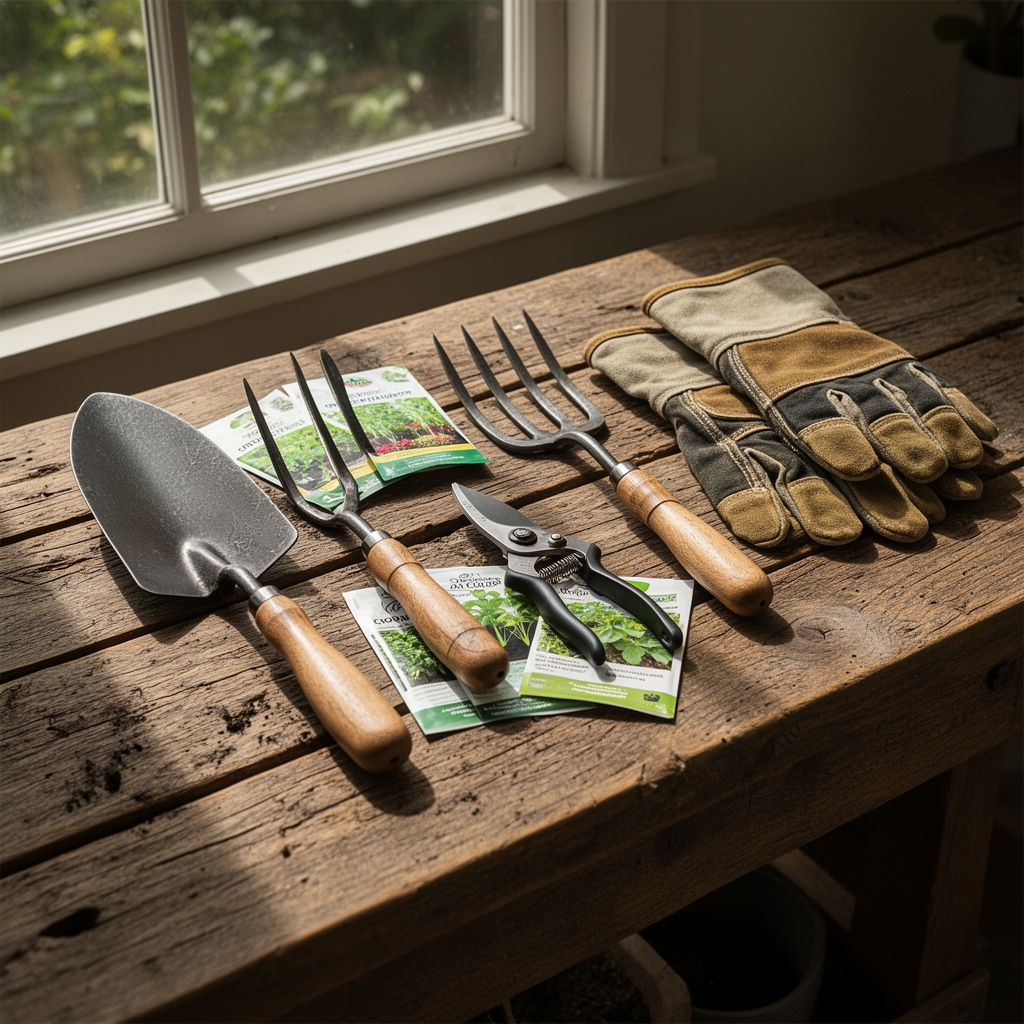
Select containers that block all light penetration to prevent algae colonization. Five-gallon opaque buckets with net-pot lids work for fruiting crops like tomatoes and peppers. Ensure each net pot measures 3-6 inches in diameter and holds enough clay pebbles or rockwool to stabilize the stem.
Nutrient solutions require a balanced NPK formulation. A 4-4-4 organic meal works for leafy greens during vegetative phases. Shift to 2-5-5 ratios when flowering crops enter reproductive stages to promote bud set over foliage. Calcium nitrate and magnesium sulfate address common deficiencies in water culture systems. Add chelated iron at 2-3 ppm to prevent interveinal chlorosis.
Air pumps delivering 0.5 liters per minute per gallon maintain dissolved oxygen above 6 ppm. Use airline tubing and air stones rated for continuous operation. pH adjustment kits with citric acid and potassium hydroxide keep solution between 5.5 and 6.5, optimizing nutrient availability. Digital TDS meters measure total dissolved solids, targeting 800-1400 ppm for most vegetables.
Beneficial bacteria inoculants containing Bacillus subtilis and mycorrhizal fungi colonize root surfaces, outcompeting pathogens. A 10 ml dose per five gallons inoculates the system during initial setup.
Timing
Water culture operates independently of soil temperature, allowing seed starts eight weeks before the last frost date in Zones 3-5. Gardeners in Zones 8-10 run systems year-round, cycling crops every 60-90 days depending on species.
Transplant seedlings into net pots when the first true leaves develop, typically 10-14 days post-germination. Roots must reach 2-3 inches in length to contact the water surface. Late spring transitions from indoor water culture to outdoor soil beds align with soil temperatures reaching 60°F at a 4-inch depth.
Autumn crops begin in water culture during late July in northern zones, maturing indoors as daylight drops below 10 hours. Artificial grow lights extending photoperiods to 14-16 hours sustain fruiting crops through winter.
Phases
Sowing
Germinate seeds in rockwool cubes pre-soaked in pH 5.5 water for 30 minutes. Place two seeds per cube and position under fluorescent lights 4 inches above the surface. Maintain ambient temperature at 72-76°F. Remove the weaker seedling once cotyledons expand fully.
Pro-Tip: Coat seeds with Rhizobium inoculant before planting legumes like beans and peas to boost nitrogen fixation even in water culture systems.
Transplanting
Transfer rockwool cubes into net pots filled with expanded clay pebbles when seedlings reach 3-4 inches tall. Lower the water level so only the bottom half-inch of the cube contacts the solution. Roots will grow downward into the reservoir over 3-5 days. Avoid submerging the stem, which invites damping-off fungi.
Monitor root color daily. White or cream roots indicate healthy oxygen levels. Brown or slimy roots signal low dissolved oxygen or bacterial infection.
Pro-Tip: Apply beneficial nematodes like Steinernema feltiae to the root zone at transplant to suppress fungus gnat larvae that enter through air pump tubing.
Establishing
Roots fully colonize the reservoir within 10-14 days. Increase nutrient concentration by 200 ppm per week until reaching species-specific targets. Lettuce thrives at 800-1000 ppm, while tomatoes demand 1200-1400 ppm during fruiting.
Prune lateral shoots at 45-degree angles to encourage auxin distribution toward dominant growth points. This concentrates energy into primary stems and terminal buds.
Pro-Tip: Foliar spray kelp extract at 1 tablespoon per gallon every 10 days to enhance cation exchange capacity within leaf tissue, improving micronutrient uptake.
Troubleshooting
Symptom: Yellowing lower leaves with green veins.
Solution: Magnesium deficiency. Add 1 teaspoon Epsom salt per gallon. Flush system and refill with adjusted solution.
Symptom: Rust-colored spots on leaf margins.
Solution: Potassium deficiency during bloom. Increase potassium sulfate to achieve a 1-3-2 NPK ratio. Reduce nitrogen concentration by 15%.
Symptom: Wilting despite full reservoir.
Solution: Root rot from insufficient aeration. Replace half the solution. Add 3 ml hydrogen peroxide per gallon to oxygenate. Double air pump output.
Symptom: Slimy biofilm on roots.
Solution: Pythium or bacterial infection. Remove affected plants. Sterilize buckets with 10% bleach solution. Restart with fresh water and beneficial bacteria.
Symptom: Stunted growth and thickened stems.
Solution: pH above 7.0 locks out phosphorus and iron. Adjust to 6.0 with citric acid. Flush and refill.
Maintenance
Change reservoir solution every 14 days to prevent salt accumulation and nutrient imbalances. Top off daily water loss with pH-adjusted water, not full-strength nutrients, to maintain stable TDS readings.
Clean air stones weekly by soaking in white vinegar for 20 minutes. Scrub bucket interiors monthly to remove mineral deposits. Inspect air pump diaphragms every 90 days and replace if output drops below manufacturer specifications.
Provide 1 inch of water depth above the net pot base at all times. Roots adapt to submerged conditions but crown exposure to standing water causes stem rot within 48 hours.
FAQ
How often should I check pH in water culture systems?
Test pH every three days during active growth. Adjust when readings drift outside the 5.5-6.5 range.
Can I reuse nutrient solution between crops?
No. Residual root exudates and depleted micronutrients create imbalances. Dispose of old solution and mix fresh batches for each planting.
What crops grow best in water culture?
Lettuce, basil, Swiss chard, and bok choy mature in 30-45 days. Tomatoes, cucumbers, and peppers require 70-90 days but yield heavily.
How do I prevent algae growth?
Block all light from entering the reservoir. Use opaque bucket lids and cover exposed solution surfaces with reflective materials.
Do plants grown in water culture taste different?
Flavor depends on nutrient ratios and light exposure, not the growing medium. Match NPK profiles to soil-grown benchmarks for comparable results.