8 Simple Ways How to Use Aeroponic Mist
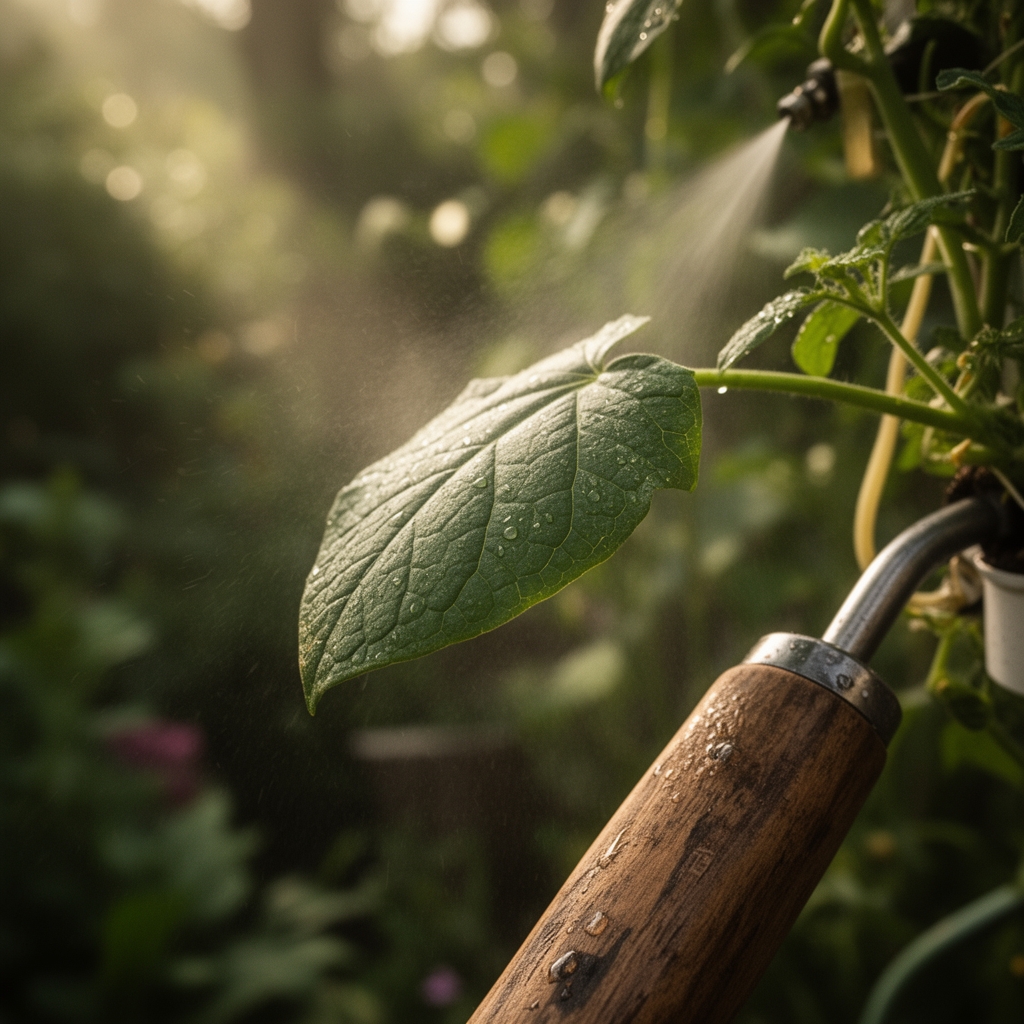
The first time you see suspended roots drinking directly from atomized nutrient droplets, you witness a fundamental shift in cultivation. Learning how to use aeroponic mist correctly eliminates soil-borne pathogens, accelerates growth rates by 30-50%, and transforms how plants access oxygen and minerals. The mist itself is a precisely calibrated fog of 5-50 micron water particles carrying dissolved nutrients directly to root hairs. This method originated from NASA research in the 1990s and now serves commercial growers and hobbyists seeking maximum yields from minimal space.
Materials
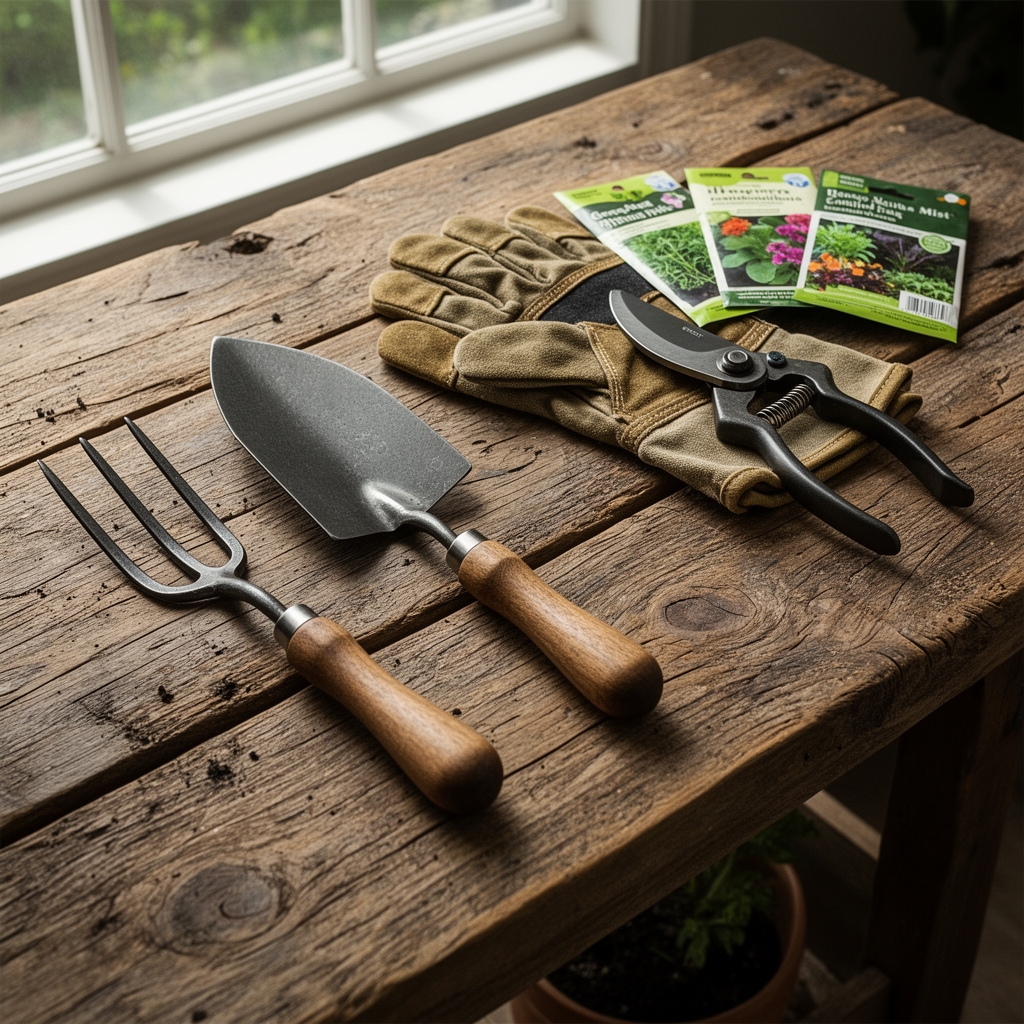
The foundation of how to use aeroponic mist starts with proper equipment selection. You need a high-pressure pump capable of 80-120 PSI, stainless steel mist nozzles with 5-50 micron output, and food-grade PVC or polypropylene chambers. The nutrient solution should maintain pH 5.5-6.5 for most crops. For leafy greens and herbs, use a balanced 4-4-4 organic meal diluted to 800-1200 PPM. Fruiting plants like tomatoes and peppers demand higher phosphorus ratios during bloom cycles, shifting to 3-6-4 at 1400-1800 PPM. Include calcium nitrate and magnesium sulfate as separate additives because cation exchange capacity is negligible without soil colloids. Install a cycle timer calibrated for 5 seconds on, 3-5 minutes off during vegetative growth. Add chelated iron, manganese, and zinc micronutrients at manufacturer specifications.
Temperature sensors and pH controllers are non-negotiable. The reservoir requires a 1/4 HP chiller to maintain 65-68°F, preventing pythium and root rot. Use reverse osmosis or distilled water as your base because dissolved solids above 50 PPM introduce unpredictable variables. Add 3% hydrogen peroxide at 0.5ml per gallon weekly to suppress anaerobic bacteria.
Timing
Understanding when to use aeroponic mist depends on hardiness zones and crop selection. In zones 3-6, start warm-season crops like basil and tomatoes indoors 6-8 weeks before the last frost date, typically mid-March through April. Cool-season crops such as lettuce and spinach thrive in aeroponic systems year-round when kept between 60-70°F. Zones 7-9 allow outdoor aeroponic setups from March through November, though summer heat above 85°F requires shade cloth and increased misting frequency.
Photoperiod matters. Seedlings need 16-18 hours of light at 200-400 PPFD. Mature vegetative plants require 14-16 hours at 400-600 PPFD. Flowering crops demand 12 hours of light at 600-1000 PPFD with full-spectrum LEDs positioned 12-18 inches from canopy.
Phases

Sowing Phase
Start seeds in 1-inch rockwool cubes or neoprene collars. Presoak cubes in pH 5.5 water for 30 minutes. Place seeds 1/4 inch deep and maintain 70-75°F with a humidity dome. Mist every 4 hours with plain water for the first 48 hours. Once cotyledons emerge, introduce nutrients at 400 PPM. The mist cycle should run 3 seconds every 4 minutes. Root emergence occurs within 5-7 days for fast germinators.
Pro-Tip: Inoculate rockwool cubes with Trichoderma harzianum spores at 10^6 CFU per cube. This beneficial fungus colonizes the root zone and suppresses pythium while enhancing nutrient uptake.
Transplanting Phase
Transfer seedlings when true leaves appear and roots extend 2 inches beyond the cube. Insert the collar into net pots suspended in chamber holes. Increase mist to 5 seconds every 3 minutes. Raise PPM to 800 for greens, 1000 for fruiting plants. Roots should show white fuzzy growth within 72 hours. Auxin distribution naturally shifts toward root development in the absence of gravitropic soil resistance, creating denser feeder root networks.
Pro-Tip: Trim root tips at a 45-degree angle if they exceed 24 inches. This pruning stimulates lateral root branching and prevents tangling in multi-plant systems.
Establishing Phase
Mature plants enter peak production after 3-4 weeks. Mist intervals can extend to 5 seconds every 5 minutes as root mass increases. Monitor electrical conductivity daily because plant uptake reduces PPM by 100-200 every 48 hours. Replace the entire reservoir weekly to prevent salt accumulation. Mycorrhizal fungi colonization remains minimal in aeroponics, so biweekly applications of liquid kelp extract provide growth hormones and trace elements.
Pro-Tip: Prune side shoots at 60-degree angles on indeterminate tomatoes to channel energy toward fruit production. Remove lower leaves once plants reach 18 inches to improve air circulation.
Troubleshooting
Symptom: Yellow lower leaves with green veins. Solution: Classic nitrogen deficiency. Increase base nutrients by 200 PPM and verify pH remains below 6.5.
Symptom: Brown crispy leaf edges. Solution: Potassium lockout from excessive calcium. Reduce calcium nitrate by 25% and add potassium sulfate at 50 PPM.
Symptom: Slimy brown roots with foul odor. Solution: Pythium root rot. Drop reservoir temperature to 62°F, increase hydrogen peroxide to 1ml per gallon, and reduce mist frequency by 30 seconds per cycle.
Symptom: Stunted growth with purple stems. Solution: Phosphorus deficiency. Shift to bloom formula (3-6-4) even during vegetative growth or add bone meal tea at 100 PPM.
Symptom: White powdery residue on roots. Solution: Mineral buildup from hard water. Switch to reverse osmosis water and flush roots with plain pH-balanced water for 15 minutes daily for three days.
Maintenance
Replace mist nozzles every 6 months as mineral deposits reduce atomization efficiency. Clean chambers with 10% bleach solution between crops. Flush feed lines weekly with citric acid solution at pH 4.0 to dissolve calcium deposits. Inspect pumps monthly for pressure consistency. Add 1 gallon of properly pH-adjusted nutrient solution per 10 plants daily to compensate for transpiration. Prune dead leaves immediately because decomposing organic matter harbors pathogens. Calibrate pH and EC meters every two weeks against reference solutions. Replace reservoir chillers every 3-4 years as compressor efficiency degrades.
FAQ
How often should aeroponic mist run?
Standard cycles are 5 seconds on, 3-5 minutes off. Increase frequency to 5 seconds every 2 minutes for cuttings or during heat above 80°F.
What PPM should I maintain?
Leafy greens thrive at 800-1200 PPM. Fruiting crops need 1400-1800 PPM during flowering.
Can I grow root vegetables aeroponically?
Yes, but only varieties like radishes and carrots. Potatoes and beets develop better structure in media-based systems.
Why are my roots turning brown?
Reservoir temperature exceeds 70°F or dissolved oxygen is insufficient. Add a second airstone and verify chiller function.
How long do aeroponic systems last?
Properly maintained systems operate 5-8 years. Pumps and nozzles require the most frequent replacement.