10 Basic Steps to Install Film Systems
The scent of moist polyethylene meeting warm soil marks the beginning of season extension. Installing protective film systems transforms raw ground into a controlled microclimate where soil temperatures rise 8-12°F above ambient and transplants establish roots three weeks earlier than open-field counterparts. These steps to install film systems require precision in measuring, tensioning, and anchoring, but the payoff appears in earlier harvests and extended production windows that can add 40-60 days to a growing season.
Materials
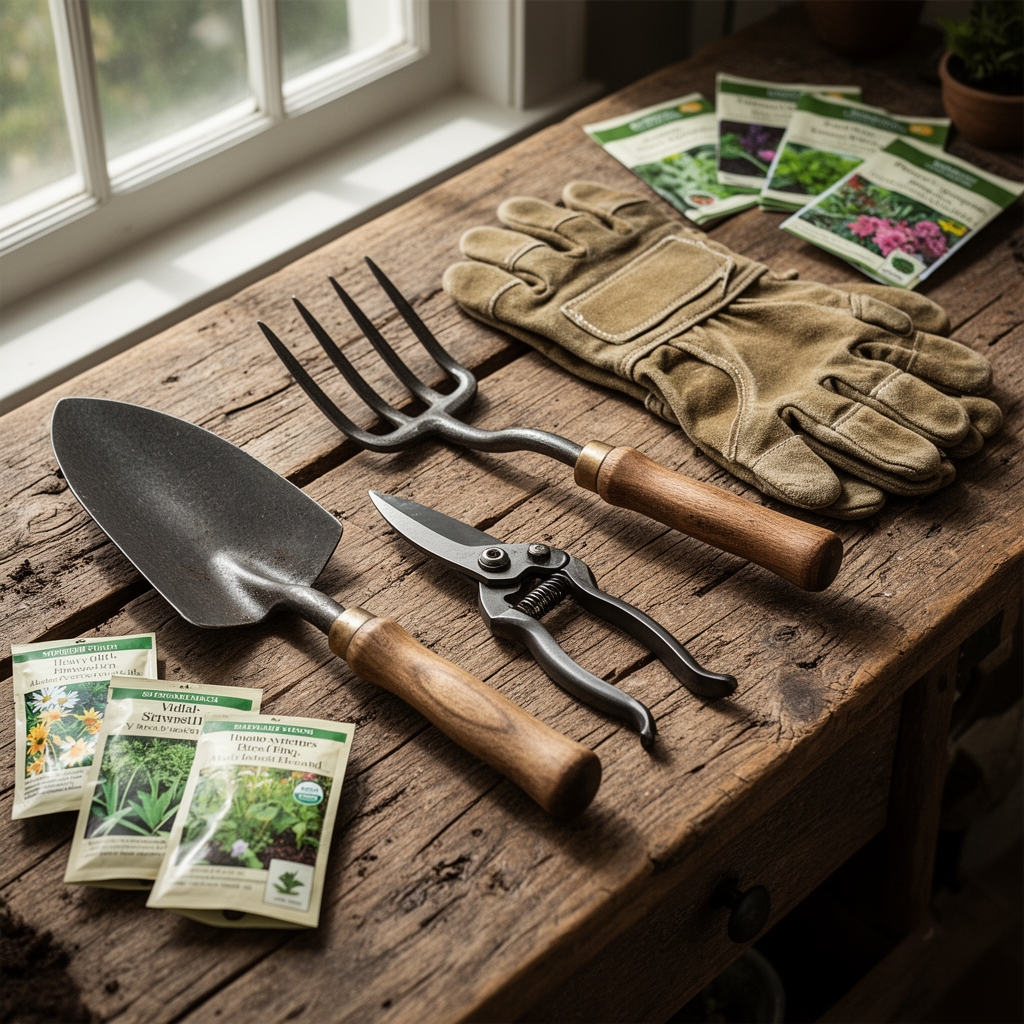
Gather clear or opaque polyethylene film rated at 4-6 mil thickness for durability through a full season. Purchase ground staples or sandbags every 4 feet for edge anchoring. Acquire drip irrigation tape with 8-inch emitter spacing to maintain soil moisture at 65-75% field capacity. Stock a balanced organic fertilizer at 4-4-4 NPK ratio to support early root development. The cation exchange capacity of your soil determines amendment needs; sandy soils below 10 meq/100g require additional compost at 2 cubic yards per 100 square feet. Prepare a soil test kit that measures pH between 6.0 and 7.0, the optimal range for nutrient availability under film. Include wire hoops or PVC arches spaced 3-4 feet apart for low tunnel support. Have a utility knife, measuring tape, and mallet on hand for cutting film and driving stakes.
Timing
Zone 5 gardeners should install film systems 3-4 weeks before the last average frost date, typically late March through mid-April. Zone 6 installations begin in early March when soil temperatures reach 40°F at 4-inch depth. Zone 7 and warmer regions can establish systems in mid-February for earliest spring crops. Autumn installations occur 8 weeks before the first frost date to protect cool-season crops through November and December. Soil must be workable and not waterlogged; film applied over saturated ground creates anaerobic conditions that inhibit root respiration and encourage pythium root rot. Morning installation prevents thermal expansion issues that arise when film heats during midday and loosens by evening.
Phases
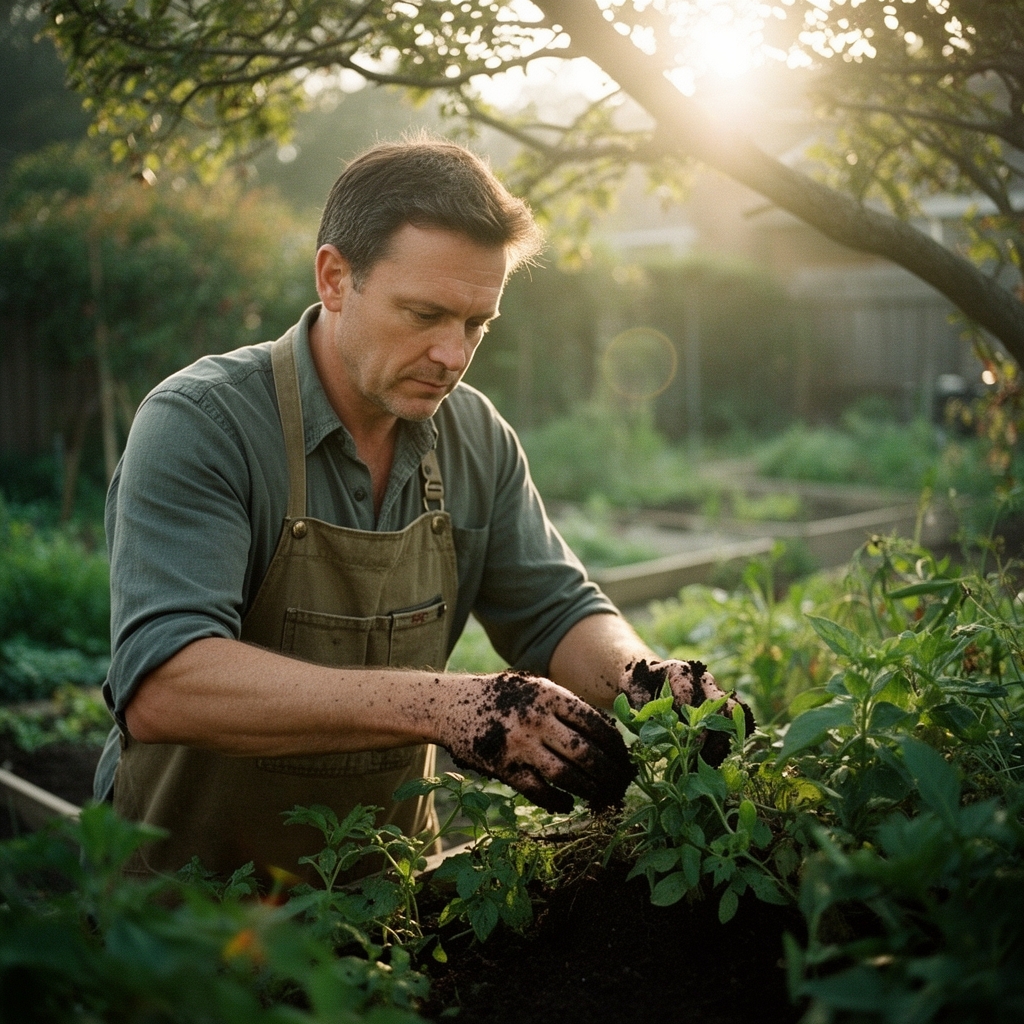
Sowing Phase: Prepare beds to 6-8 inches of loose tilth using a broadfork or rotary tiller. Incorporate mycorrhizal fungi inoculant at 1 teaspoon per transplant hole to enhance phosphorus uptake through hyphal networks. Direct-seed cold-tolerant crops like spinach, lettuce, and radishes at half the standard spacing to maximize film coverage efficiency. Water beds to field capacity before film application.
Pro-Tip: Apply kelp extract at 2 tablespoons per gallon during the sowing phase to boost auxin distribution and root initiation.
Transplanting Phase: Set transplants 2-3 inches deeper than their nursery depth to encourage adventitious root formation along buried stems. Space plants 12-15 inches apart in staggered rows for optimal air circulation under film. Firm soil around root balls to eliminate air pockets that dry roots. Install drip lines before laying film to avoid puncturing later.
Pro-Tip: Prune transplant foliage at a 45-degree angle above the third true leaf node to redirect energy into root establishment rather than top growth.
Establishing Phase: Stretch film taut over hoops or directly on soil for mulch applications. Anchor edges by burying 6 inches of film in a shallow trench or securing with ground staples every 4 feet. Monitor internal temperatures; vent when readings exceed 80°F by lifting film edges or cutting slit vents. Plants establish when new growth appears 7-10 days post-transplant.
Pro-Tip: Introduce beneficial nematodes (Steinernema feltiae) at 5 million per 1,000 square feet during establishment to control soil-dwelling larvae before populations explode.
Troubleshooting
Symptom: Leaf margins turn necrotic and brown within 5 days of installation.
Solution: Excessive heat caused tip burn. Install vent flaps every 10 feet or switch to perforated film with 5% open area.
Symptom: Stems elongate rapidly with pale, stretched internodes.
Solution: Etiolation from insufficient light. Replace opaque film with clear polyethylene that transmits 90% PAR.
Symptom: White powdery coating on leaf surfaces under film.
Solution: Powdery mildew thrives in stagnant, humid air. Increase ventilation and apply sulfur dust at 5 pounds per 1,000 square feet.
Symptom: Wilting despite adequate soil moisture.
Solution: Root aphids feeding on root hairs. Drench soil with insecticidal soap at 2% concentration, applying 1 cup per plant.
Symptom: Film tears within 3 weeks despite careful installation.
Solution: UV degradation or physical stress. Use UV-stabilized film rated for 4-year lifespan and reduce tension during installation.
Maintenance
Apply 1 inch of water weekly through drip irrigation, increasing to 1.5 inches during fruit set. Side-dress with fish emulsion at 2 tablespoons per gallon every 14 days to maintain nitrogen availability. Remove condensation by venting for 2 hours mid-morning when temperatures exceed 70°F. Inspect film weekly for tears; patch immediately with polyethylene repair tape to prevent heat loss. Remove film when nighttime lows remain above 50°F to prevent heat stress.
FAQ
How long does polyethylene film last?
Standard 4-mil film lasts one season. UV-stabilized 6-mil film withstands 3-4 years of continuous use.
Can I reuse film the following year?
Yes, if stored dry and folded without creases. Clean soil and debris before storage to prevent degradation.
What crops benefit most from film systems?
Warm-season crops like tomatoes, peppers, and cucumbers, plus early spring greens including lettuce and chard.
Do I need ventilation in cool weather?
Yes. Even at 50°F ambient, solar gain raises internal temperatures to 70-75°F, requiring brief venting.
How do film systems compare to glass cloches?
Film costs 80% less and covers larger areas but offers less insulation than double-walled glass structures.