7 Easy Ways How to Prune Tomato Suckers
The smell of crushed tomato foliage clings to your fingertips. It is resinous and sharp, a mix of alkaloids and terpenes that marks every grower who knows how to prune tomato suckers. These small shoots emerge from the axil where a leaf meets the main stem, and left unchecked, they divert auxin distribution away from fruit production. Learning how to prune tomato suckers transforms sprawling plants into focused producers. The technique channels photosynthate directly to ripening clusters rather than excess vegetative growth.
Materials
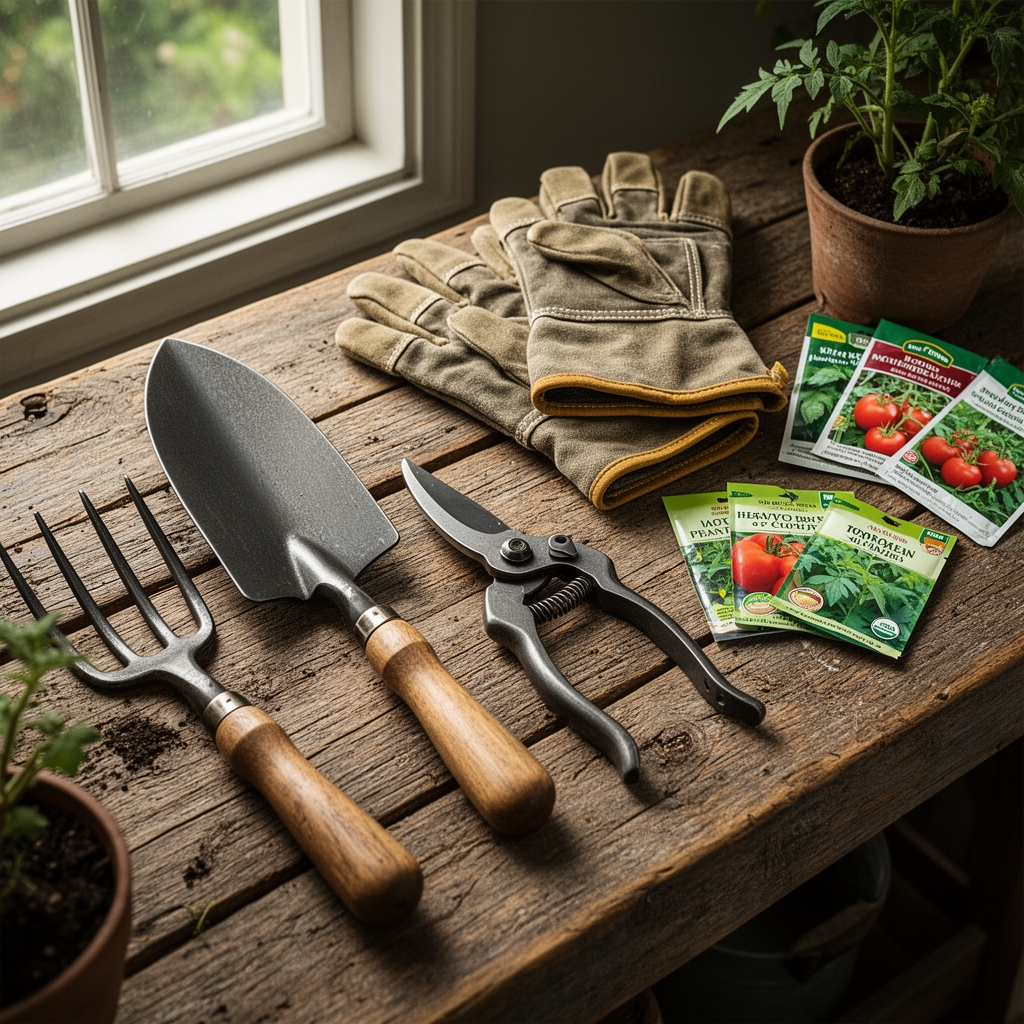
Precision begins with the right tools and amendments. Use bypass pruners with stainless steel blades for cuts larger than 1/4 inch. Alcohol wipes (70% isopropyl) sterilize between plants and prevent bacterial speck transmission. Nitrile gloves protect hands from alkaloid resins and reduce pathogen spread.
Soil preparation dictates long-term vigor. Apply a 4-4-4 organic fertilizer at transplant, derived from feather meal, bone meal, and kelp. This balanced NPK ratio supports both vegetative growth and fruiting without excess nitrogen that promotes sucker proliferation. Incorporate mycorrhizal fungi inoculant (Rhizophagus irregularis) at the root zone to enhance phosphorus uptake. The cation exchange capacity of your soil determines nutrient retention. Clay loams hold amendments longer than sandy substrates, which require supplemental feeding every 14 days.
Add dolomitic lime if soil pH falls below 6.2. Tomatoes (Solanum lycopersicum) thrive between 6.2 and 6.8 pH. A calcium source prevents blossom-end rot and strengthens cell walls against mechanical damage during pruning.
Timing
Hardiness zones and frost windows govern every step. In Zone 5, direct sowing indoors occurs 6 to 8 weeks before the last spring frost, typically mid-March. Zone 7 growers start in early March. Zone 9 benefits from both spring and fall crops, with fall transplants moving outdoors in August.
Transplant only after soil temperature reaches 60°F at 4 inches depth. Cold soil suppresses root development and delays fruiting. Night temperatures should remain above 50°F. Fluctuations below this threshold trigger blossom drop and irregular auxin signaling that increases sucker formation.
Begin pruning suckers when plants reach 12 inches in height, approximately 3 weeks post-transplant. Early removal is critical. Suckers smaller than 2 inches snap cleanly with finger pressure and heal within 24 hours. Delaying until suckers exceed 4 inches requires cutting tools and creates larger wounds vulnerable to Pseudomonas syringae.
Phases
Sowing
Sow seeds 1/4 inch deep in sterile seed-starting mix. Temperature matters. Maintain 75°F to 80°F for germination within 5 to 7 days. Cooler temperatures extend germination to 14 days and produce leggy seedlings.
Provide 14 to 16 hours of light using full-spectrum LEDs positioned 2 inches above cotyledons. Insufficient light creates weak stems that cannot support heavy fruit loads later. Water from below to prevent damping-off caused by Pythium species.
Pro-Tip: Apply a dilute seaweed extract (0-0-1 NPK) at the two-true-leaf stage. The cytokinins in kelp promote lateral root branching and improve transplant shock tolerance.

Transplanting
Harden off seedlings over 7 days by gradually increasing outdoor exposure. This process thickens cuticle layers and increases stomatal control. Dig holes 8 inches deep and bury stems up to the first true leaves. Adventitious roots develop along buried stem tissue, doubling root mass.
Space determinate varieties 24 inches apart. Indeterminate types require 36 inches to accommodate vertical growth and air circulation. Stake or cage plants at transplant to avoid root disturbance later.
Pro-Tip: Make a 45-degree angle cut when removing suckers thicker than 1/4 inch. Angled cuts shed water and reduce fungal colonization compared to flat cuts.
Establishing
Suckers appear within 10 days of transplant. Remove all suckers below the first flower cluster on indeterminate varieties. This concentrates energy into the main stem and one or two productive laterals. Some growers retain the sucker immediately below the first truss for a two-leader system, which doubles yield without sacrificing fruit size.
Inspect plants every 3 to 4 days. Suckers grow rapidly in warm, humid conditions. Prune in the morning after dew evaporates but before midday heat. This timing allows wounds to seal before nighttime humidity favors pathogen entry.
Pro-Tip: Leave a 1/4-inch stub when removing large suckers. Complete removal flush to the stem creates a larger wound. The stub desiccates and forms a natural barrier.
Troubleshooting
Symptom: Yellow lower leaves and stunted growth.
Solution: Nitrogen deficiency. Side-dress with blood meal (12-0-0) at 1/4 cup per plant. Reapply every 3 weeks until foliage greens.
Symptom: Wilting despite moist soil; brown vascular streaking in stems.
Solution: Fusarium wilt (Fusarium oxysporum f. sp. lycopersici). No cure exists. Remove infected plants immediately. Rotate crops and plant resistant varieties marked "F" on seed packets.
Symptom: Small, dark, water-soaked lesions on leaves.
Solution: Bacterial speck. Avoid overhead irrigation. Apply copper hydroxide (Kocide 3000) at 1.25 lb per 100 gallons at first symptom appearance.
Symptom: White, powdery coating on leaves.
Solution: Powdery mildew. Increase spacing to improve airflow. Spray with potassium bicarbonate (1 tablespoon per gallon) weekly.
Symptom: Large, hornworm caterpillars with white cocoons on their backs.
Solution: Tomato hornworms parasitized by Cotesia congregata. Leave parasitized worms. The wasps provide season-long biocontrol.
Maintenance
Water deeply once per week, delivering 1 to 1.5 inches. Drip irrigation or soaker hoses maintain consistent moisture and prevent foliar diseases. Mulch with 3 inches of straw to regulate soil temperature and suppress weeds.
Feed every 2 weeks with a 5-10-10 liquid fertilizer once fruiting begins. The elevated phosphorus and potassium support fruit development and disease resistance. Avoid high-nitrogen fertilizers after flowering; they stimulate excessive sucker growth and delay ripening.
Prune throughout the season. Remove suckers, yellowing lower leaves, and any growth below the first fruit cluster. This improves air circulation and redirects carbohydrate allocation to developing fruit.
FAQ
How often should I prune tomato suckers?
Inspect and prune every 3 to 4 days during active growth. Frequent, small removals heal faster than infrequent large cuts.
Can I root pruned suckers?
Yes. Suckers 4 to 6 inches long root in water within 7 days. Transplant rooted cuttings into 4-inch pots with standard potting mix.
Do determinate tomatoes need sucker pruning?
Minimal pruning only. Remove suckers below the first flower cluster. Determinate varieties set all fruit within a 2-week window and require foliage for photosynthate production.
What causes excessive sucker growth?
High nitrogen levels, particularly from fresh manure or urea-based fertilizers. Excess nitrogen stimulates vegetative growth at the expense of flowering.
Will pruning increase yield?
On indeterminate varieties, yes. Removing suckers increases fruit size by 15% to 20% and accelerates ripening by concentrating resources. Determinate varieties show minimal benefit.