10 Basic Steps to Top Pepper Plants
Pruning the terminal bud of a young pepper plant redirects auxin distribution and triggers lateral branching, producing stockier, higher-yielding specimens. This practice, called "topping," is one of the most effective steps to top pepper plants and transform a leggy seedling into a productive bush. Execute the cut at the correct internode, and you will double or triple fruit set by mid-season.
Materials
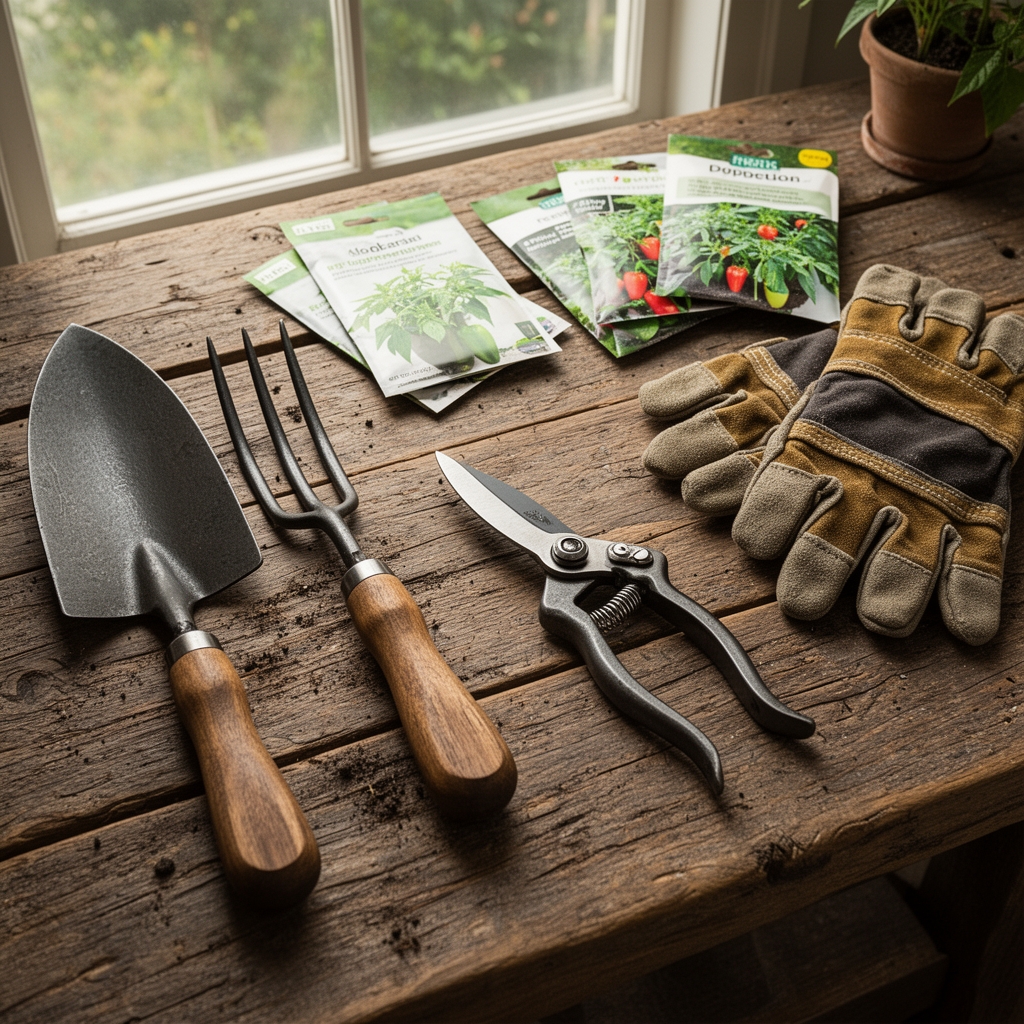
Prepare sterile bypass pruners or razor blades sanitized in 10% bleach solution. Use a 4-4-4 or 5-5-5 organic granular fertilizer with slow-release nitrogen to support vegetative recovery without promoting excessive foliage. Soil pH must remain between 6.0 and 6.8 for optimal calcium and magnesium uptake. Incorporate mycorrhizal fungi inoculant (Glomus intraradices or G. aggregatum) at transplant to enhance root surface area and phosphorus acquisition. A cation exchange capacity above 10 meq/100g ensures nutrient retention in sandy loams.
Timing
In USDA Hardiness Zones 7 through 11, begin indoor sowing 8 to 10 weeks before the last expected spring frost. For Zone 7, this window opens mid-February. Zones 9 and 10 can direct-sow by late March. Topping occurs when seedlings reach 6 to 8 inches in height and display at least four true leaves, typically 3 to 4 weeks after germination. Delay topping beyond the sixth leaf stage, and you sacrifice apical meristem control. Transplant outdoors only when nighttime soil temperatures stabilize above 60°F, measured at 4-inch depth for three consecutive nights.
Phases

Sowing
Sow seeds 1/4 inch deep in sterile seed-starting mix with a peat-perlite ratio of 3:1. Maintain substrate temperature at 80 to 85°F using a thermostat-controlled heat mat. Germination occurs in 7 to 14 days. Provide 14 to 16 hours of light at 200 to 400 foot-candles using T5 fluorescent or full-spectrum LED fixtures positioned 2 inches above cotyledons.
Pro-Tip: Pre-soak seeds for 8 hours in a 1% chamomile tea solution (10g dried flowers per liter) to reduce damping-off pathogens via natural antifungal compounds.
Transplanting
When the fourth true leaf emerges and the stem measures 6 to 8 inches, locate the growth point between the fourth and fifth nodes. Use a sterile blade to sever the main stem 1/8 inch above the node junction at a 45-degree angle. This cut disrupts apical dominance mediated by auxin, reallocating growth hormones to axillary buds below. Within 7 to 10 days, two to four lateral shoots will develop.
Pro-Tip: Apply a 200-ppm solution of kelp extract (ascophyllum nodosum) immediately post-topping to supply cytokinins that accelerate lateral bud break.
Establishing
Harden off topped seedlings over 7 days by incrementally increasing outdoor exposure. Begin with 1 hour of morning sun, adding 2 hours daily. Transplant into garden beds amended with 2 inches of aged compost and 1/2 cup of bone meal (0-10-0) per plant to support root establishment. Space plants 18 to 24 inches apart in rows 30 inches wide. Install drip irrigation emitters 6 inches from the stem base, calibrated to deliver 1 inch of water per week.
Pro-Tip: Mulch with 3 inches of straw or shredded hardwood bark to stabilize rhizosphere temperature between 70 and 75°F and suppress verticillium wilt spores.
Troubleshooting
Blossom End Rot
Symptom: Sunken, leathery black lesions on fruit bottoms.
Solution: Maintain consistent soil moisture and apply calcium chloride foliar spray at 0.5% concentration (5g per liter) every 10 days during fruit set. Test soil calcium levels; amend with gypsum (calcium sulfate) at 2 pounds per 100 square feet if below 1,000 ppm.
Aphid Colonization
Symptom: Curled leaves, sticky honeydew residue, and sooty mold growth.
Solution: Release Aphidius colemani parasitoid wasps at a rate of 0.5 per square foot. Spray insecticidal soap (potassium salts of fatty acids) at 2% concentration, ensuring undersides of leaves receive coverage.
Leaf Drop Post-Topping
Symptom: Sudden yellowing and abscission of lower leaves within 48 hours of topping.
Solution: Reduce nitrogen temporarily and increase potassium with 0-0-50 sulfate of potash at 1 tablespoon per plant. Ensure root-zone temperature exceeds 65°F; cold stress impairs nutrient uptake.
Early Blight (Alternaria)
Symptom: Concentric brown rings on older leaves with yellow halos.
Solution: Remove infected foliage and apply copper hydroxide fungicide at 1.5 pounds per 100 gallons every 7 days. Rotate spray with Bacillus subtilis biofungicide to limit copper accumulation in soil.
Maintenance
Apply 1 inch of water weekly via drip irrigation, measured with rain gauges placed at plant bases. Side-dress with 1/4 cup of 10-10-10 granular fertilizer per plant at first fruit set, then repeat every 3 weeks. Prune suckers below the first flower cluster to direct energy toward fruit production. Monitor electrical conductivity of soil solution; maintain between 1.5 and 2.5 mS/cm for optimal nutrient availability without salt stress.
FAQ
How many nodes should remain after topping?
Retain at least four nodes. This preserves sufficient leaf area for photosynthesis while allowing multiple lateral branches to develop.
Can I top pepper plants twice?
Yes. Perform a second topping on vigorous lateral shoots when they reach 6 inches, creating a bushier canopy and increasing fruit sites by 40%.
What is the earliest safe stage to top?
Top only after the fourth true leaf fully expands. Earlier cuts compromise root development due to insufficient carbohydrate reserves.
Does topping delay harvest?
Topping adds 7 to 10 days to maturity but increases total yield by 50 to 70%, measured in pounds per plant over the full season.
Which pepper varieties respond best?
Bell, jalapeno, and cayenne types exhibit strong lateral branching responses. Thin-walled ornamental varieties show minimal benefit and may experience stunted growth.